The Whistler in the Woods

“Dani’s lived her whole life in Salmon River First Nation. All the rez kids know there’s one rule to follow: never go into the woods at night—or the Whistler will get you. When Dani brings home an old arrowhead she finds in the woods, she accidentally invites the legend into her life in a terrifyingly real way. Soon, a crying ghost starts haunting Dani’s bedroom, and only her best friend Sam believes her. Dani has never used a spirit board before, but she and Sam are determined to talk to the ghost girl. Is she in danger? What does she want from Dani? Or are the answers hidden deep in the woods, where the Whistler waits after dark?” From Jodie Callaghan’s newest book, The Whistler in the Woods. 

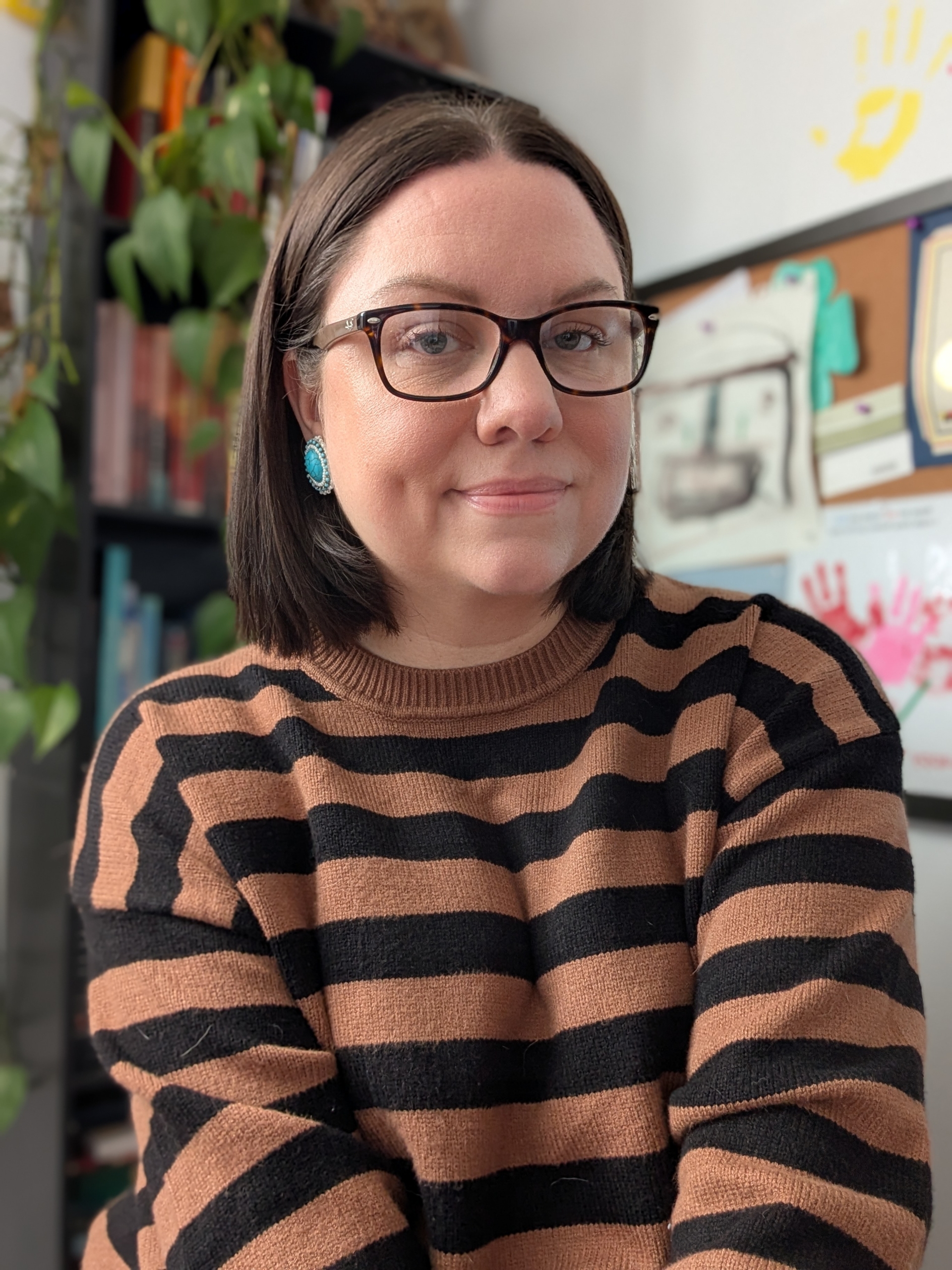
Jodie (Barnaby) Callaghan has always been a lover of horror novels and the supernatural. With a love for reading and writing, Callaghan began writing short stories when she was just eight years old. Along the way, she had several supportive mentors who uplifted her by helping her find her voice, encouraging her to read, and sharing her stories with the class. Since then, she has been nonstop learning, from being a student to a journalist, a teacher, and now a program developer at  Elawsimgewei Gina’muo’guom. 

While living in Scotland, Callaghan was inspired by haunted tours around the city. She viewed sites where some of her favorite authors had been inspired, hoping for a story to emerge. When a tour guide warned the group not to bring home any items from the site, out of fear of bringing a ghost home with them, everything clicked. This warning sparked instant ideas for Callaghan that she couldn’t get out of her head for years. It soon inspired what would become The Whistler in the Woods.  

When pitching the book, Callaghan thought of a Mi’kmaq-inspired Goosebumps, inspired by the books she read as a kid from R.L. Stine. Drawing from her lived experiences, Callaghan uses parts of Listuguj to set the scene of her book. “I think the characters, the two main girls, Dani and Sam, are really me and my friends when we were that age. Not exactly, but pieces of us. The grandmother character in the book is very heavily modeled after my grandmother, who had passed. I even gave her the same name as my grandmother as a tribute.” Explain Callaghan. “Of course, the community itself, Salmon River, that’s obviously what our river is known for. I felt when I was writing the book like I was picturing the characters here. I changed names of things and location names are changed. I moved some things around, but ultimately it is heavily inspired by our community. The people that I grew up with and the people that I know.” 

Callaghan is quickly becoming a prominent voice as an Indigenous author. Her previous children’s book, The Train, jump-started her love for writing books. Callaghan’s writing process takes on different forms, from thinking about the world within the book to the number of scares needed, to always taking notes of any ideas she has. “ I’m an outliner. And I think that I’ve had to teach myself how to write. To sit back and think about pace. It’s a horror novel, so you need to have scary scenes.  Where are they fitting in? We’ve had three chapters, no scares. We need to work a scare in.  And I think a lot of that came from teaching English for so many years.  And really dissecting literature and dissecting stories.” 

This won’t be the last we see from the town of Salmon River, as Callaghan confirmed a series is in the works. The Salmon River Shivers Series will continue to expand the town’s supernatural entities and lore. “I‘d like to explore the land in the books and deepen the lore of the area and find out why all this is happening. And why all of a sudden this is happening to the community.”  

You can now preorder a copy of The Whistler in the Woods from Second Story Press, Amazon, with the book’s official release on March 9th, 2027.  

By Ivy Grenier
 

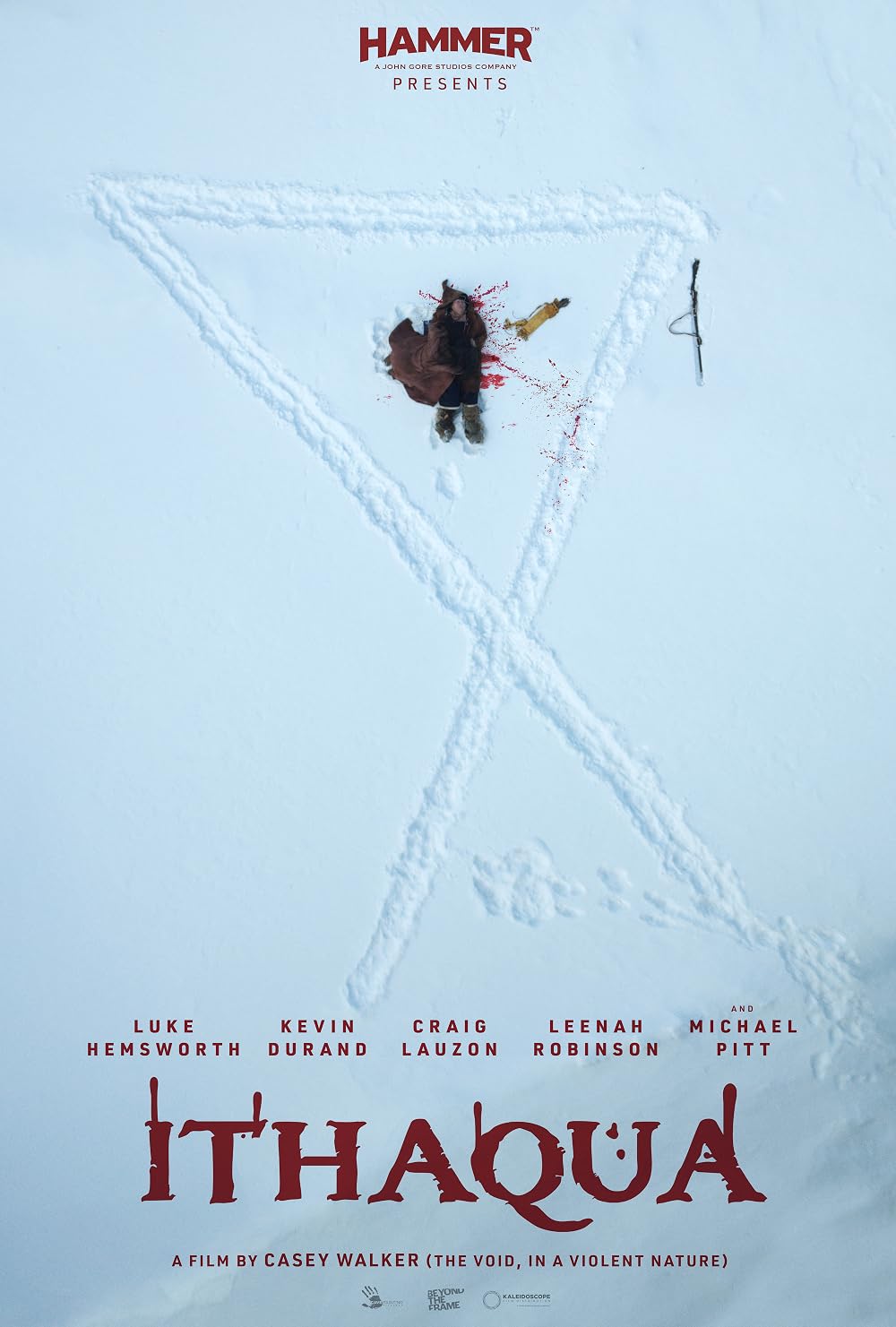
ITHAQUA: Peter Vicaire’s Decade-Long Journey

“ITHAQUA is a period horror movie. In 1821, during the decline of the fur trade, an American mercenary struggles to unite the frozen survivors of a famine-stricken outpost plagued by a dark force that leaves its victims with an insatiable hunger.” 

Peter Vicaire takes on the horror genre with the newest film, ITHAQUA. Taking on the roles of co-writer and producer on the latest film, first had its premiere at Fright Fest in London, England, in August. What started as a project in 2014, became an over ten-year-long journey to begin filming, has now been taken around the world. From France to Spain, to Vancouver, and on its way to Finland and the Bahamas, ITHAQUA has been well received globally, bringing thoughts of a future sequel.  

Vicaire shares how ITHAQUA came to be. 

“Pascal Trottier, my (sometimes) writing partner, and I had written a different period horror film called WARPATHS (1600s fur trappers hunted by giants of Iroquois mythology) but with a much larger budget in mind. We had sent that script to a producer in Toronto who liked it but thought the budget was too high. However, he knew Casey Walker, a director/producer out of Toronto, was looking for a writer to rewrite his wendigo script, so we connected that way and were brought on board the project. 

Casey’s story was based on the Ojibwe wendigo myth, a cannibalistic beast that dwells in the icy north. We Mi’gmaq have our own version of the wendigo called the Jenu. There have been several wendigo movies out there already, so for ITHAQUA we were looking for a fresh twist. We did this by incorporating the mythos of pulp-horror writer H.P. Lovecraft into the story, melding the two.”  

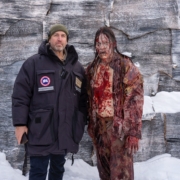
Vicaire spent the entire twenty-seven filming days on set in Thunder Bay, Ontario, in January of last year. Filming was predominantly done outside and at night, facing sometimes up to negative forty-five-degree temperatures. “Potentially dangerous? Yeah. Still super fun? Yeah. When you see the movie, you’ll see this isn’t some Hollywood CGI cold; it’s the real deal,” stated Vicaire.  

While taking on the producing role on set, Vicaire ensured that Indigenous voices were represented fairly, ensuring accuracy and respect for the culture. The film dialogue includes English, French, and Ojibwe; much care and effort was put into accurate pronunciations. “We had speakers record dialogue for the actors to reference and use. We also had big poster boards with phonetic spellings behind the camera while shooting incase they needed a little help remembering. We also sent the script to an Ojibwe academic professor to see if we were on the right track on how we presented his people.” Vicaire shows great care for not only the writing aspects but also Indigenous representation in the film.  

Vicaire has a large library of available scripts. “Other than the ITHAQUA sequel, I’m most excited about the last script I wrote, THE STUMP WITCH. It’s a Mi’gmaw horror film, based on our own skite’gmuj – spirit. It flips the script on the old “Indian burial ground” cliché because the burial ground is on the reserve and the people being haunted are Mi’gmaw. When a young Mi’gmaw woman moves from the city to her reserve for the first time, a vengeful spirit terrorizes her family when they can’t communicate in Mi’gmaw.” 

The distributor of the film currently determines where the film gets played. Vicaire hopes to bring it to North Shore Cinema in Campbellton for the community. “I just hope people have a good time, appreciate the build-up, tension, scares and the beautiful scenery we were able to capture. If it leads them to digging deeper into the wendigo (Jenu) creature myths and perhaps even the literature of the H.P. Lovecraft mythos, then even better!” 

By Ivy Grenier

DJ Pipnaqan

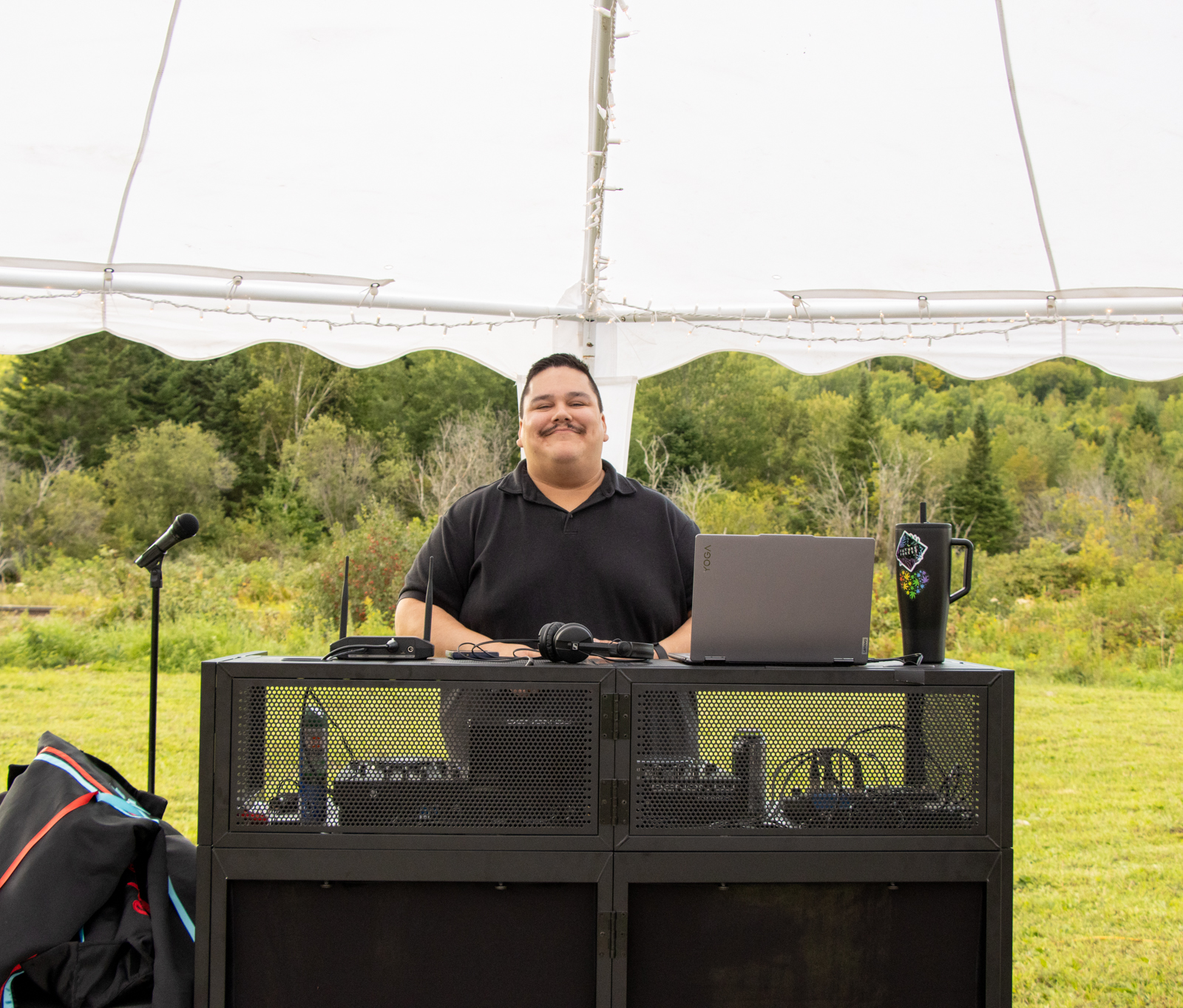
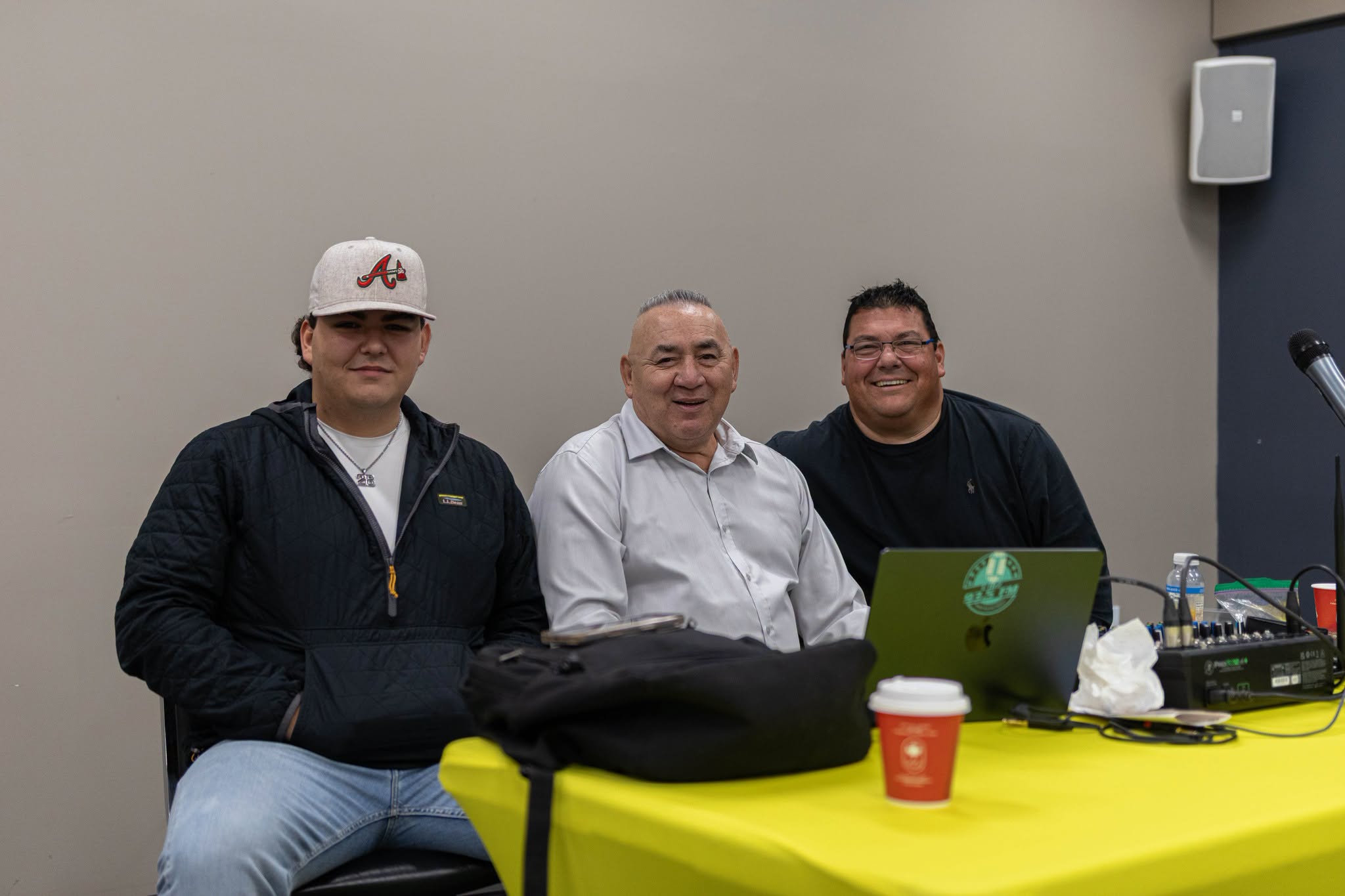
By day, Tyler Morrison is the Communications Coordinator for Mi’gmawei Mawio’mi Secretariat, but by night or on the weekends, you can catch him as DJ Pipnaqan at community events, weddings, and birthday parties. With a passion for music, tech, and community connection, Morrison has built a career reflecting creativity and engagement.  

Morrison pursued Digital Video Production at Durham College in Oshawa, Ontario. The program not only focused on video production, but also on audio engineering, photography, and small business management. “The skills translated directly into both professional and entrepreneurial environments,” he explains. “It wasn’t just learning how to create content. It was learning discipline, project management, and how to operate in a professional setting.” 

When COVID struck, and Morrison was stuck inside, he kept returning to his love for house music. Watching other creators stream their DJ sets from home, or watching playlist set compilations, became a highlight in a difficult time. Morrison had rented some equipment for his own wedding to play music and knew he wanted to continue. He quickly started building up his equipment and practicing. Morrison came up with the name “Pipnaqan” meaning bread in Mi’gmaq, the day of an event, going over ideas but never landing on one. Until his wife brought out fresh loaves of bread from the oven and he knew instantly. “I thought back in 2021 being inside all the time; there was no way for connecting at that time and juxtaposed to just this year. The last month or two, where you have social settings, you have people dancing together, laughing together, enjoying very special times.” 

Morrison draws musical inspiration from the people around him. He got his love of the classics from his parents, a new appreciation for country from his wife, and from tuning in to CHRQ’s Friday night country radio show. Morrison is always finding new sounds and music to incorporate into his work. When booked for an event, Morrison always takes the necessary steps to get to know what type of crowd will be attending. Attempting to mix modern hits with nostalgic throwbacks. For anniversaries or weddings, he will often draw from the time the couple met and builds mixes of that time while including their favorite songs. “I love seeing people have some of the best times of their lives. For some families, weddings are one of the few times everyone gathers together. If I can help make that night special, that’s enough for me.” In the moment, you can find Morrison gauging the crowd’s reaction to what he’s playing while queuing the next songs and seamlessly blending the two, strategically curating as the event flows. “It’s all about reading the room,” he says. “Music changes throughout the night, and your job is to evolve with the crowd.” 

If you need good music and great vibes for an event, you can contact “Pipnaqan” on Facebook to book.  

By Ivy Grenier 
 

Wela’lin

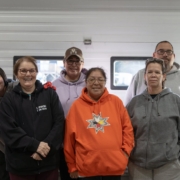
2026’s Fall Lobster Fisheries Distribution has officially come to an end! Thank you to the hard-working fishers who worked tirelessly to provide the community with this lobster.
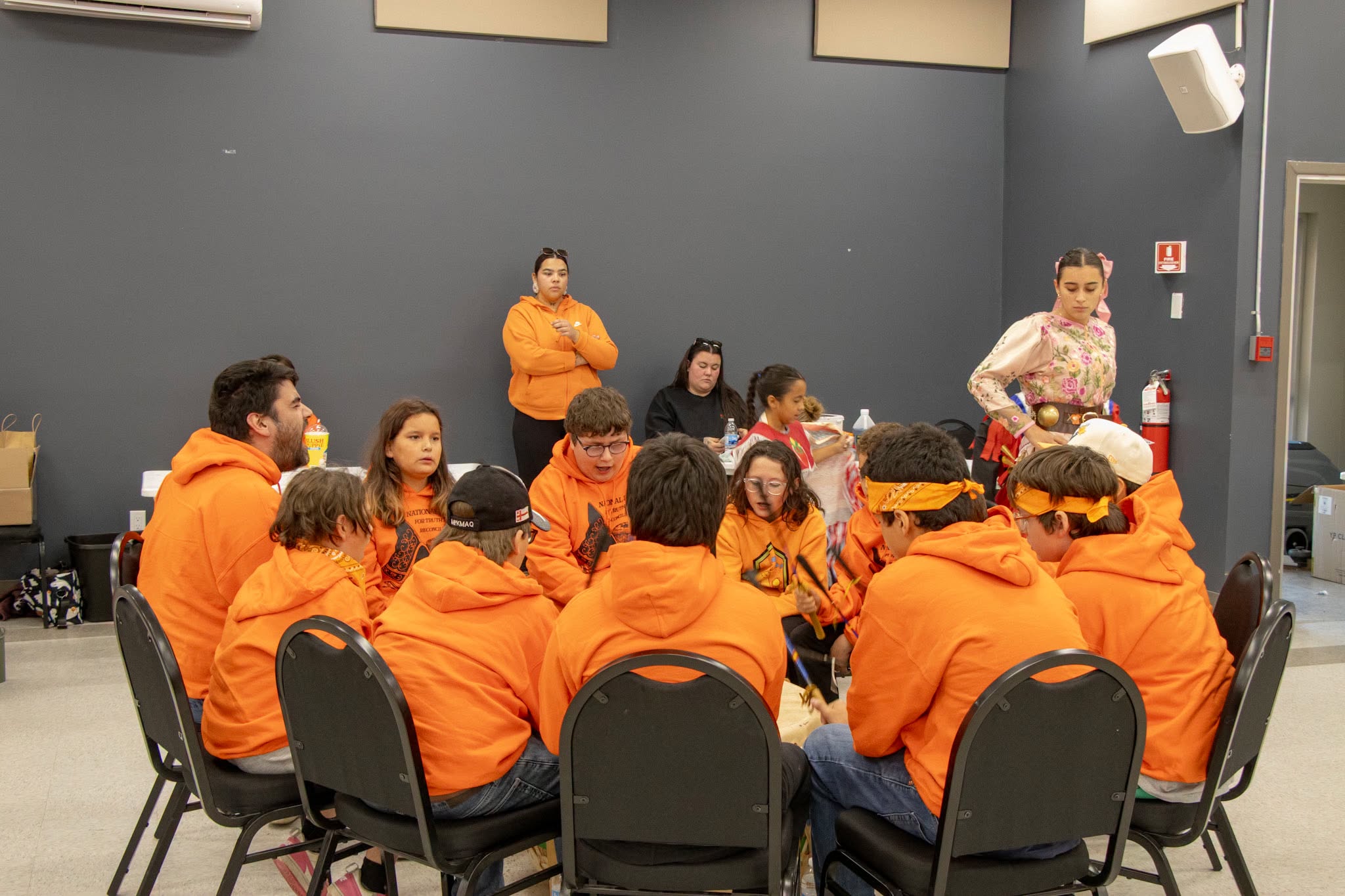
We’d also like to thank the dedicated Scientific Research Team at Natural Resources for distributing lobster to the community at the Natural Resources garage or delivering to Elders and those with disabilities.
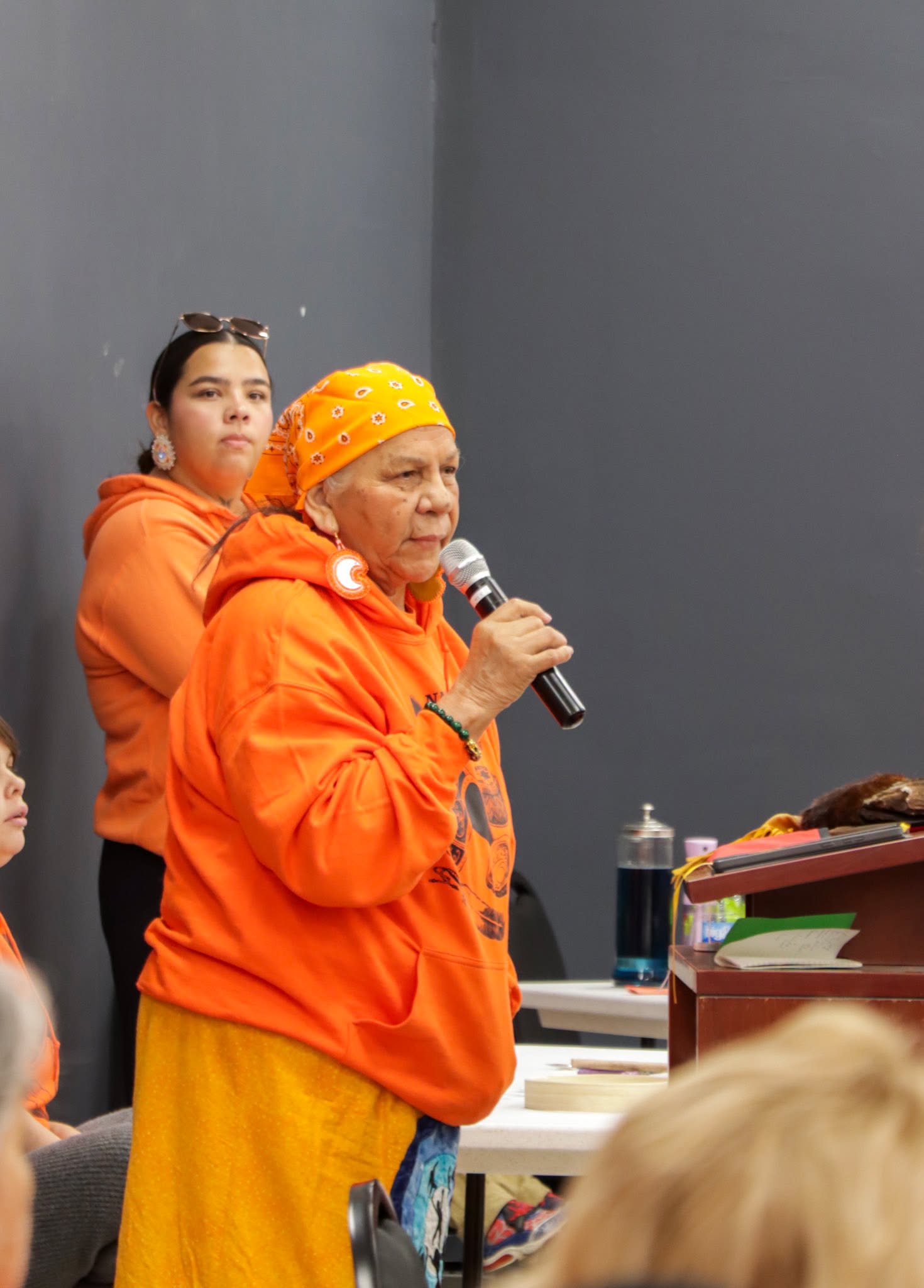
Scientific Research Team from Left to Right:
Kheya Isaac, Pam Isaac, Denise Barnaby, Sylvia Barnaby, Lisa Metallic and Dustin Barnaby.
Missing from Photo:
James Beardy, Chase Metallic, Christine Sorbey and Dora Barnaby.

Wela’lieg!

Wigmaq Centered Circle

You Don’t Have to Figure It All Out Alone 

Wigmaq Centered Circle – Support begins with a conversation 

Sometimes life feels overwhelming. You may be worried about someone you love, facing challenges at home, or unsure where to turn. Reaching out can feel difficult, especially when you don’t know what to expect. 

Wigmaq Centered Circle (WCC), within the Listuguj Community Social Services Directorate, offers a voluntary space to be heard, recognize your strengths, and explore a way forward with people you trust. 

Your voice guides the conversation. We work with you to identify your concerns, decide who you would like involved, and bring together supports to create a practical plan that reflects your needs and priorities. Your circle may include family, friends, Elders, Knowledge Keepers, or service providers with your involvement and consent. 

Whether you are navigating parenting, family relationships, mental health or substance use concerns, supporting a neurodivergent loved one, or caring for an adult or Elder, a circle can help you explore options and share responsibilities. 

You do not need an open youth protection file to reach out, and you do not have to wait until a concern becomes a crisis. You can simply start by asking questions. 

Through cultural workshops and community activities ( ex: Community Cook Book), WCC also creates opportunities to connect, share teachings, and strengthen the relationships that help us care for one another. 

Wondering whether WCC could help you or someone you care about?  Contact Lee Barnaby or Sherise Swasson at 418-788-3039 to learn more. 

You bring your story, your strengths, and your voice. Together we can explore and plan the next steps. 

By Wigmaq Centred Circle 

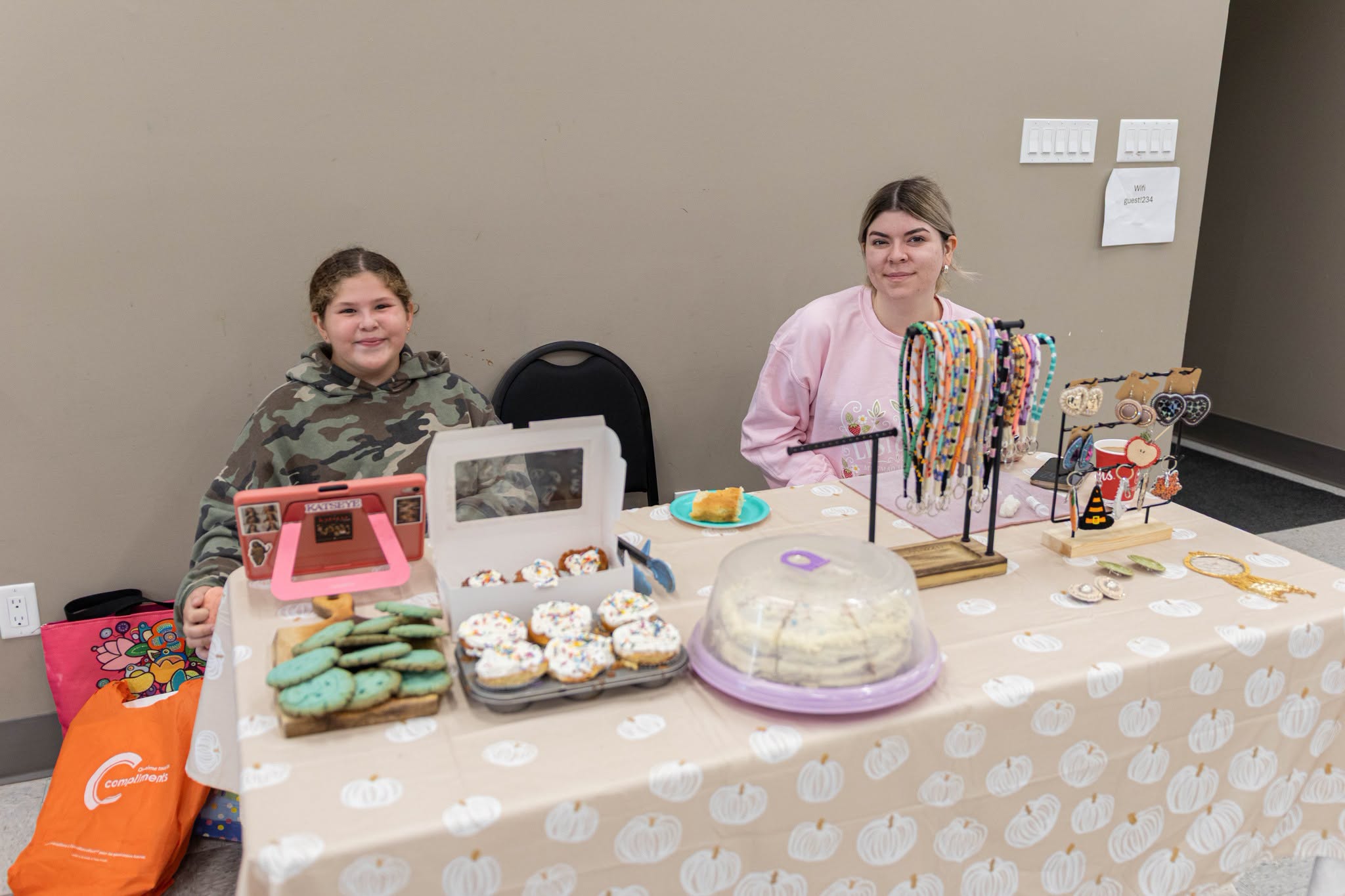
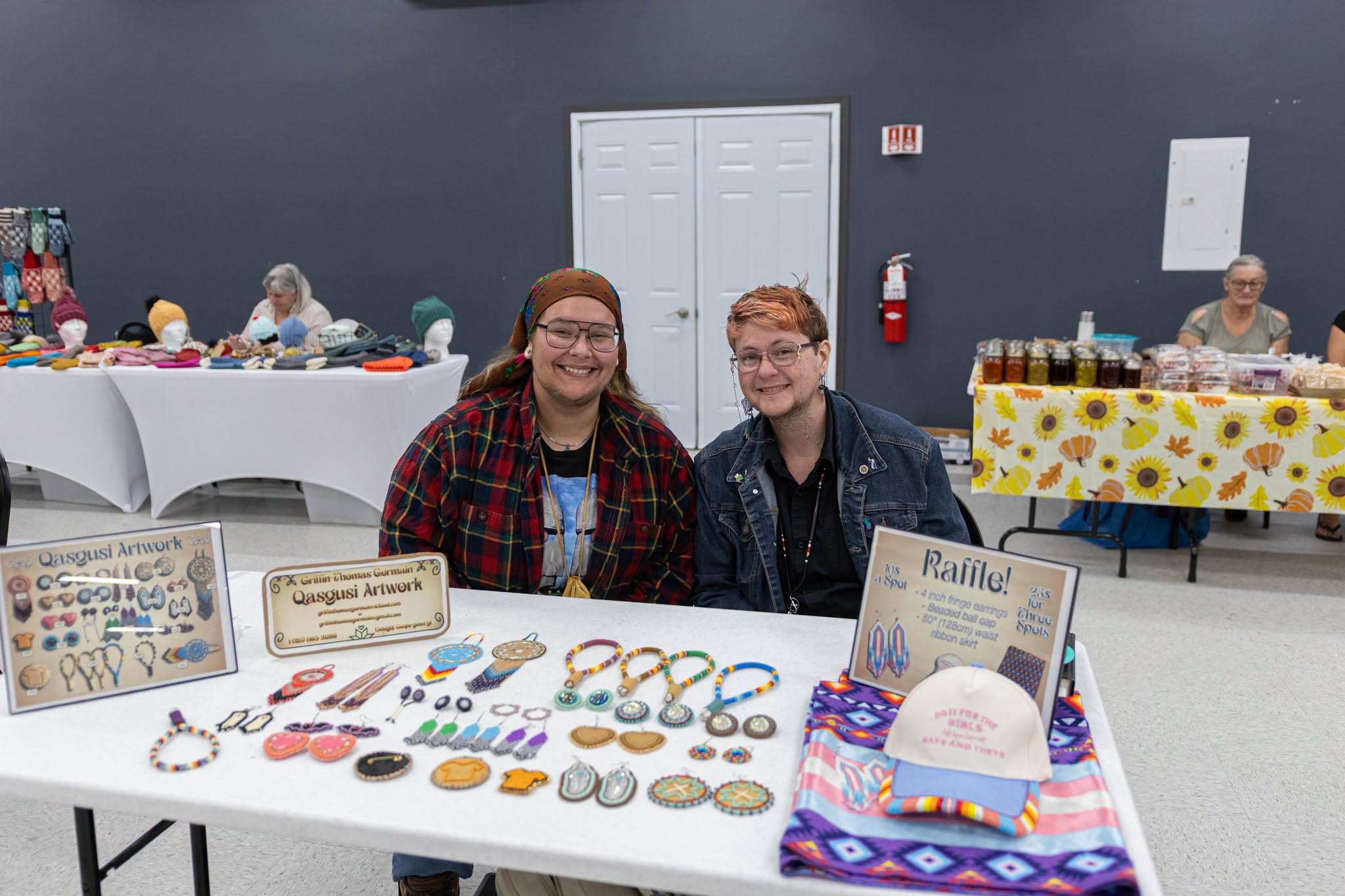
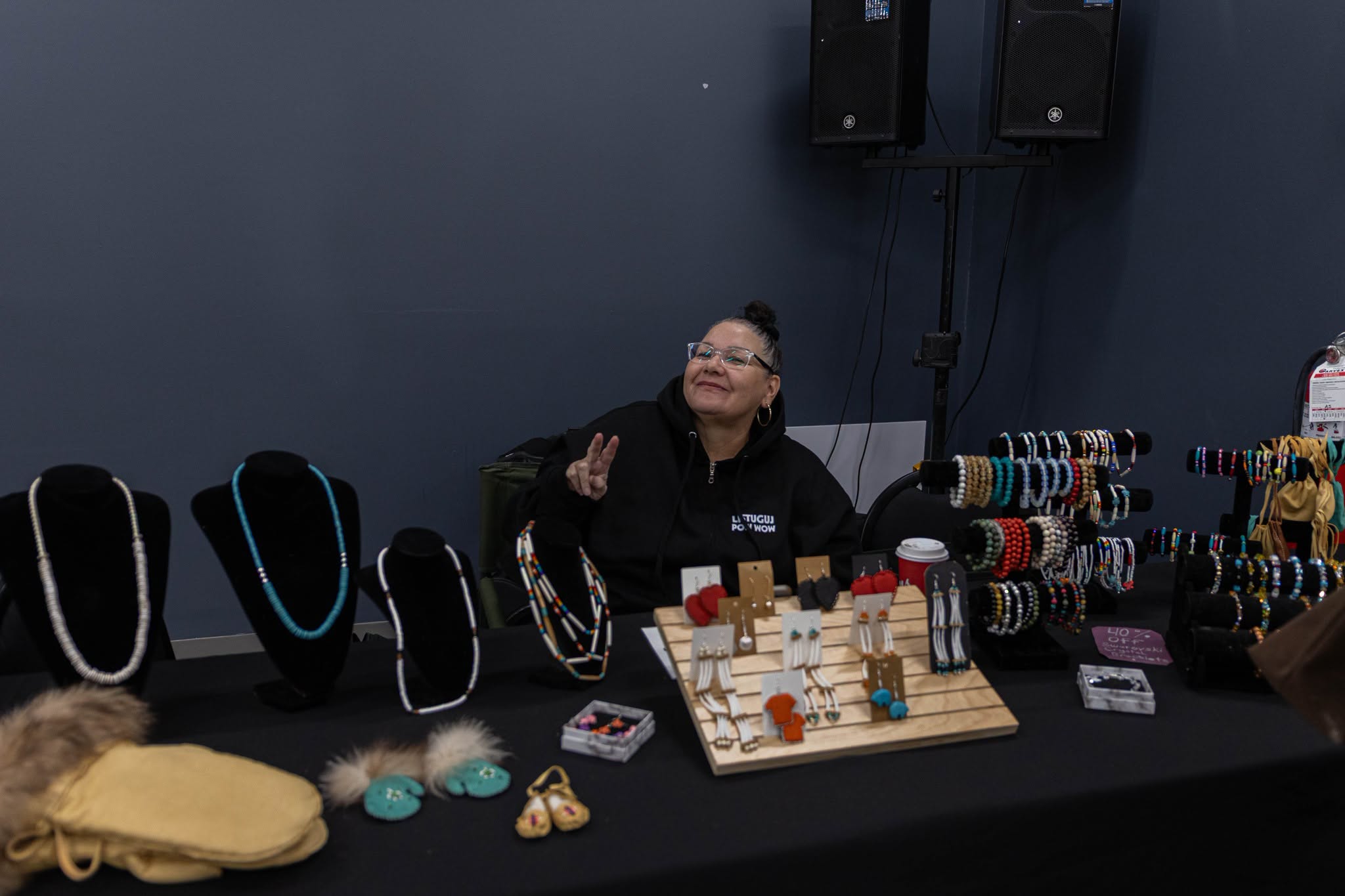
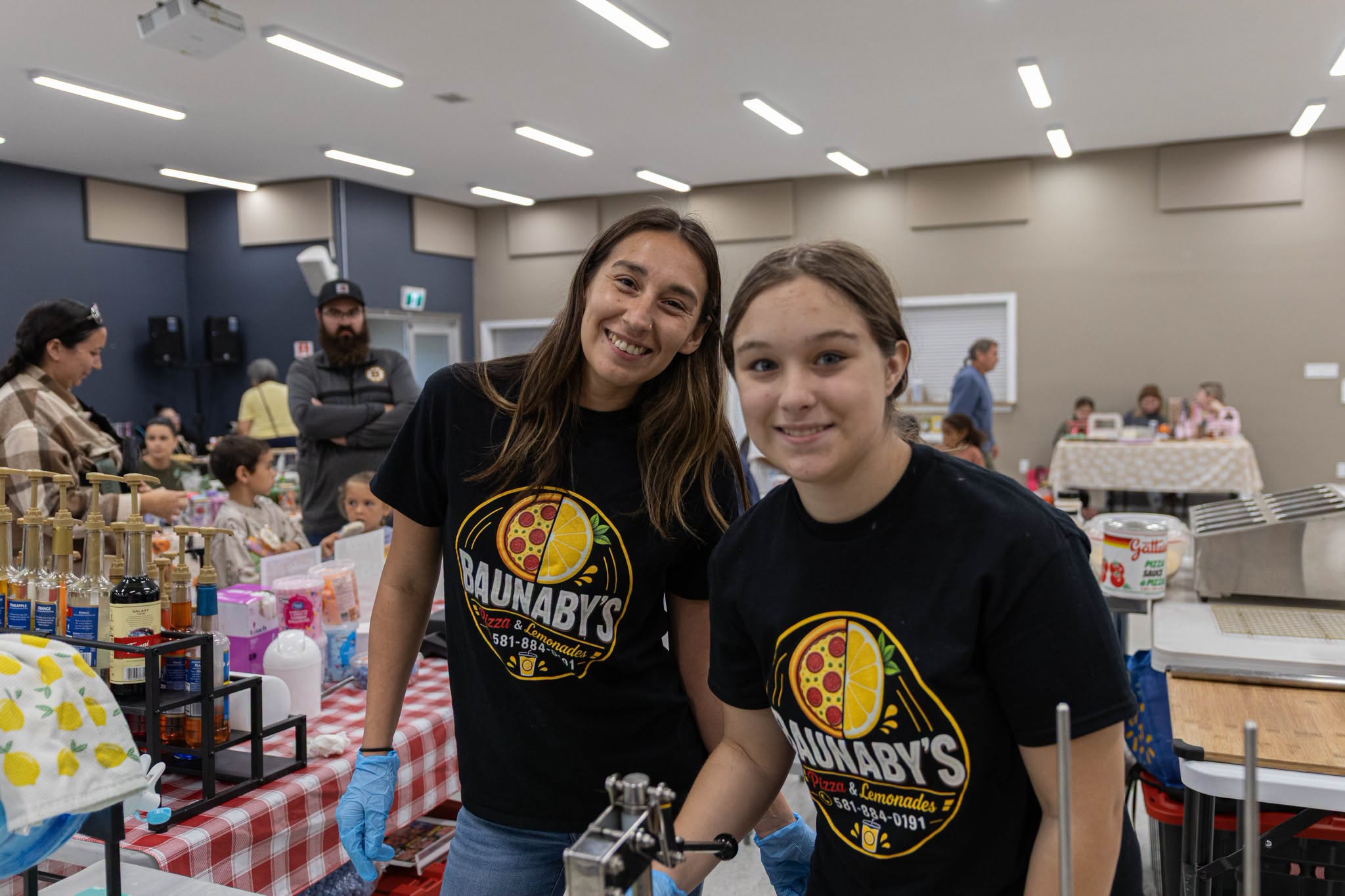
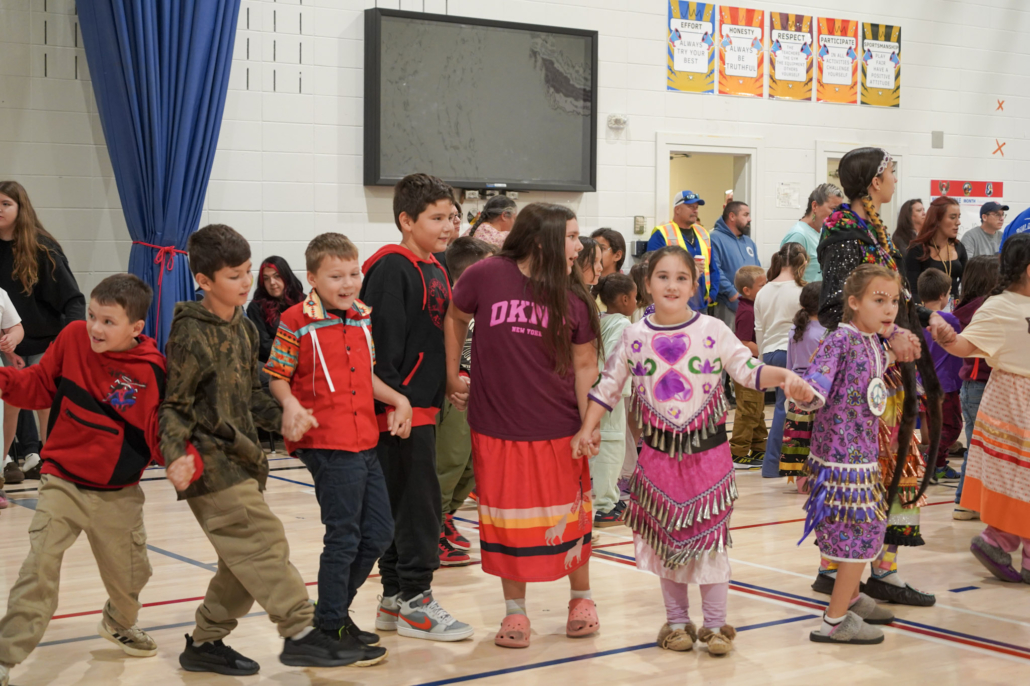
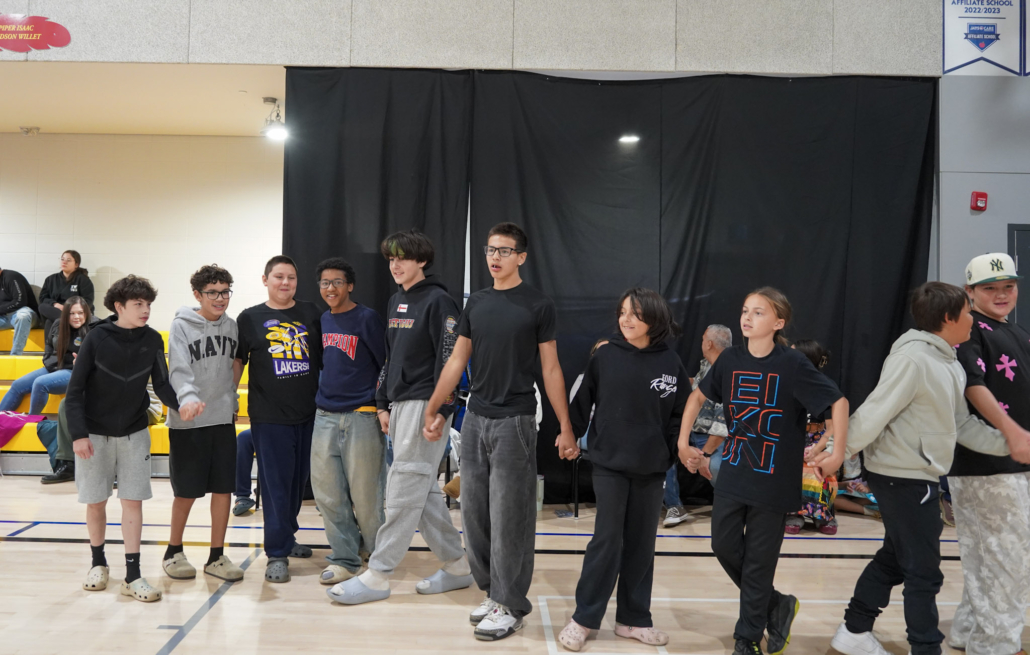
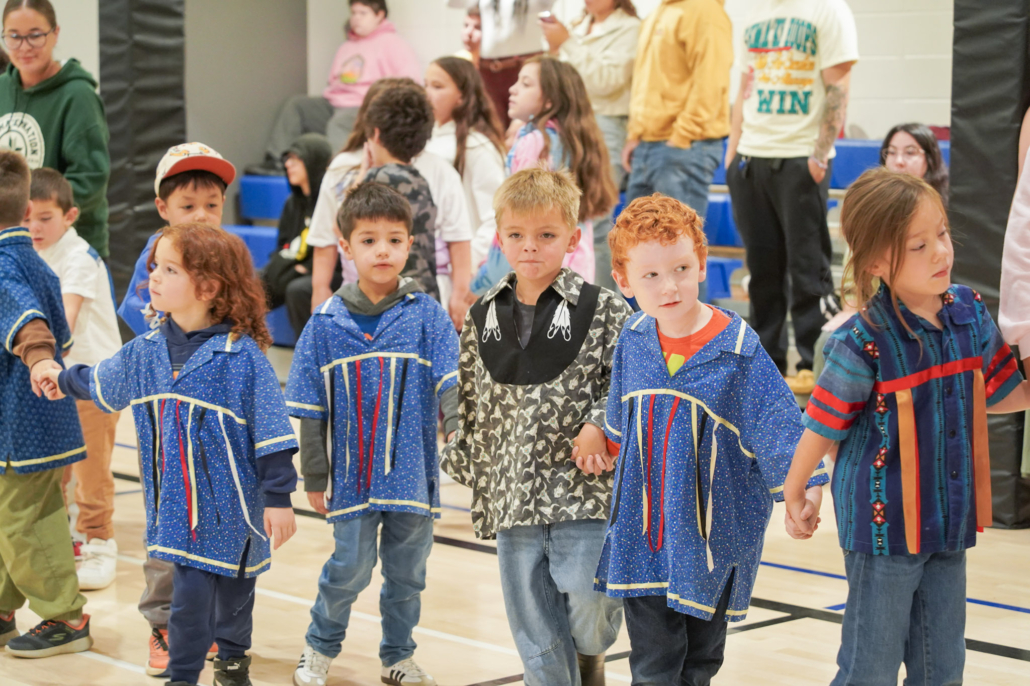
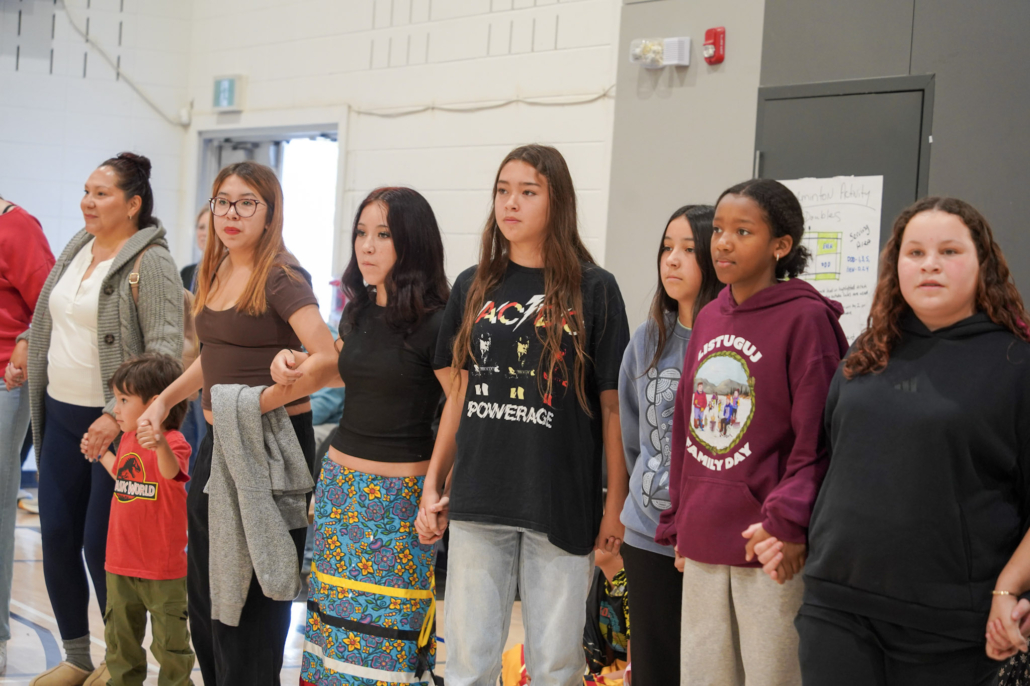
Fall Fair

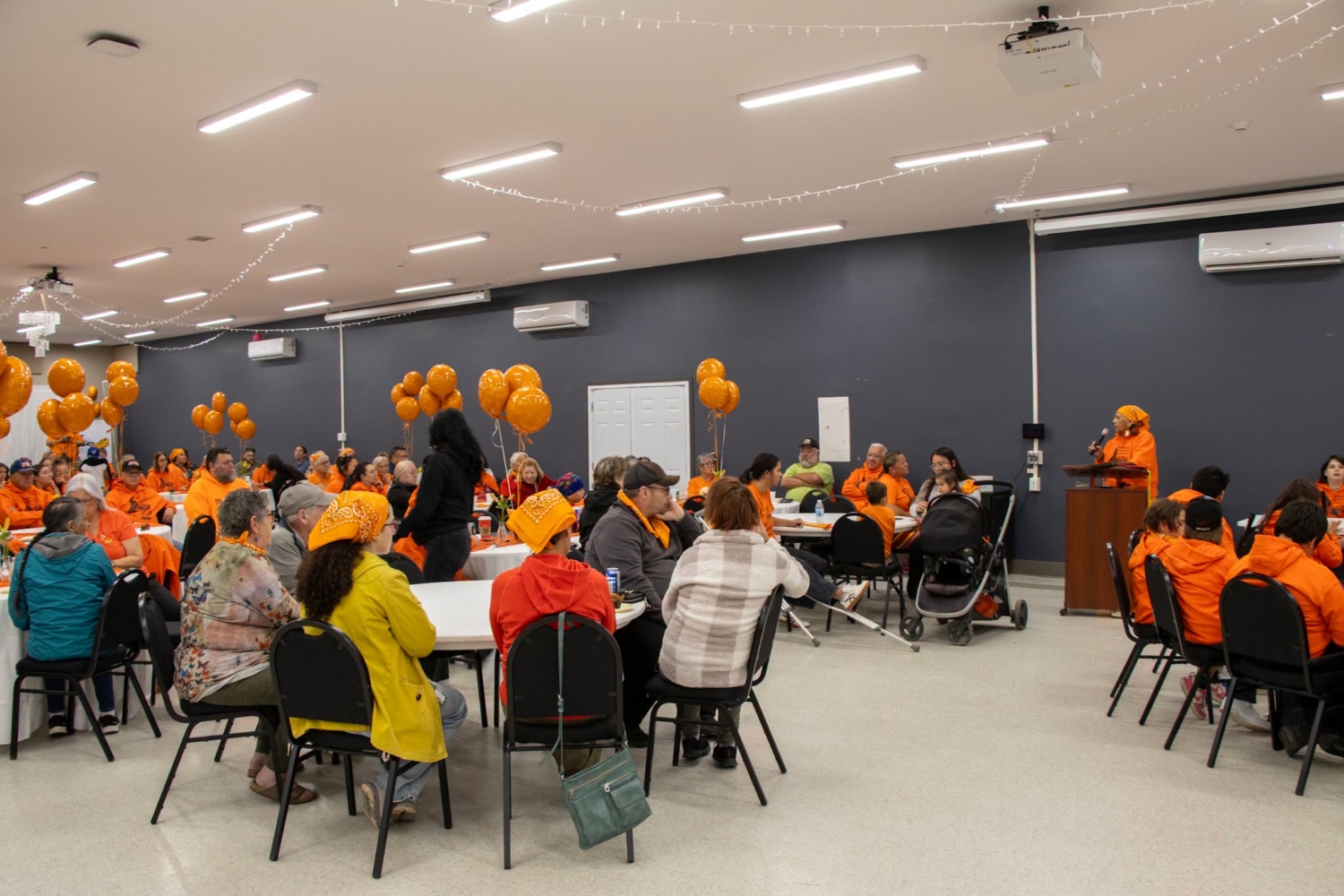
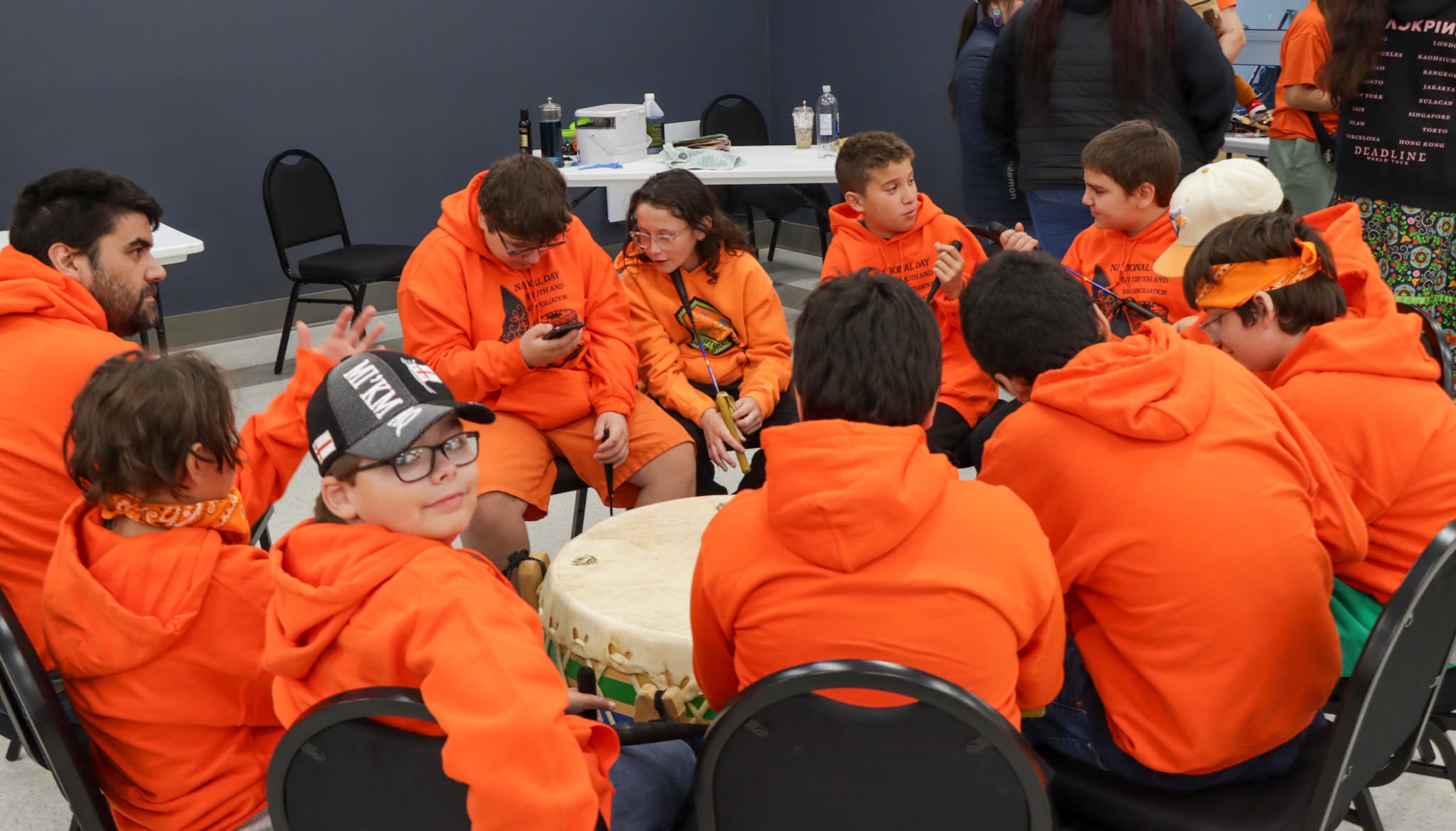
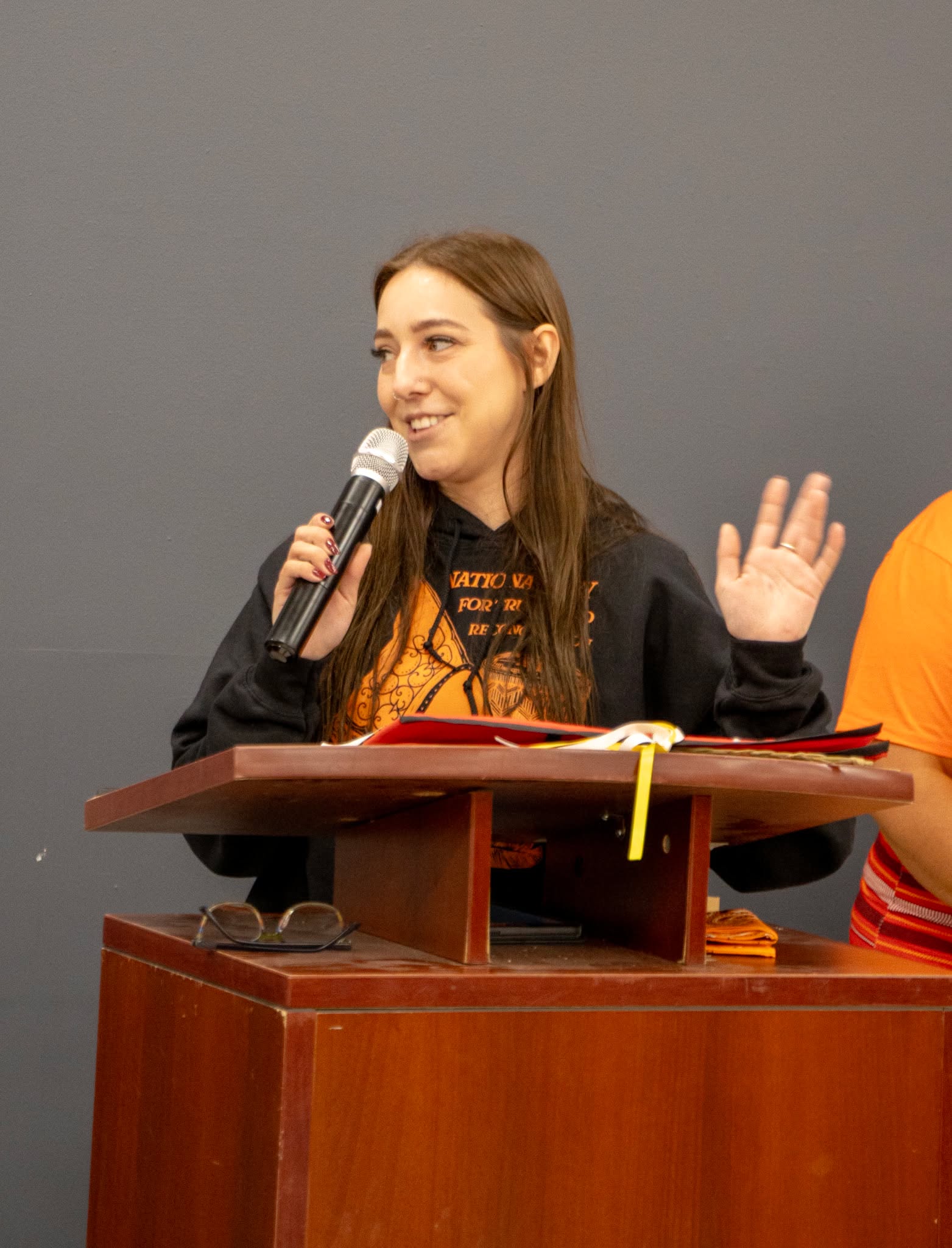
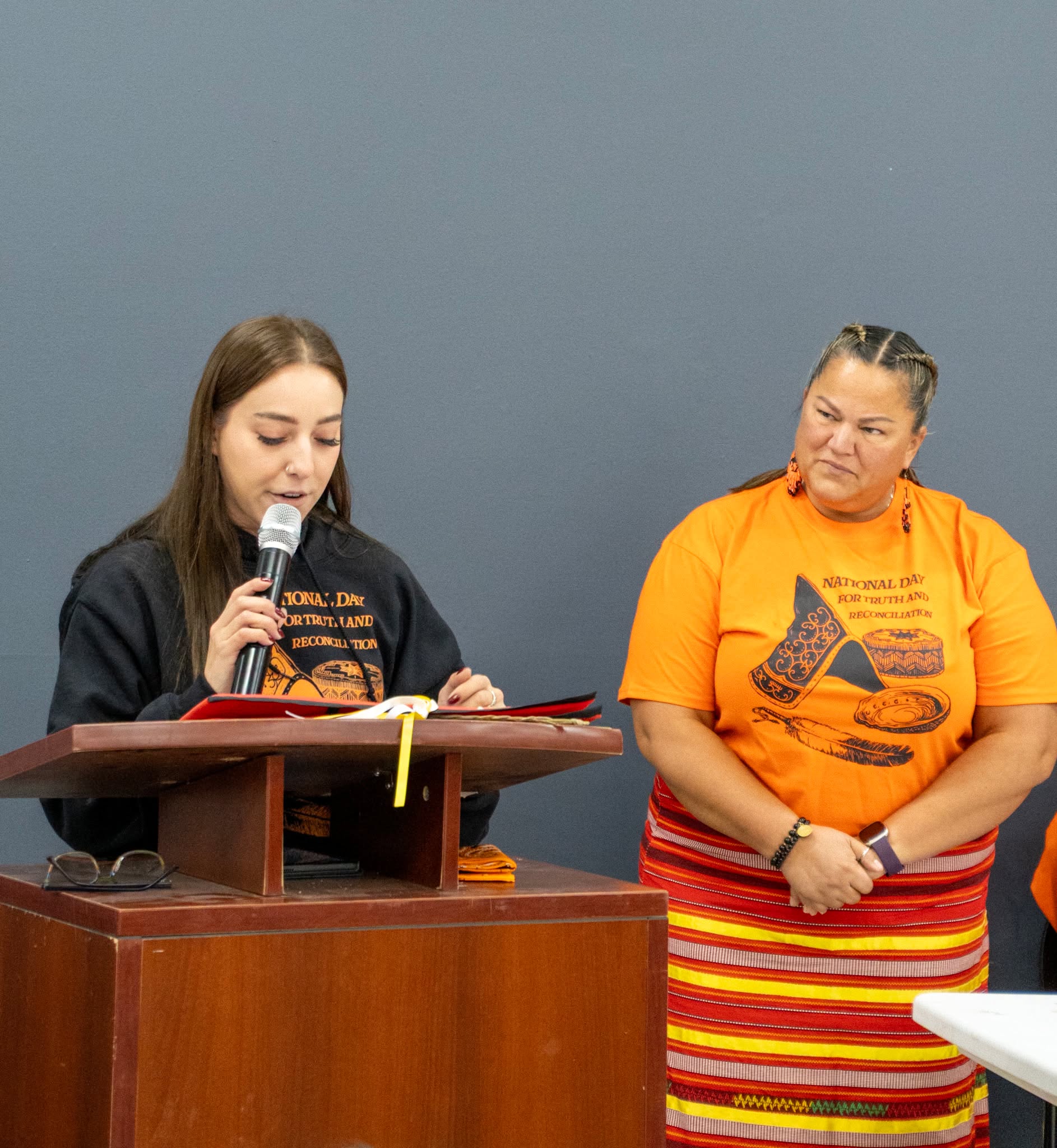
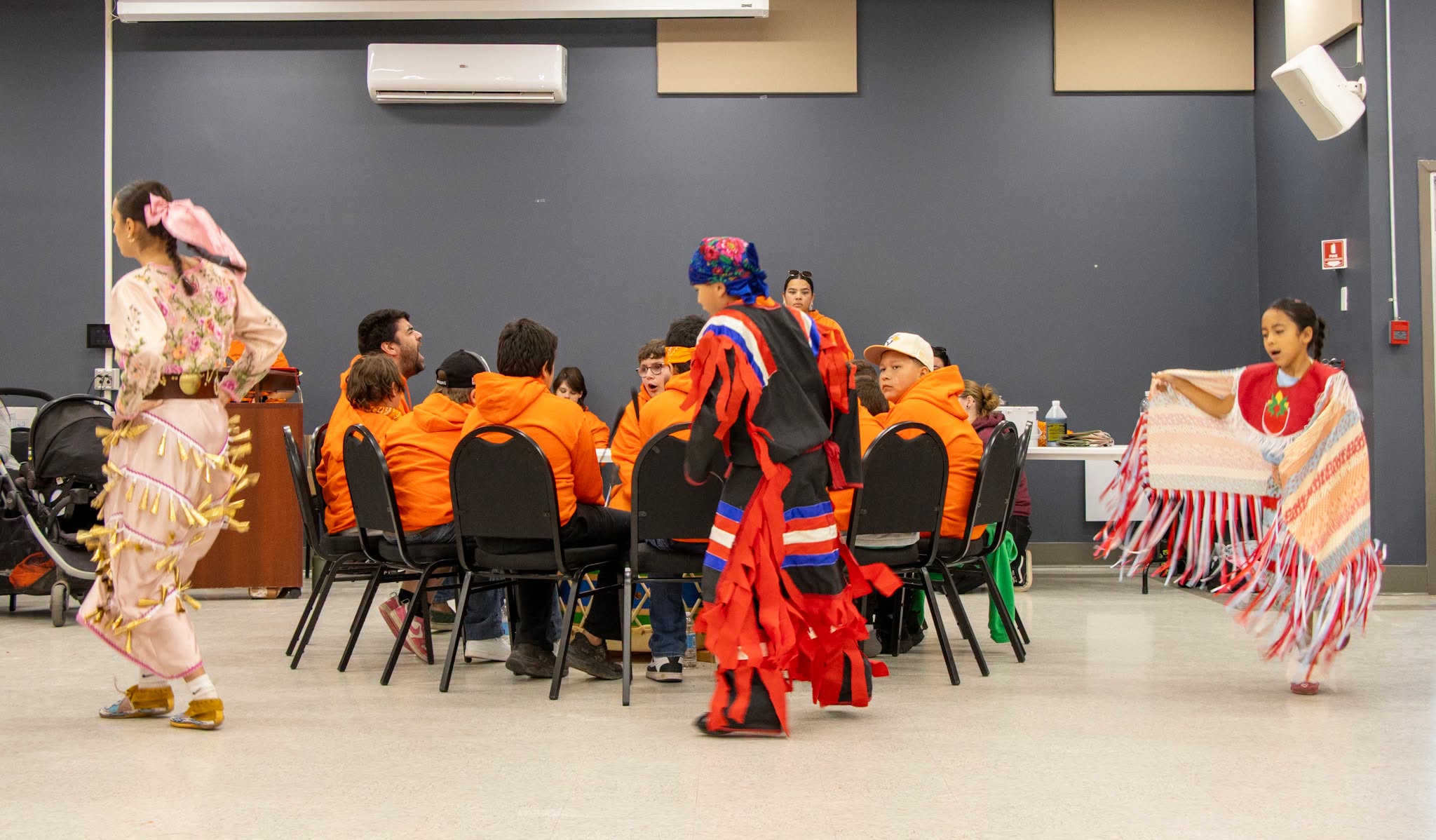
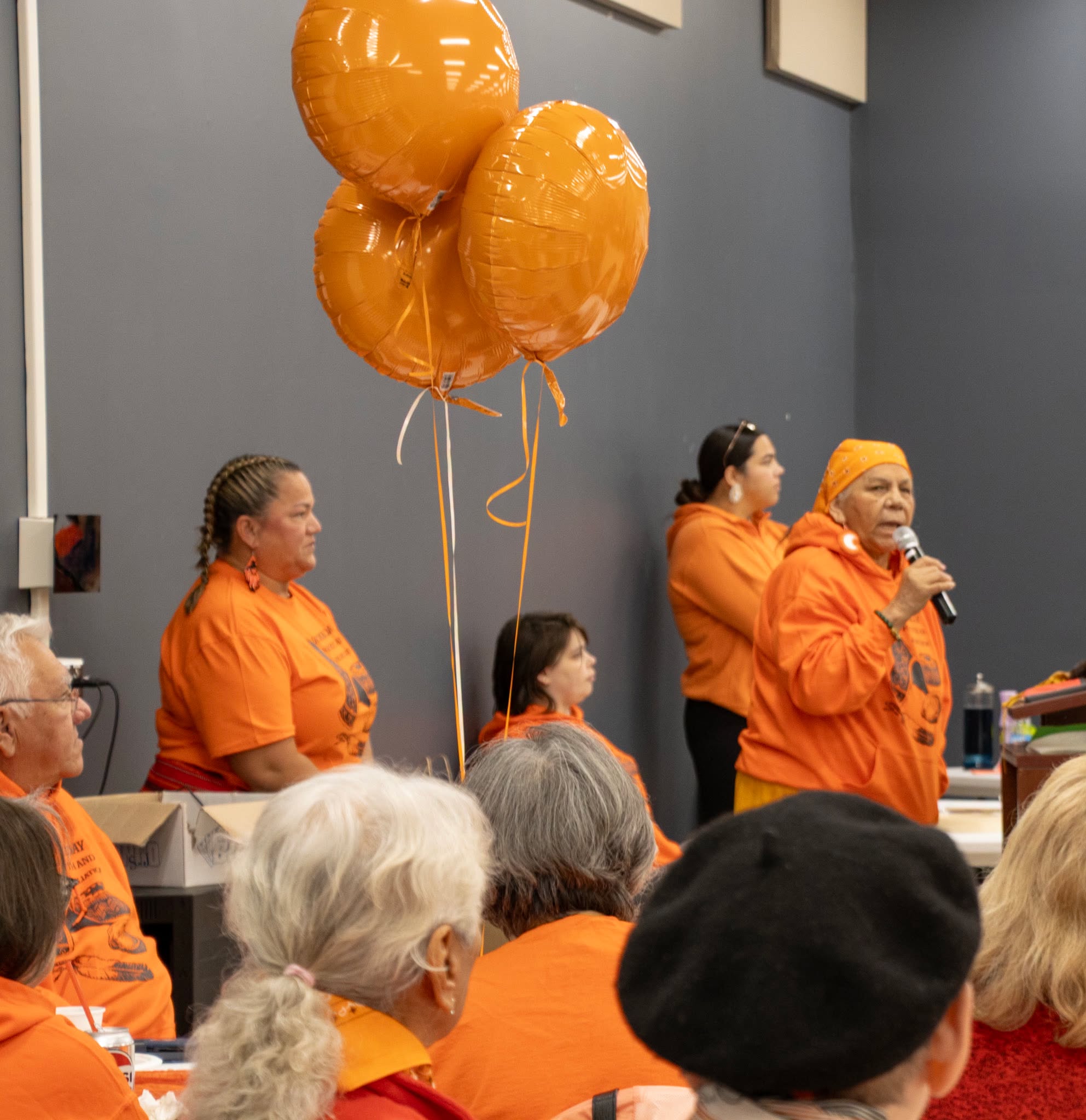
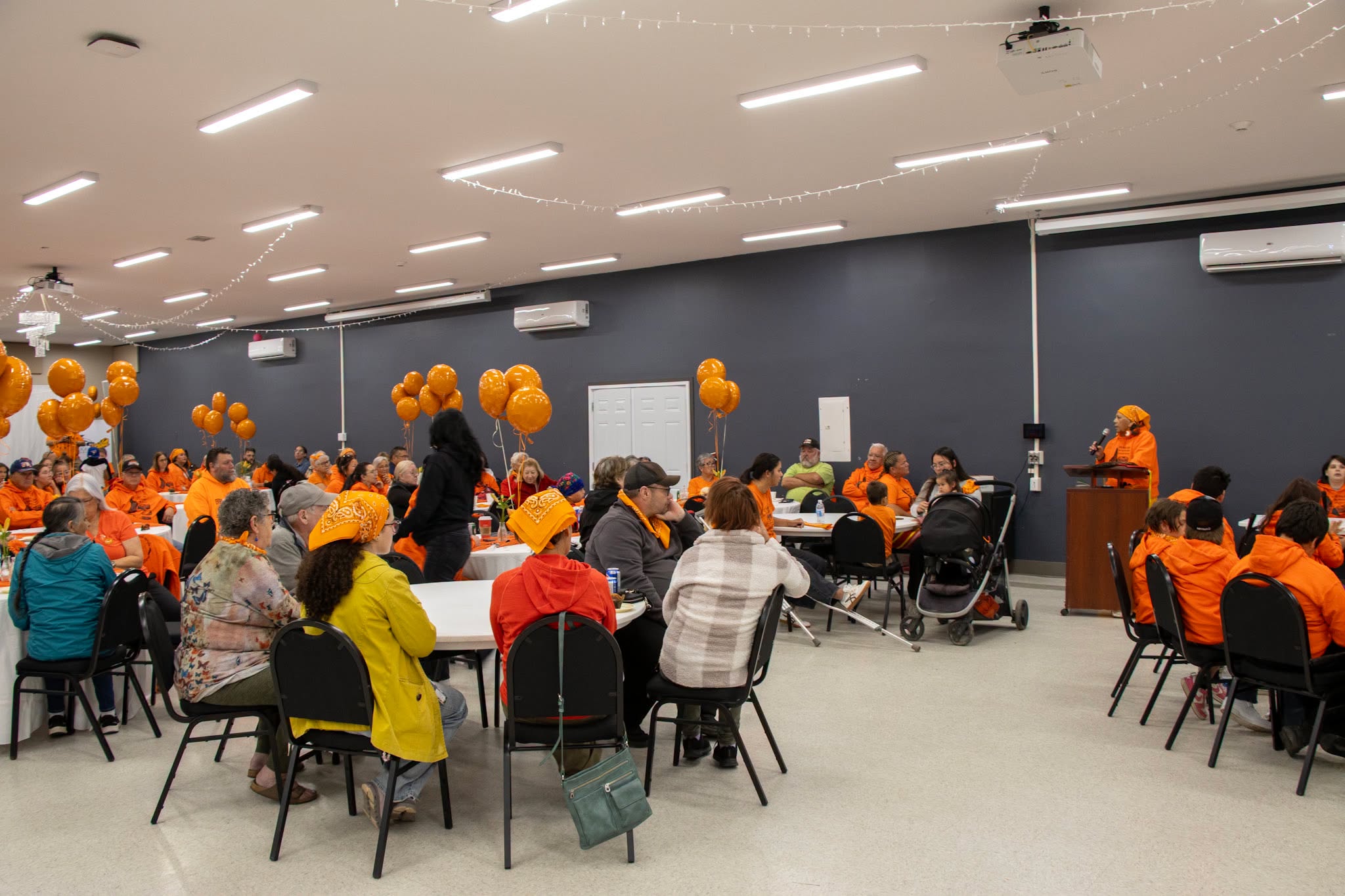
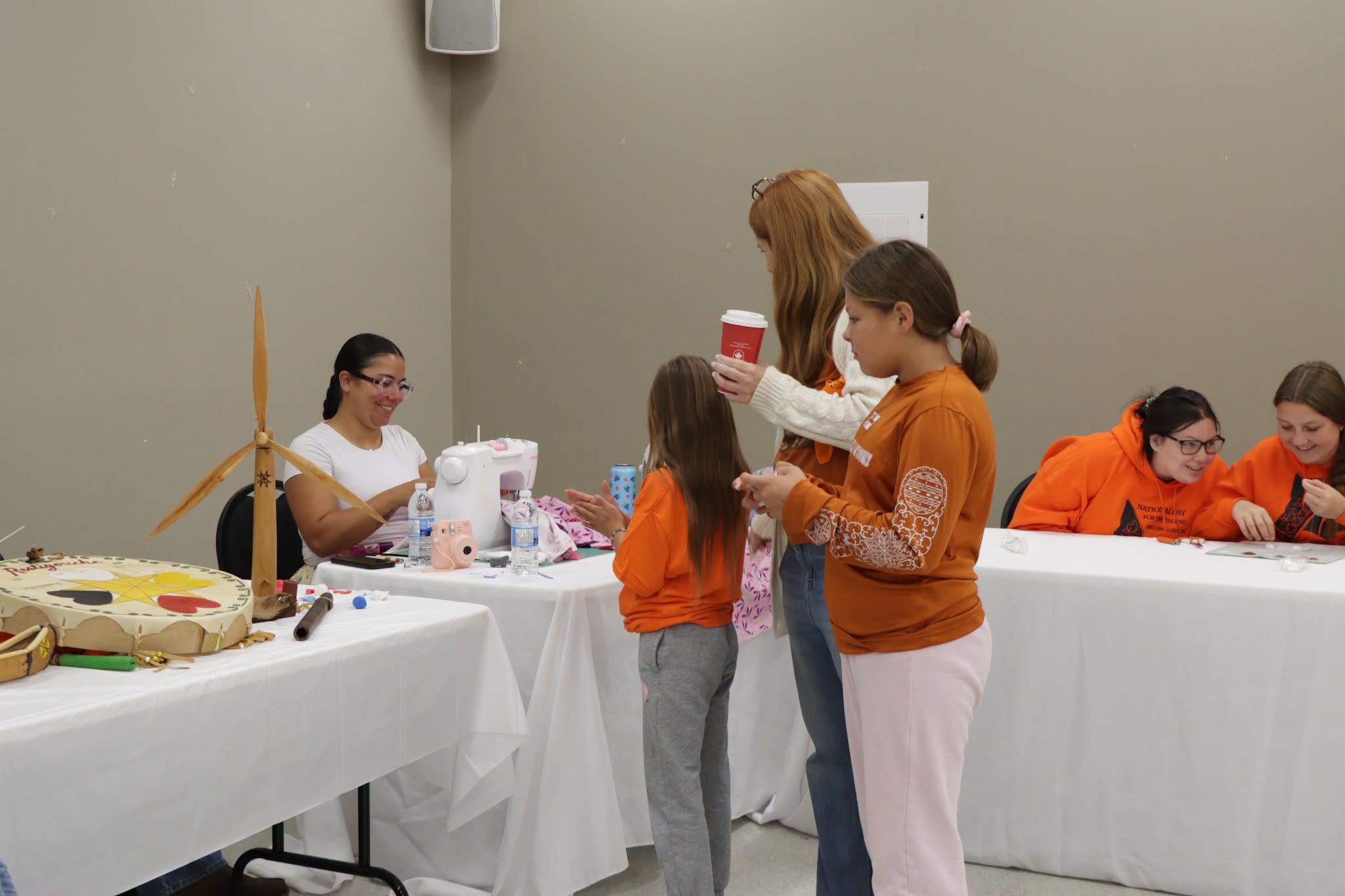
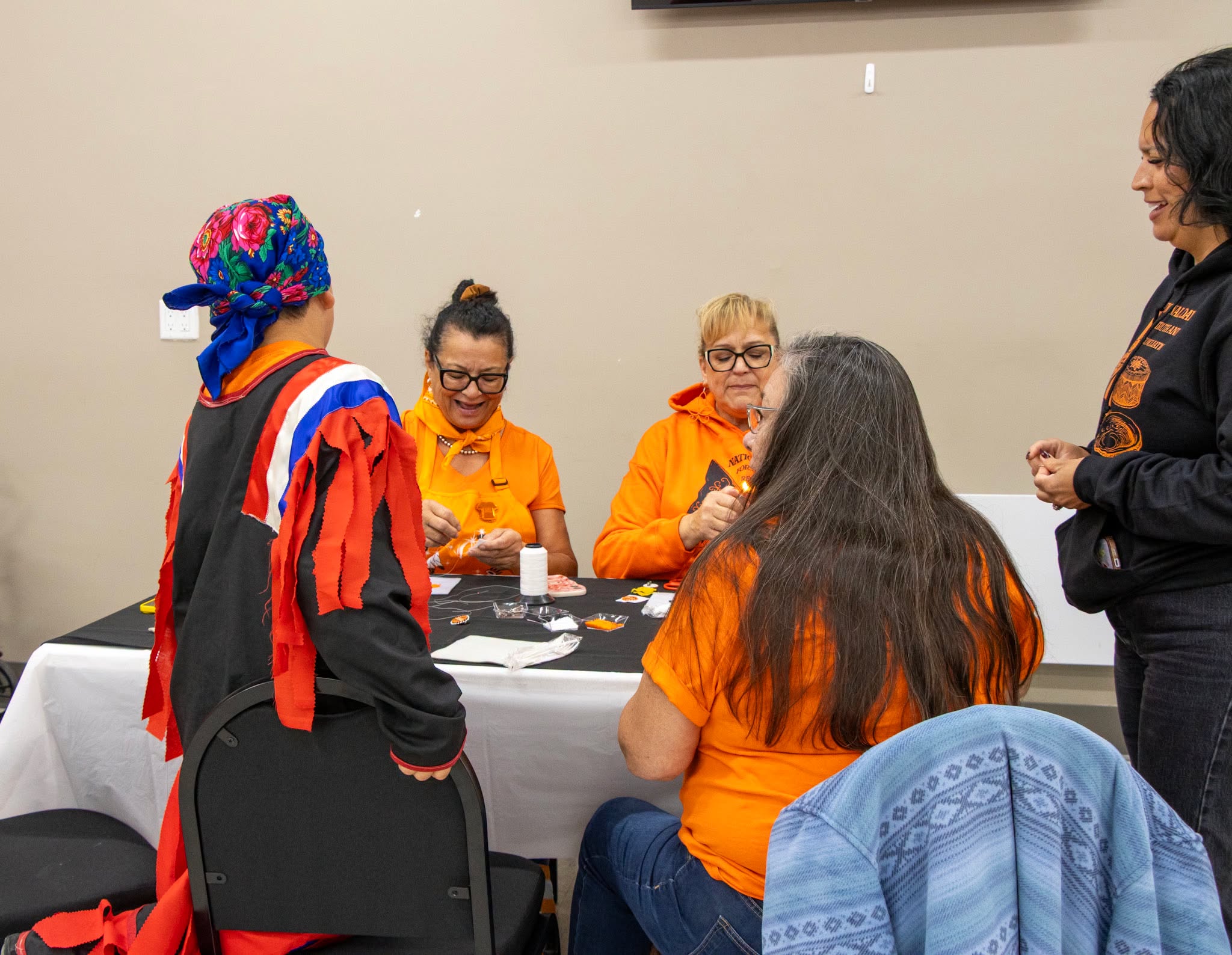
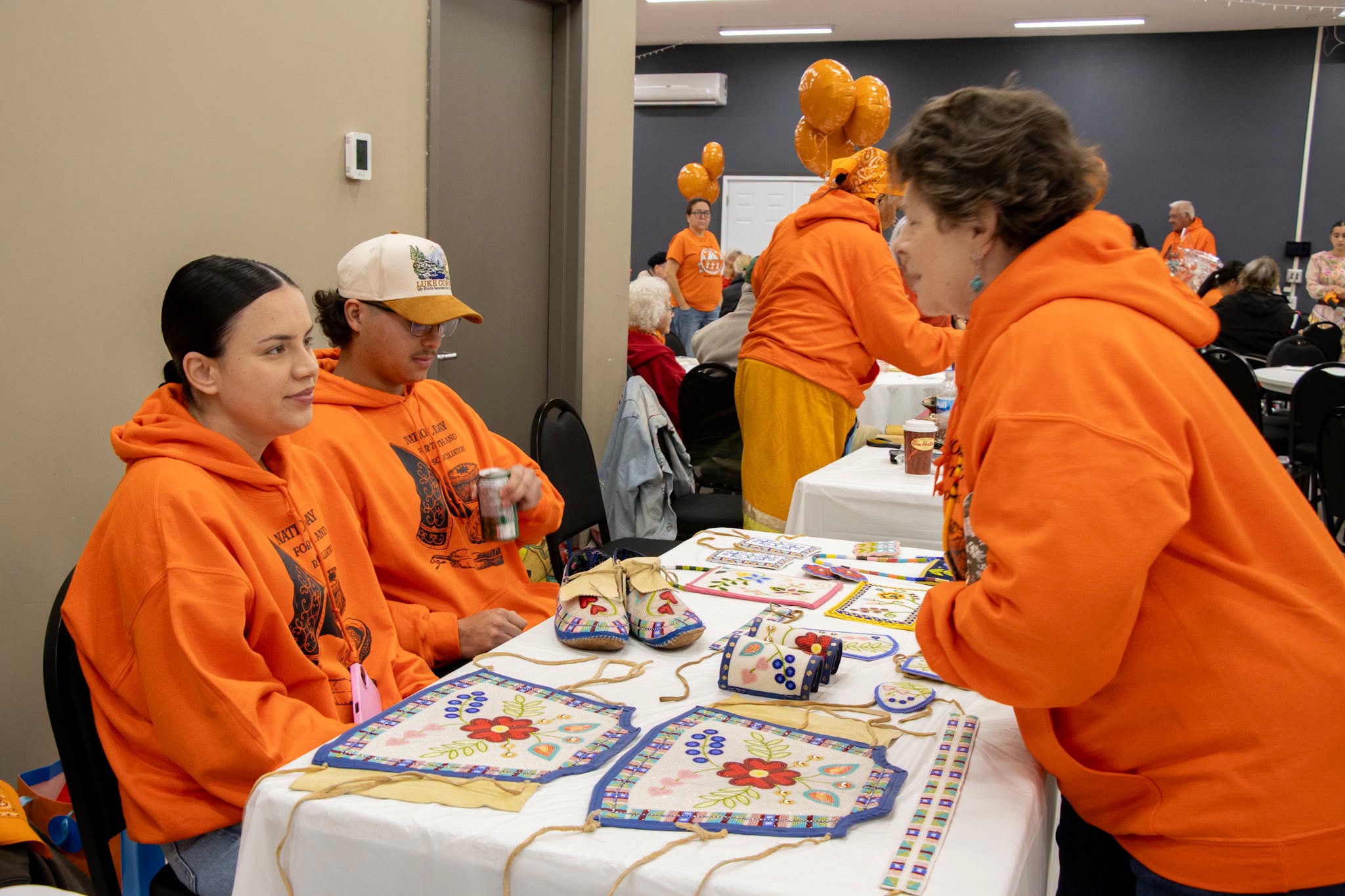
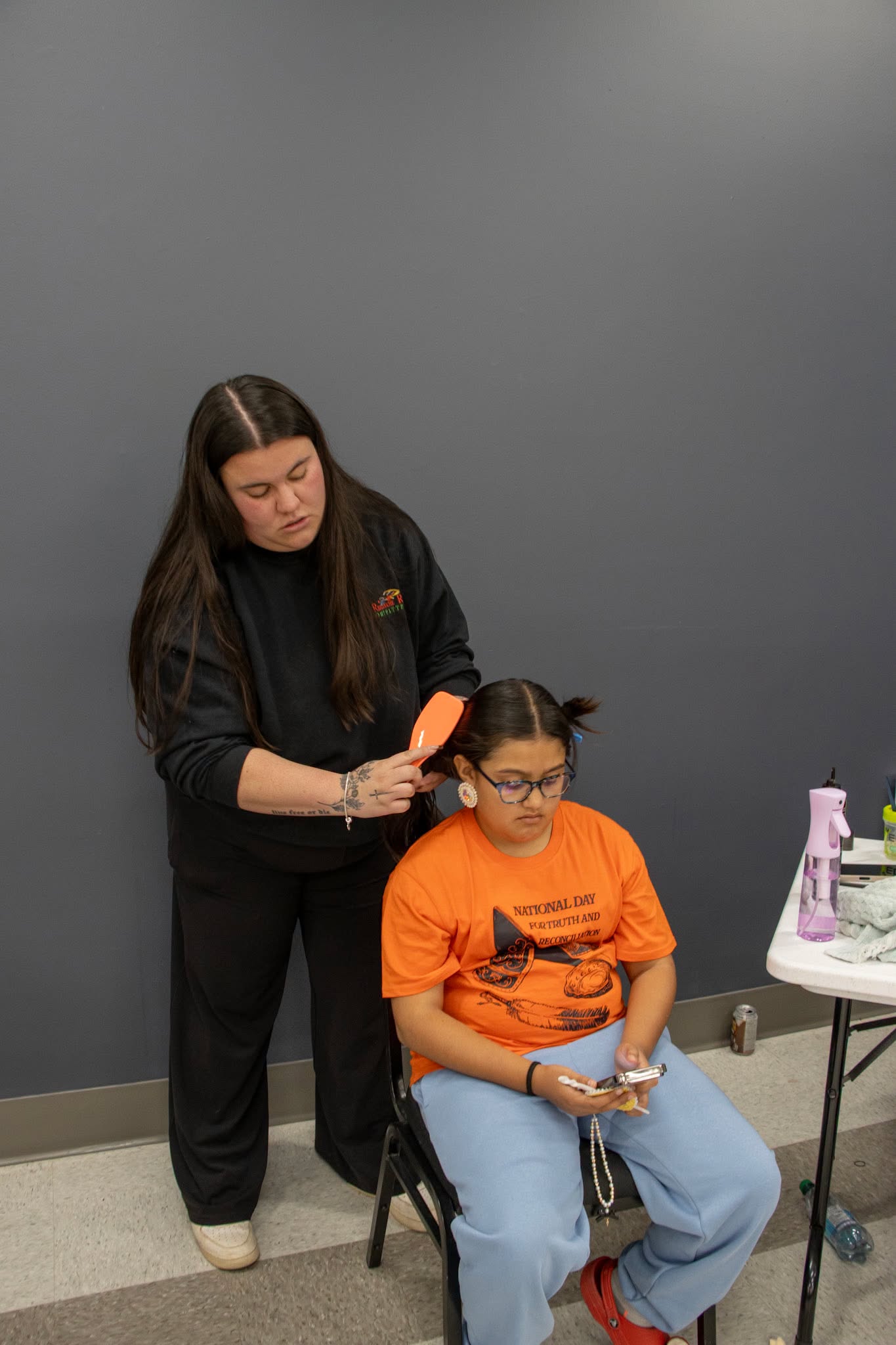
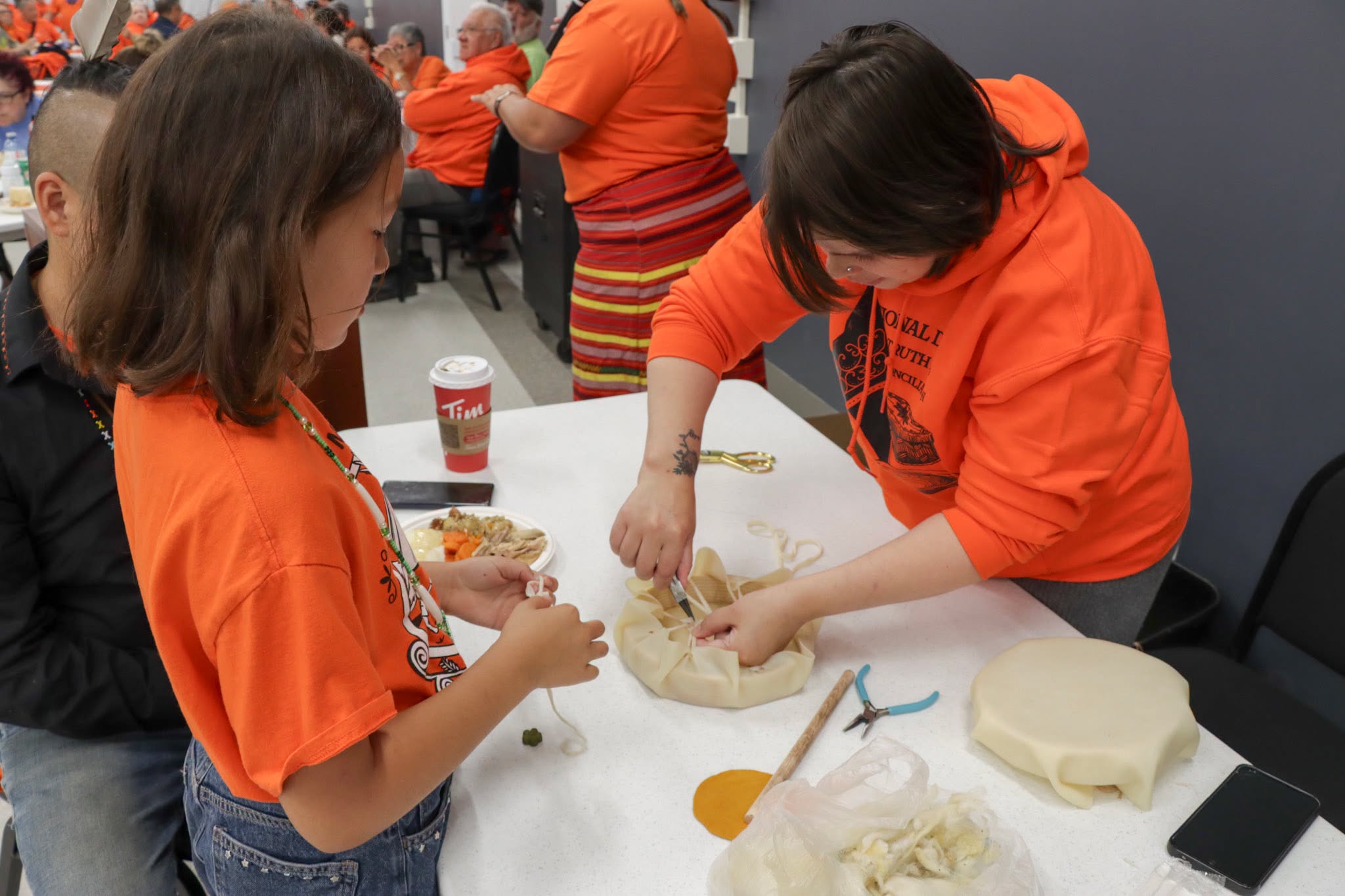
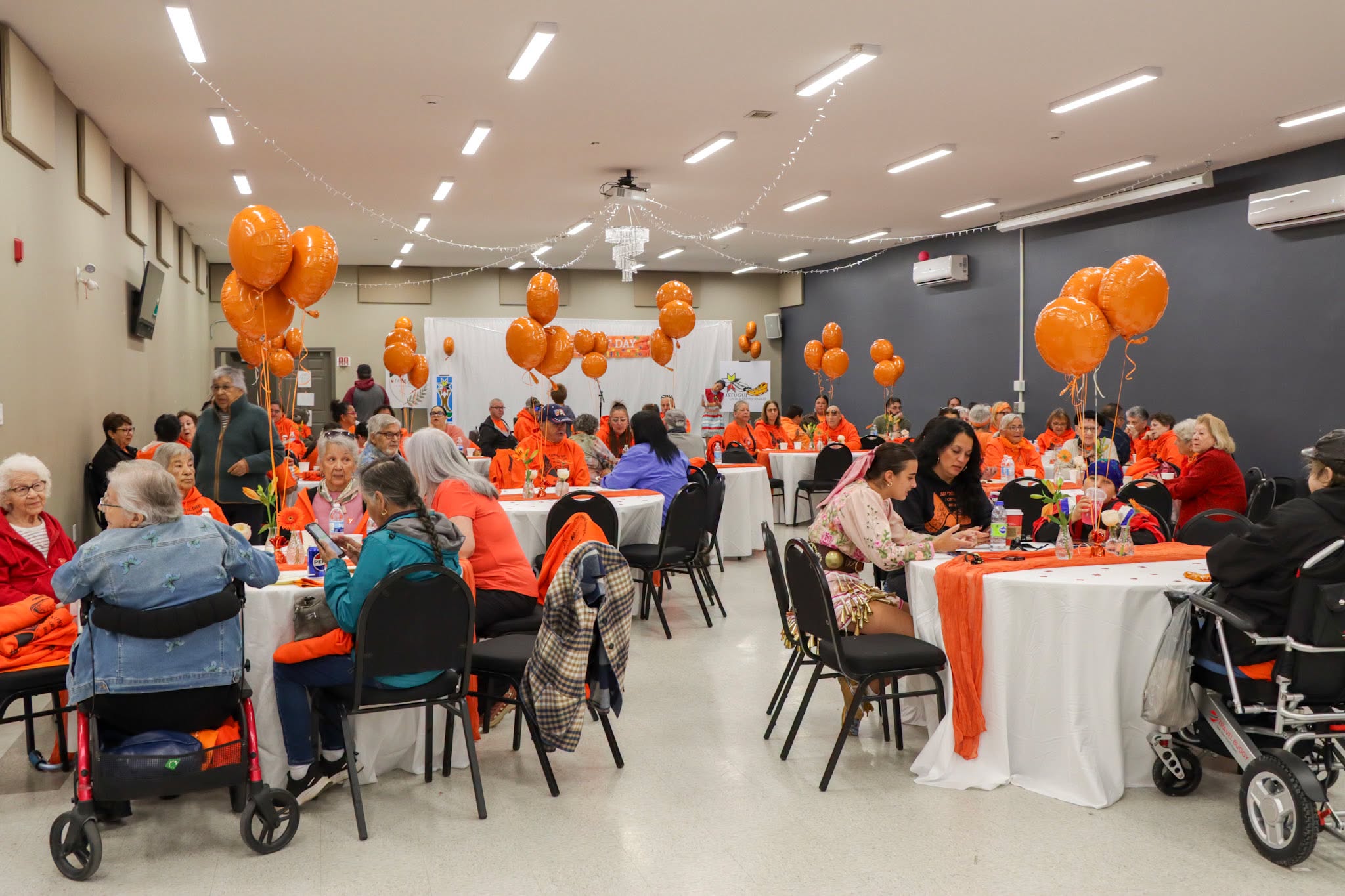
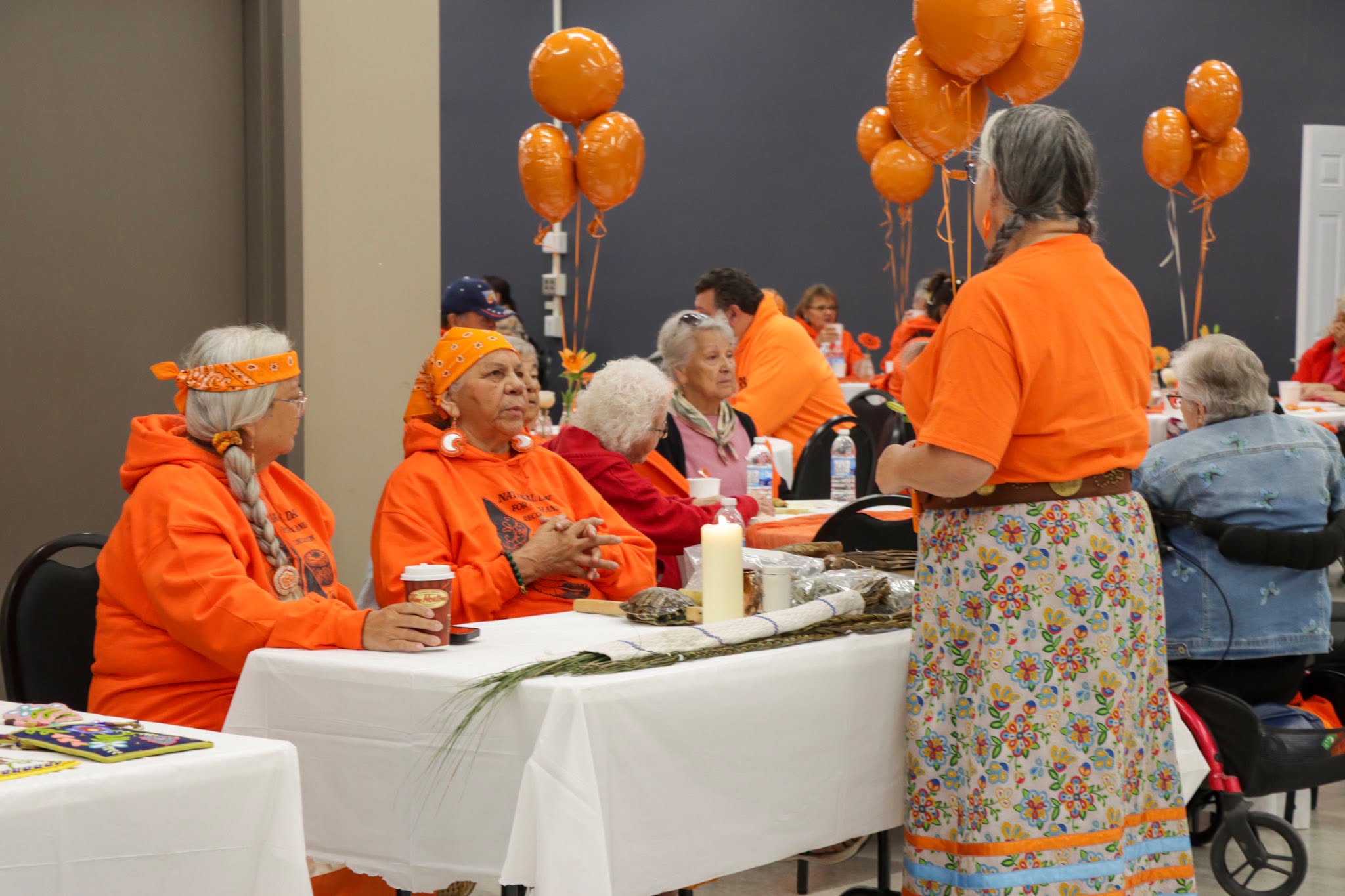
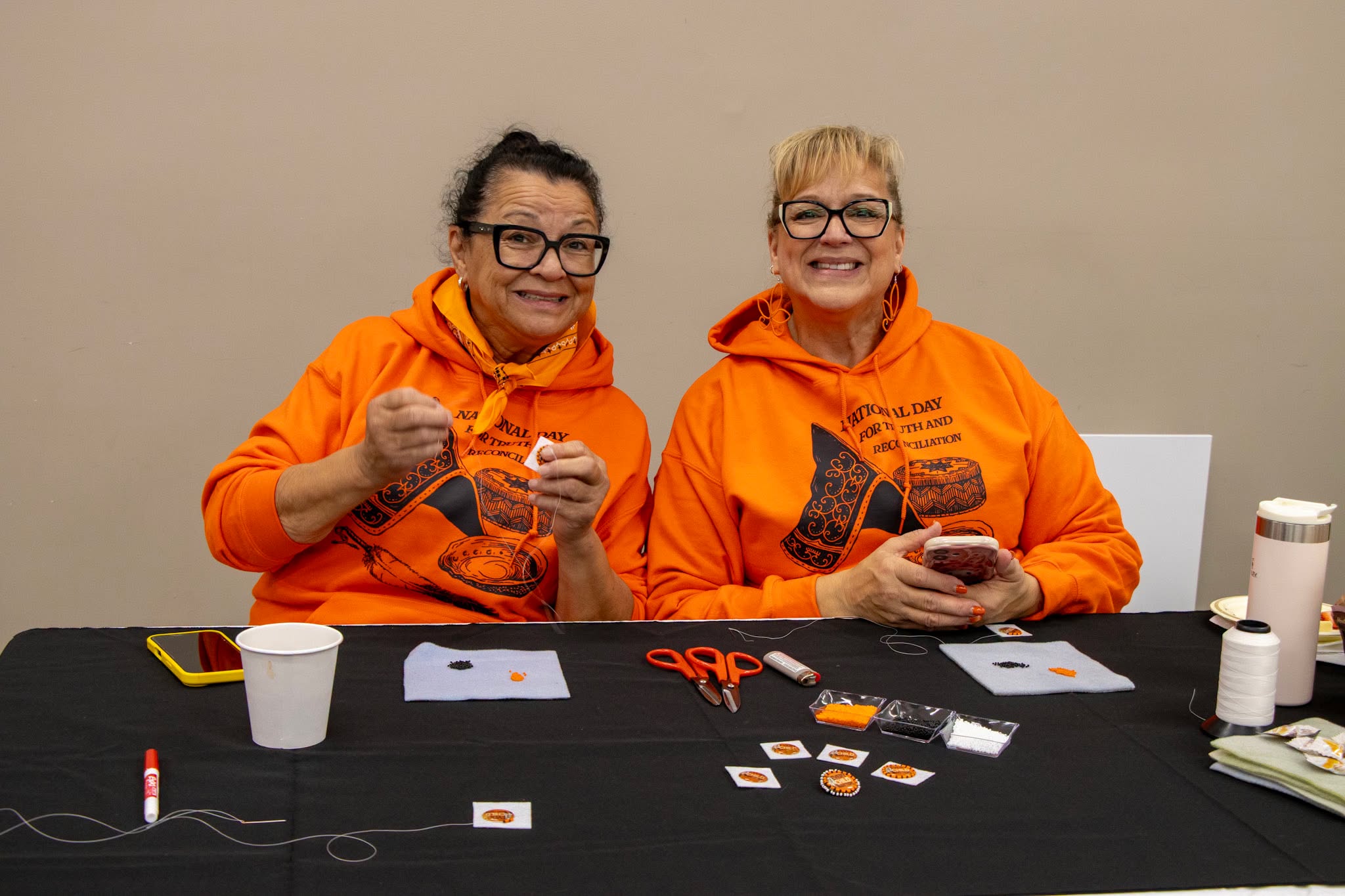
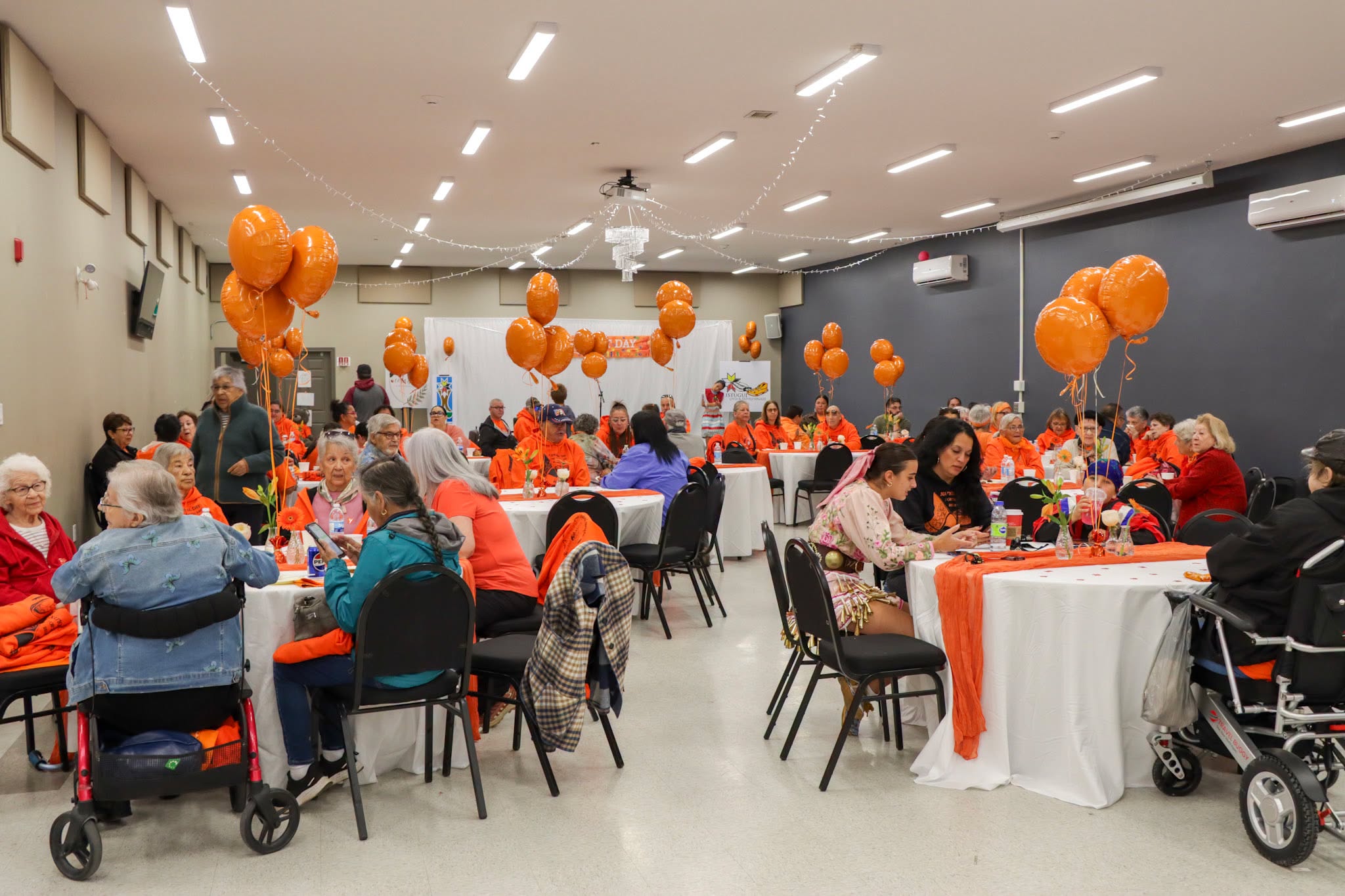
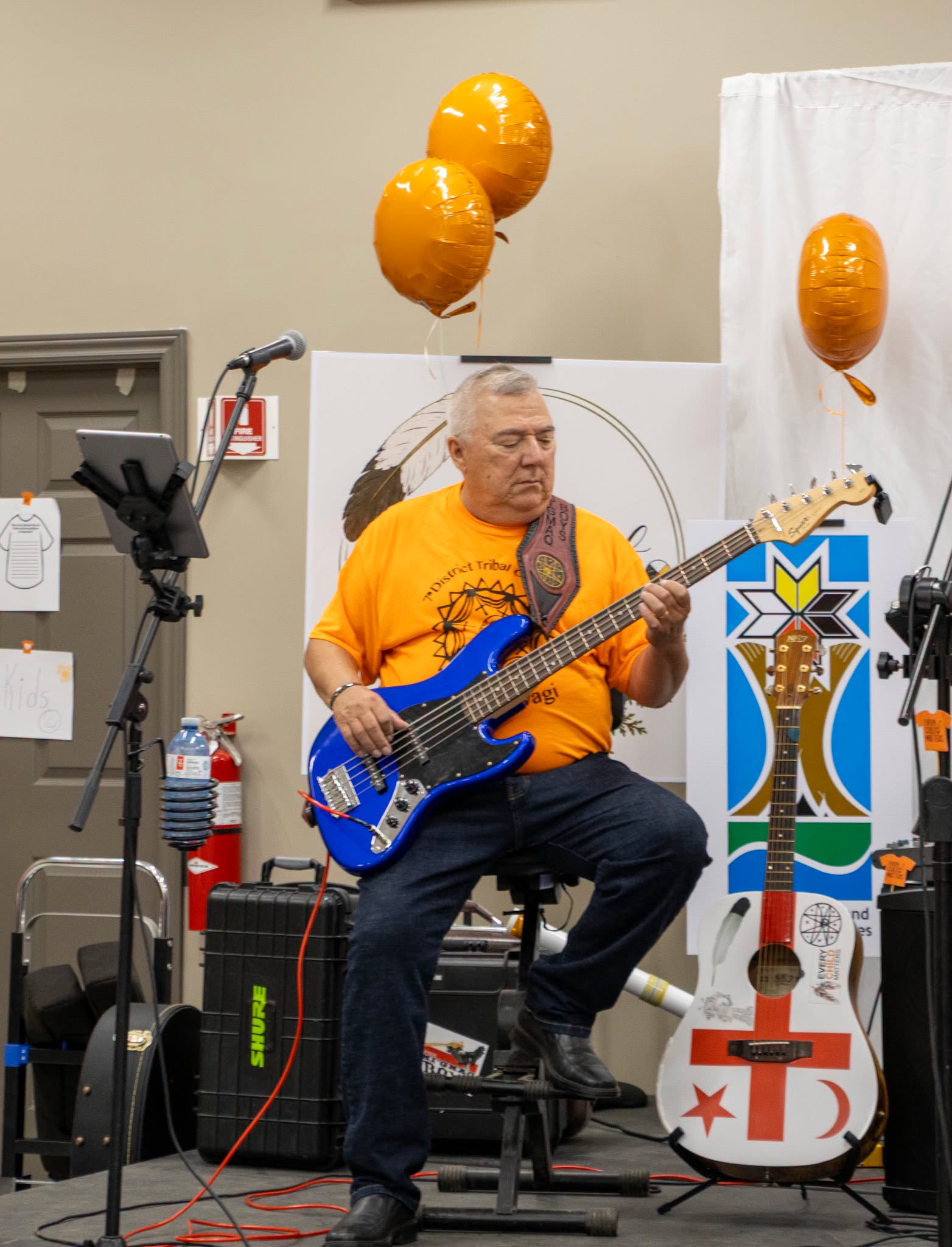
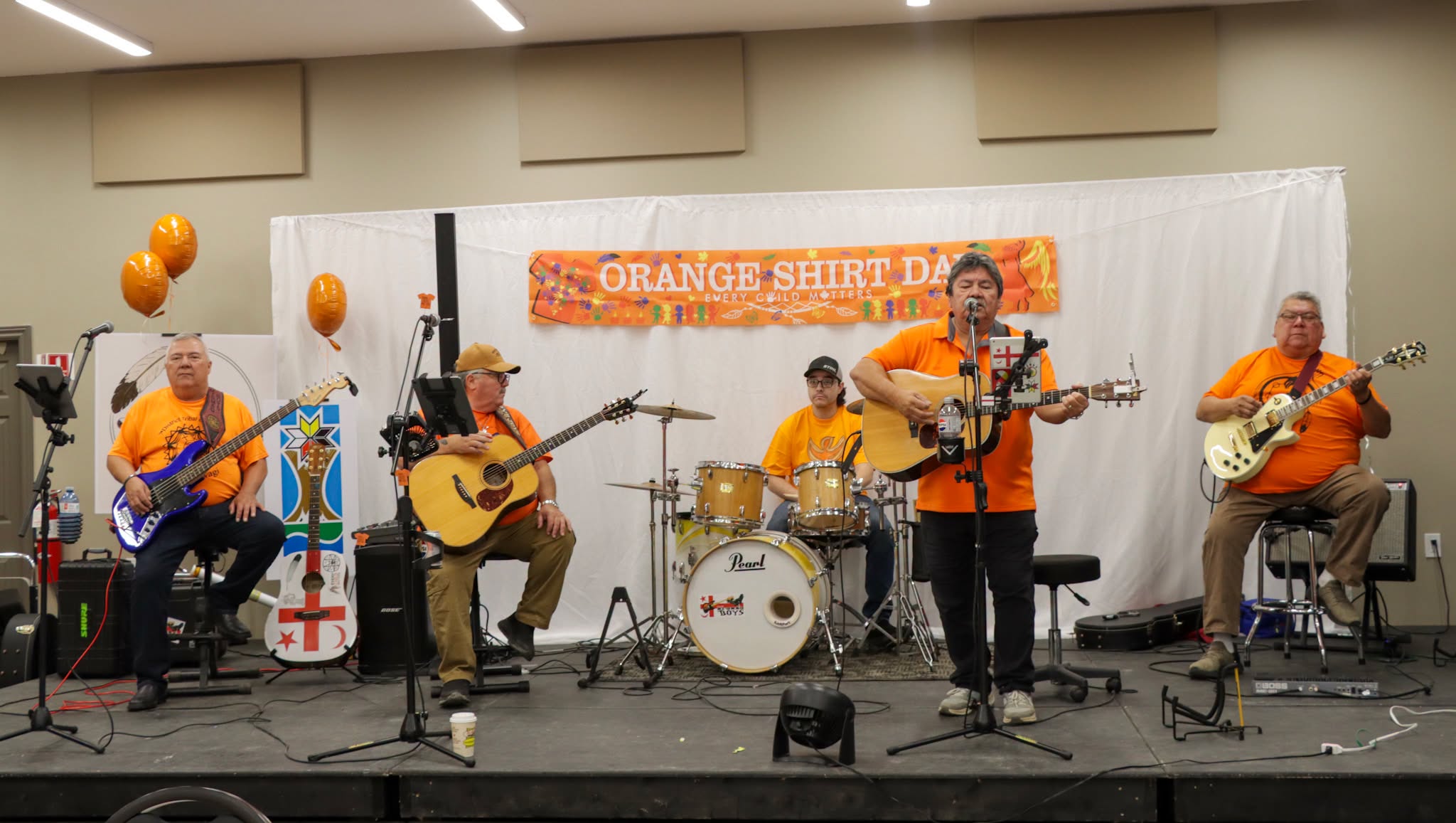
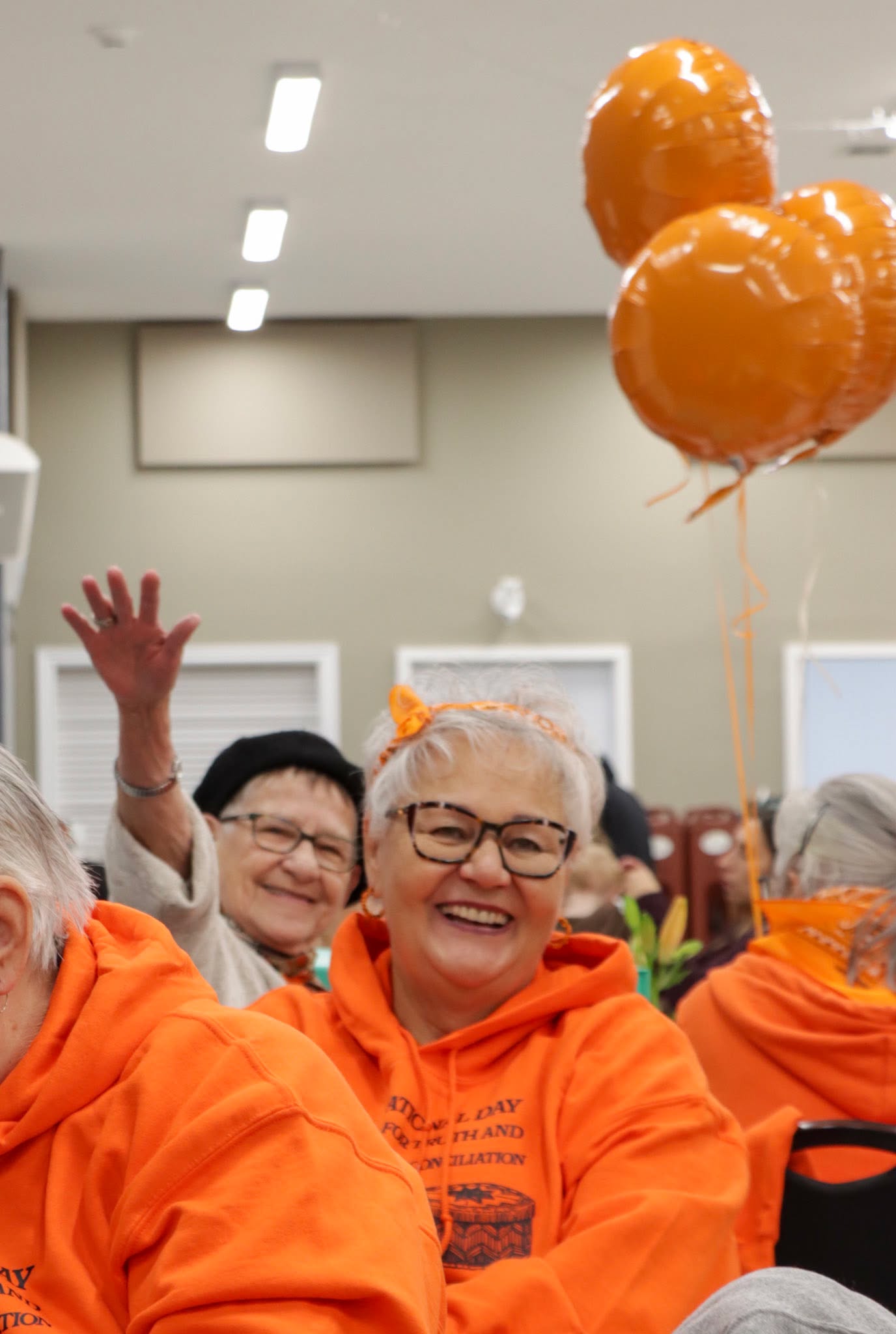
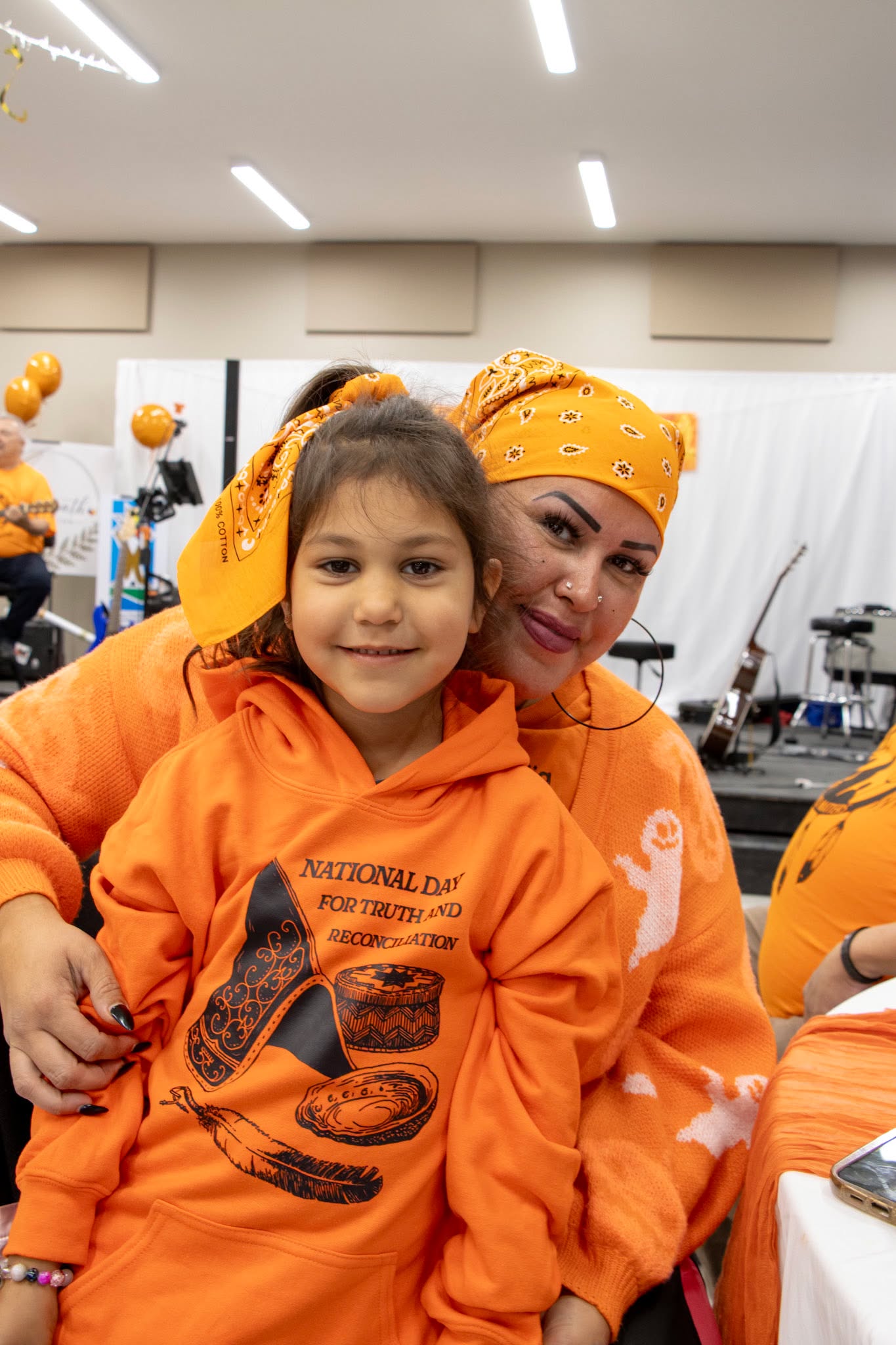
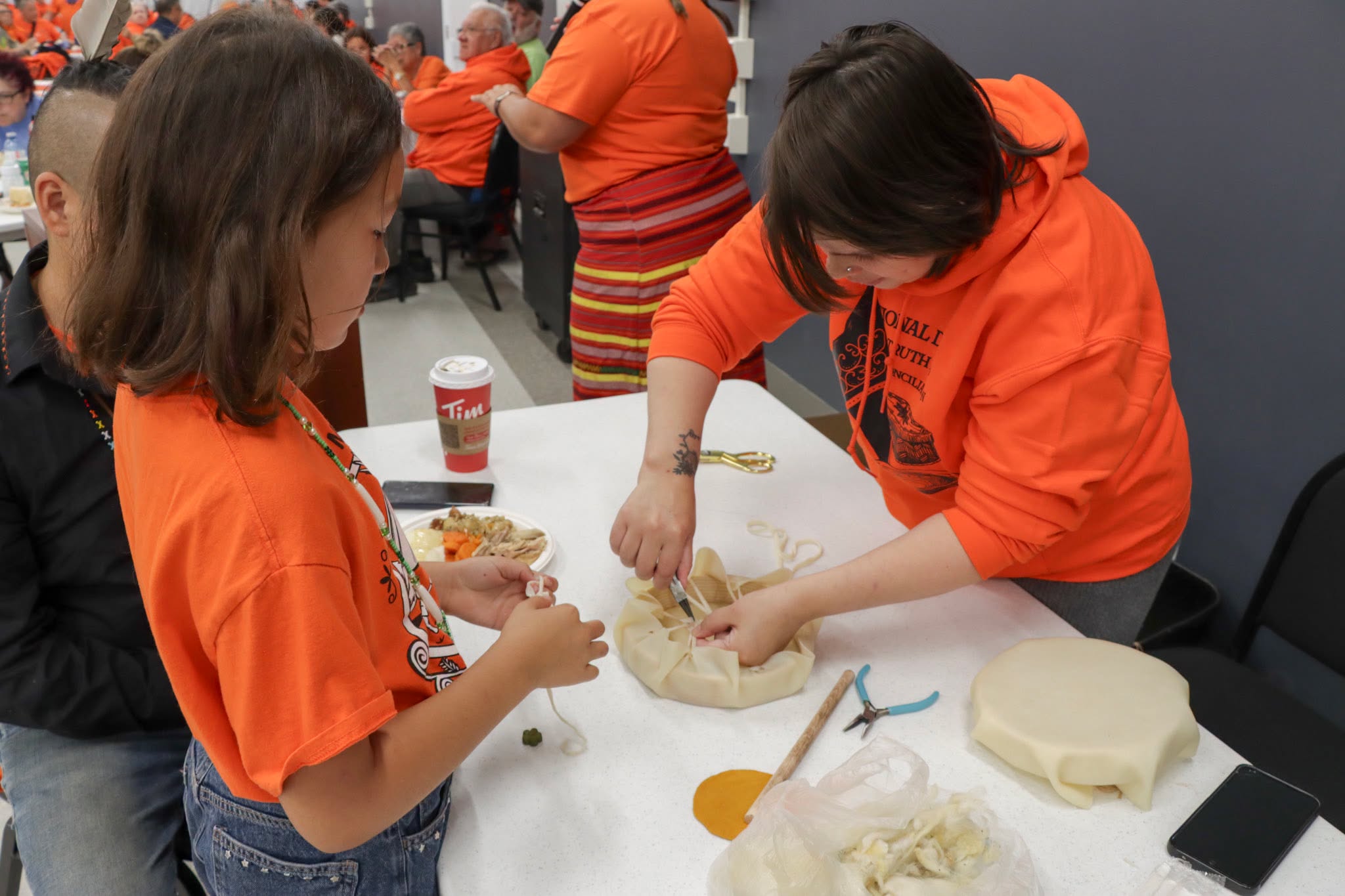
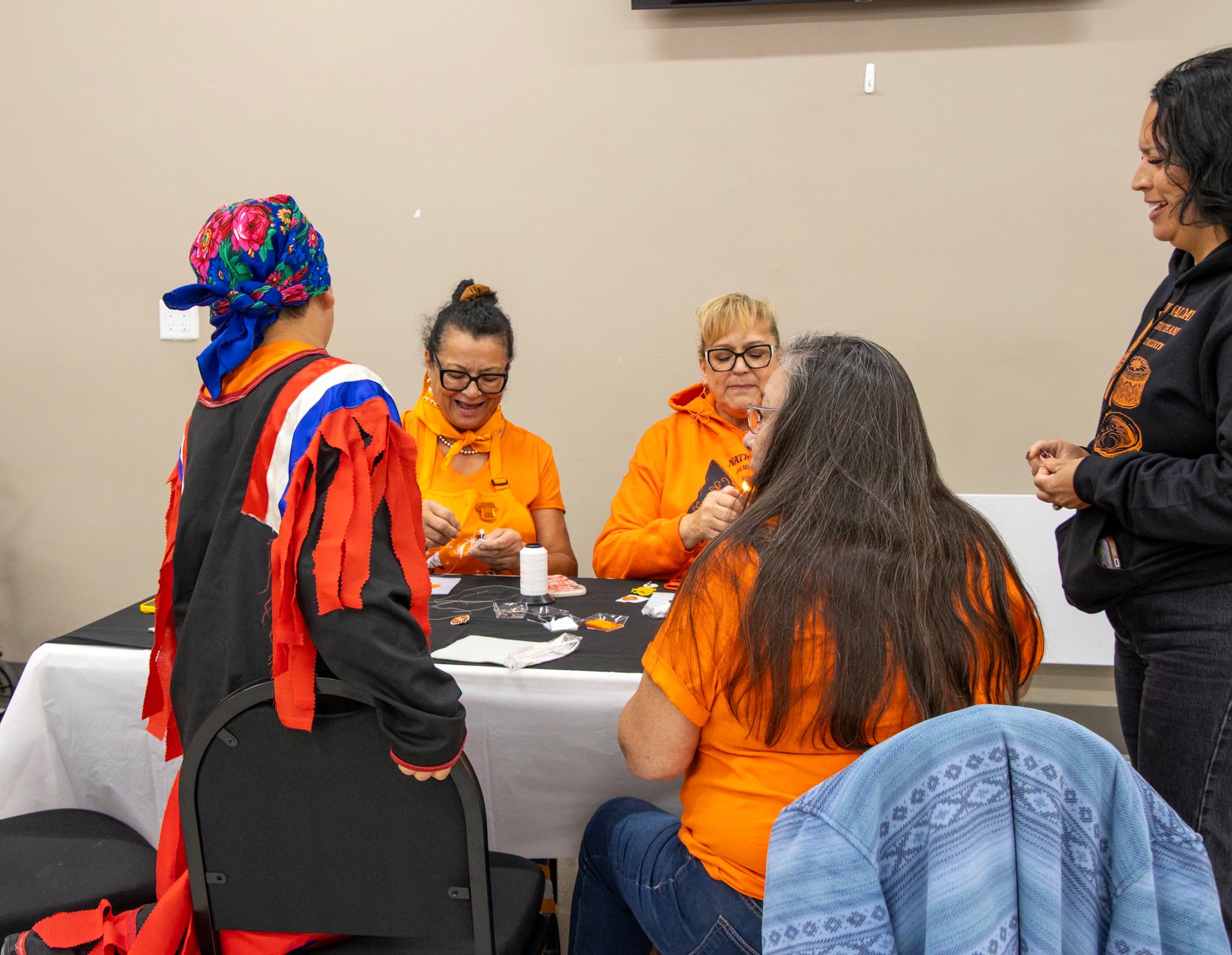
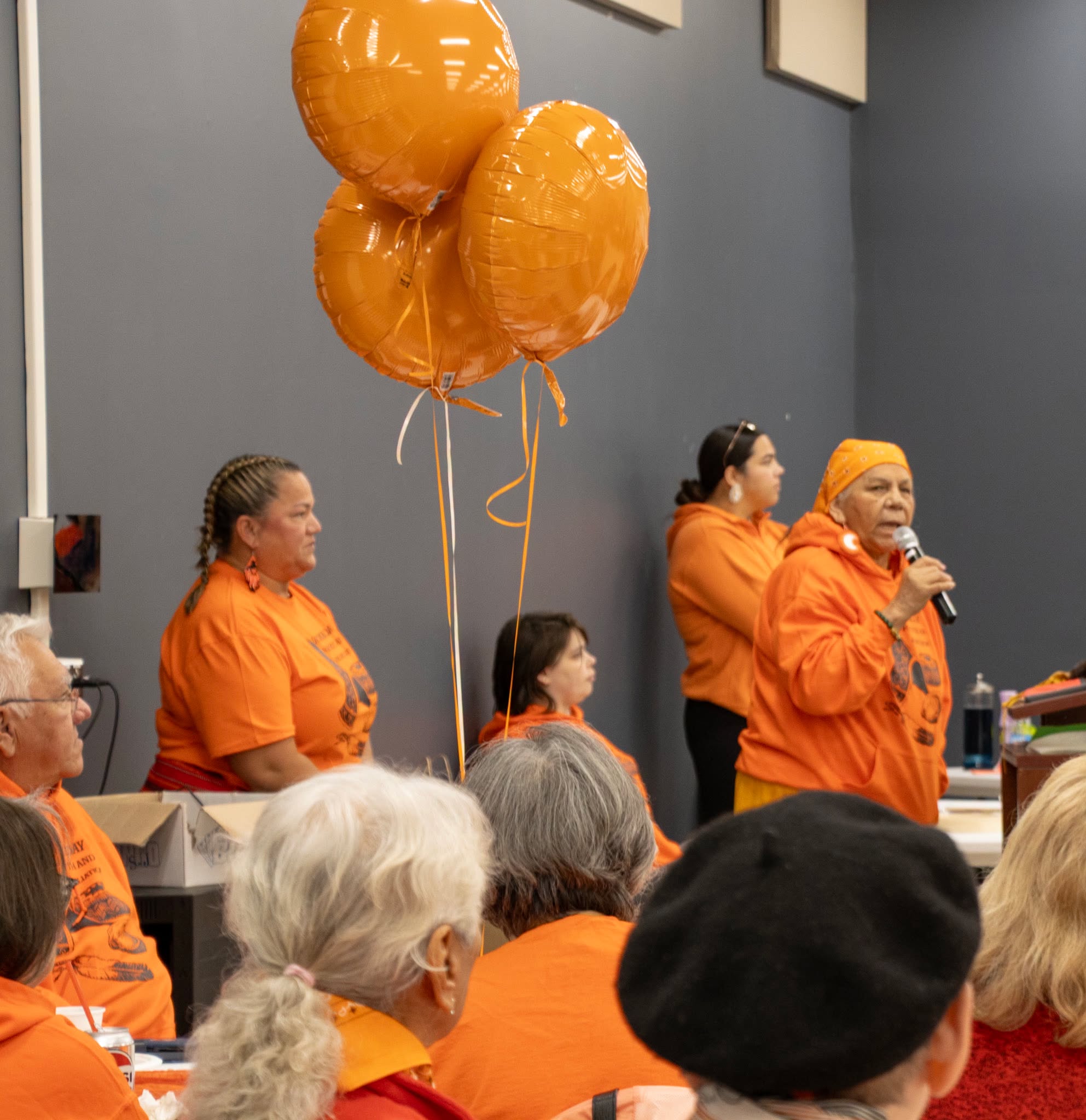
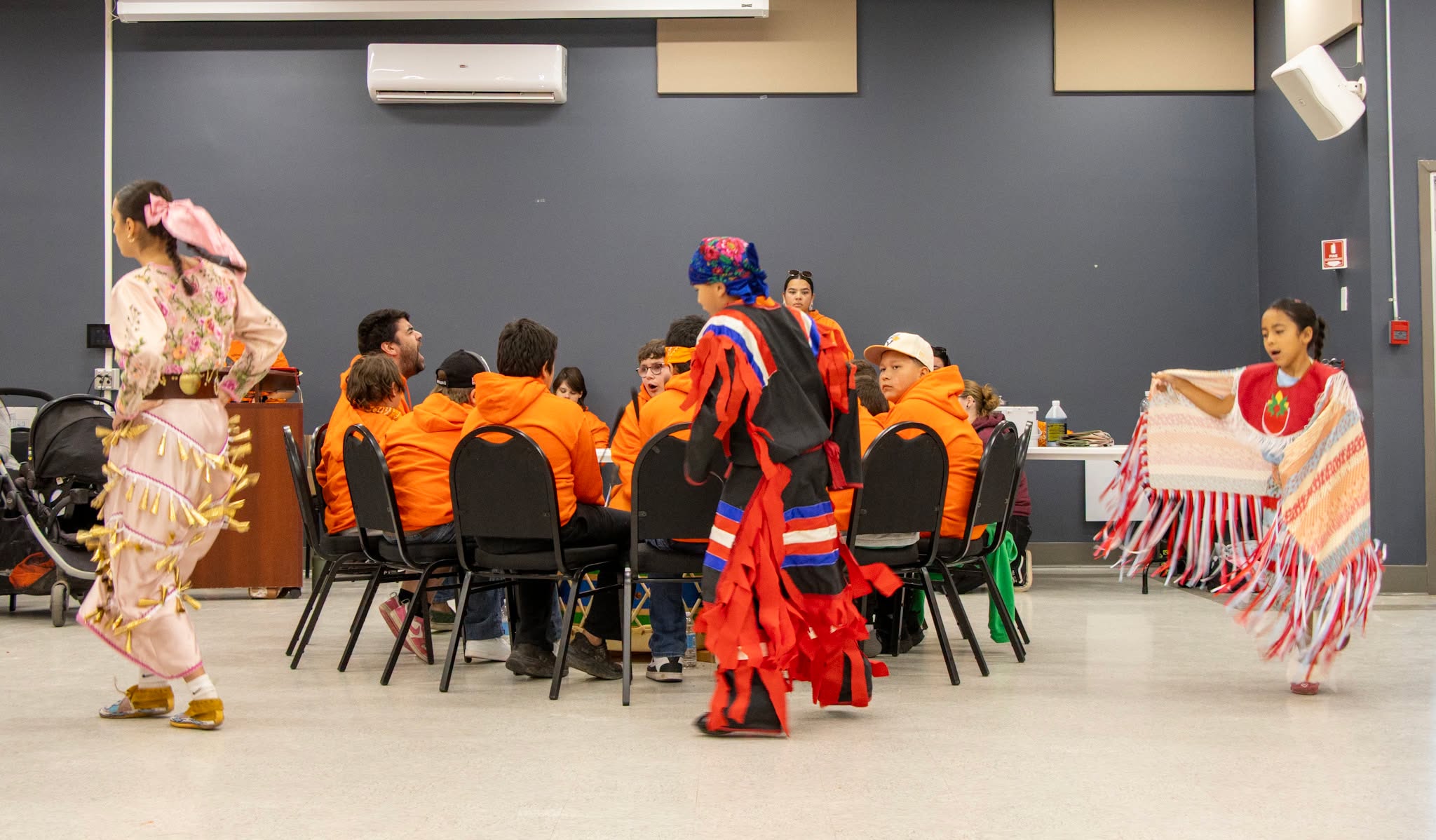
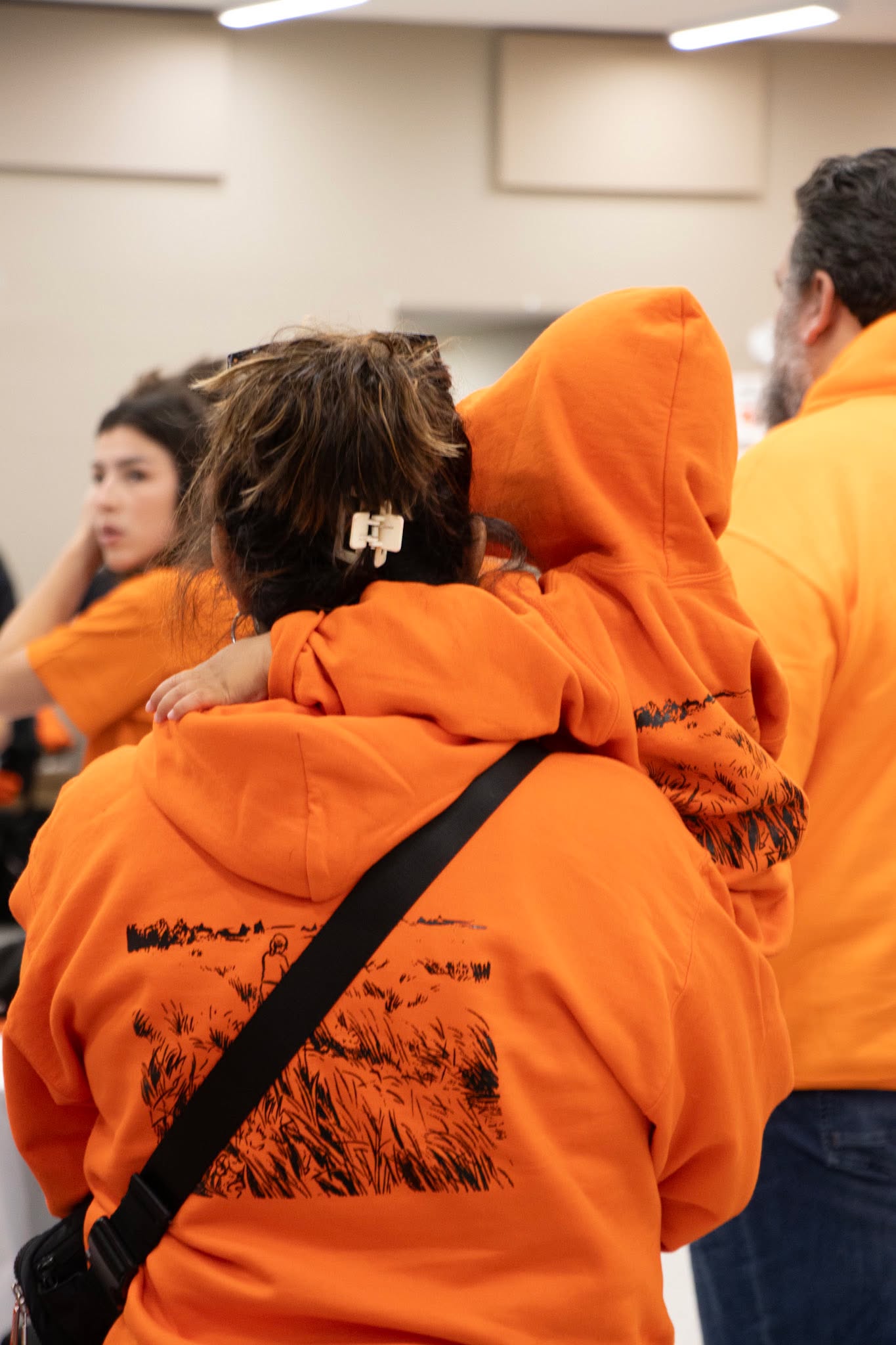
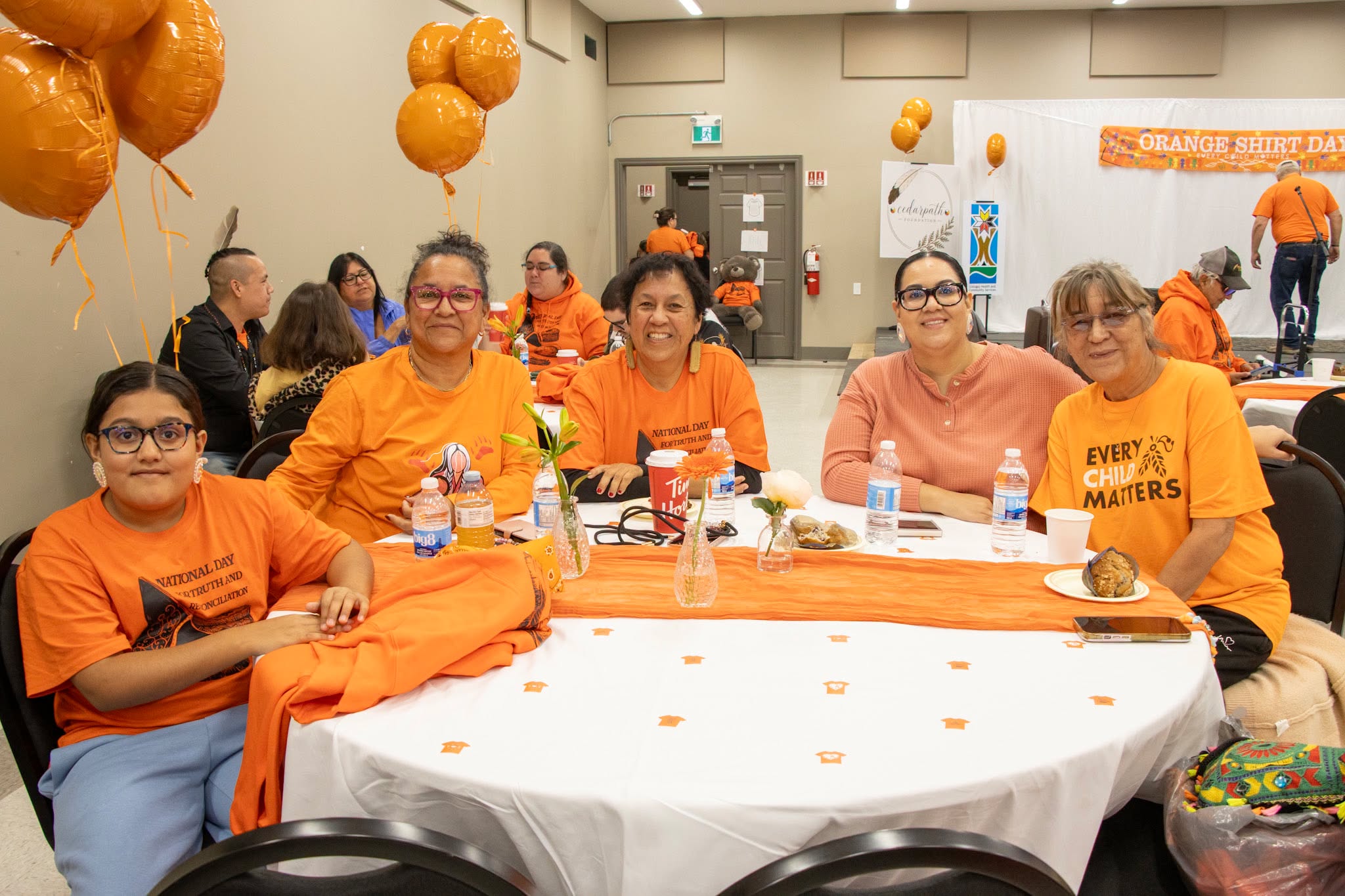
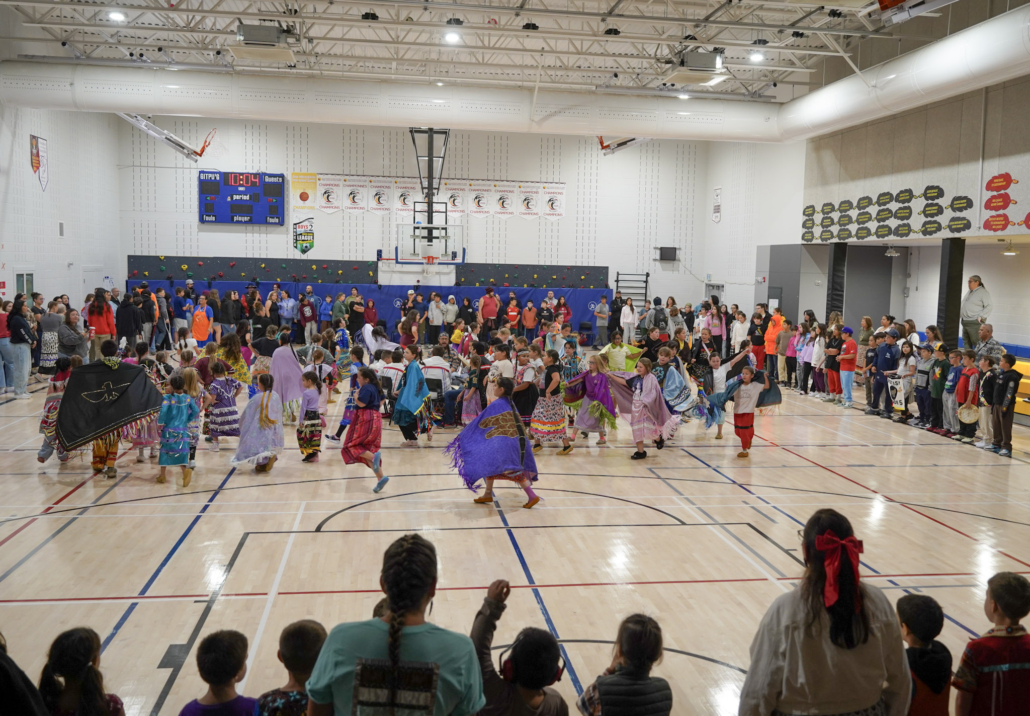
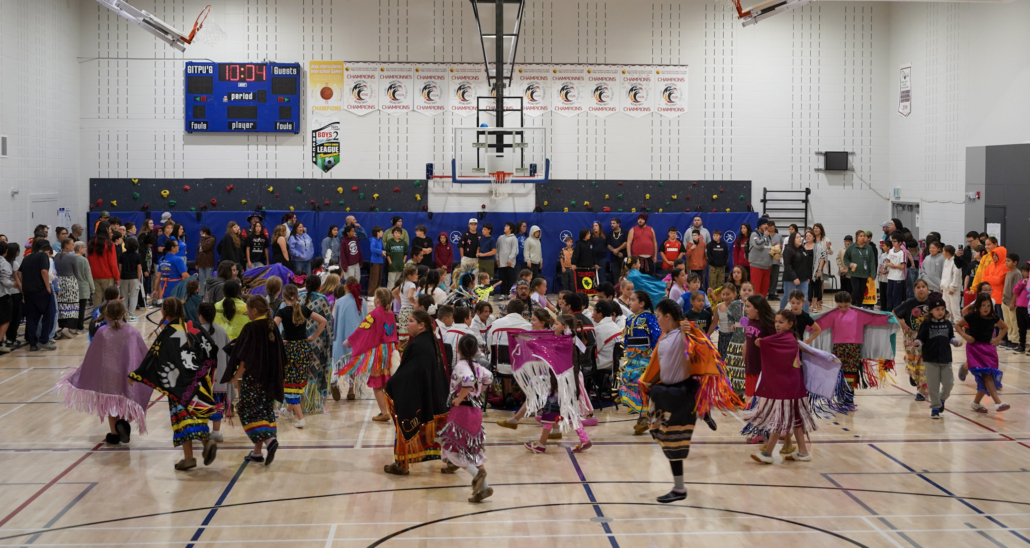
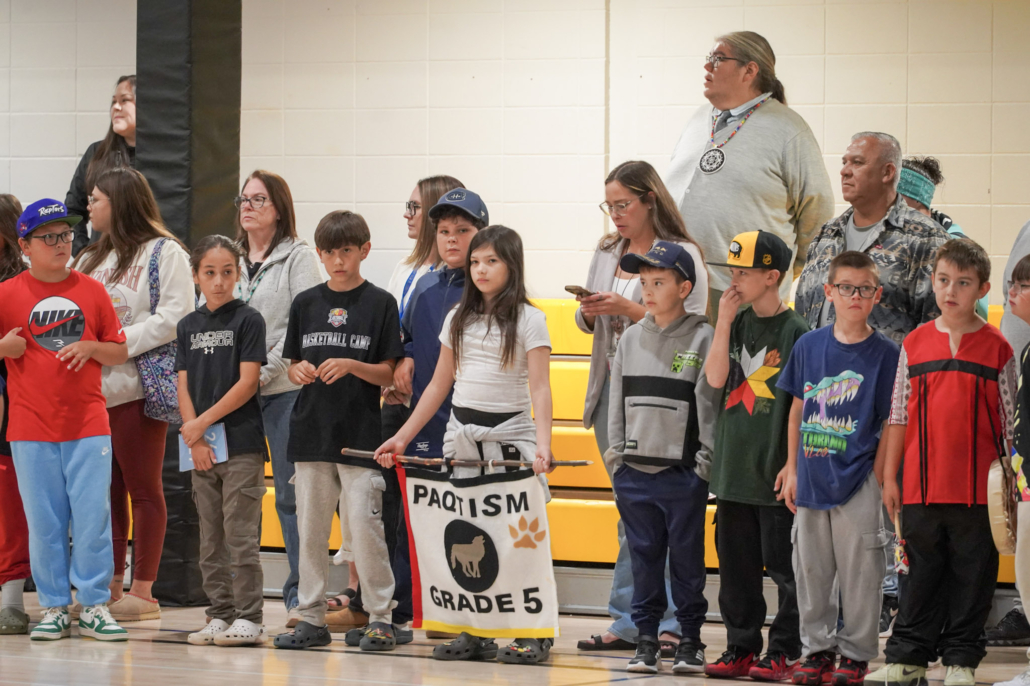
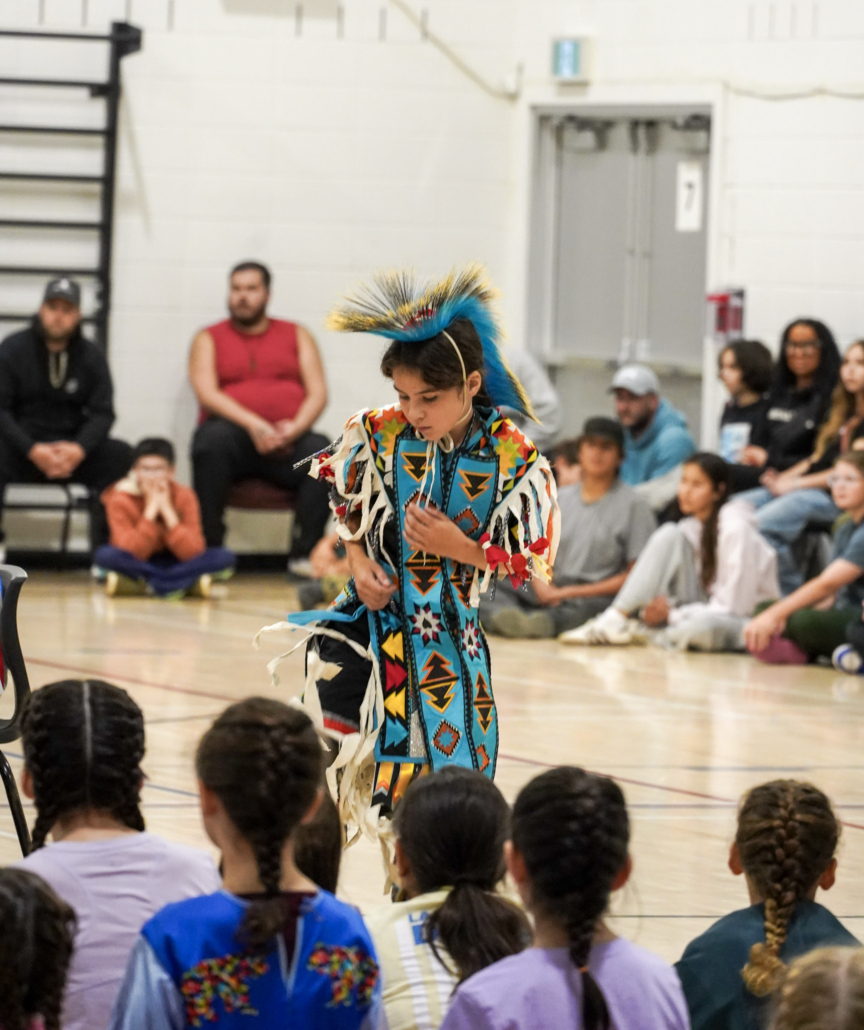
Truth and Reconciliation Event 2026

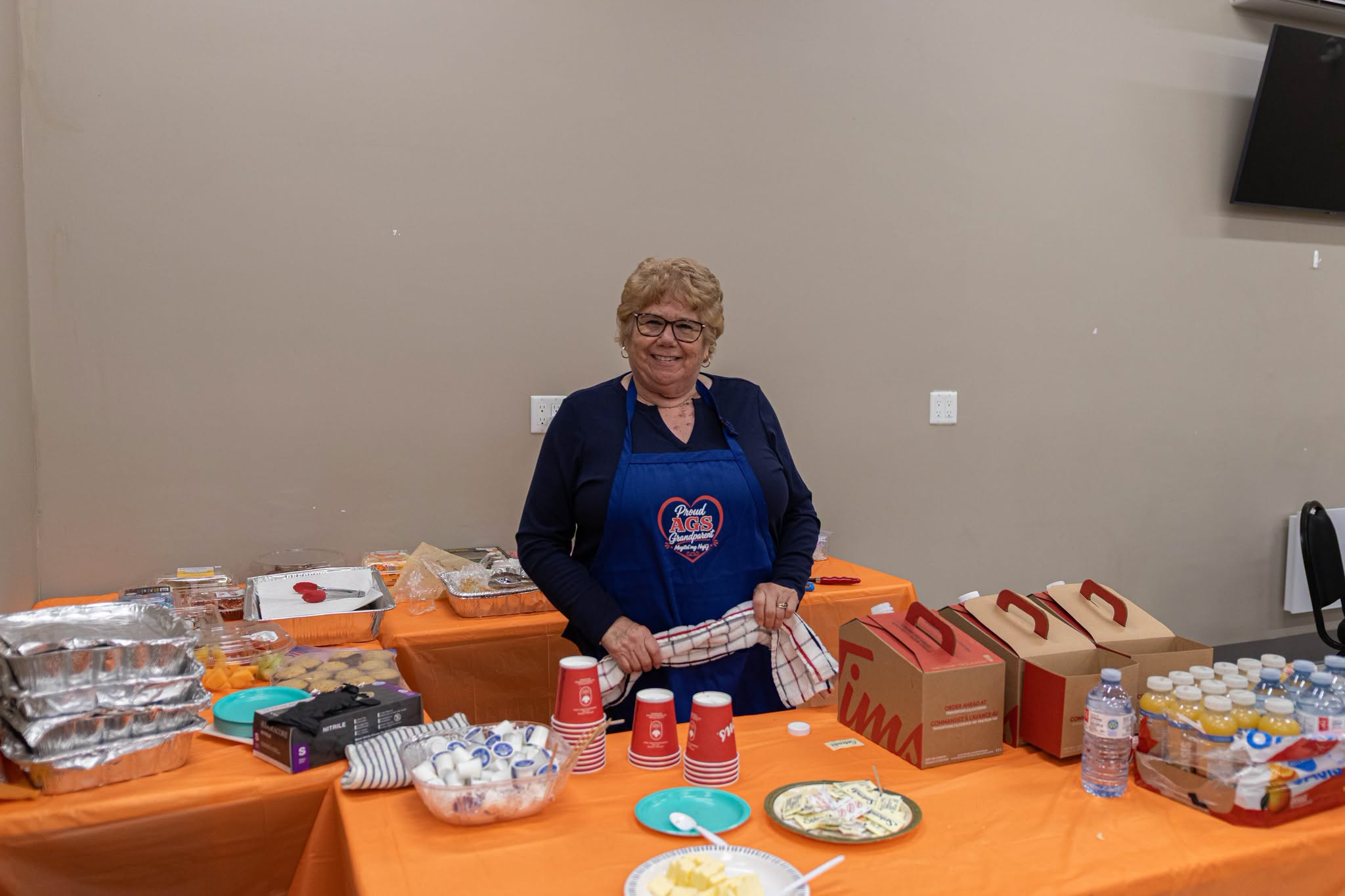
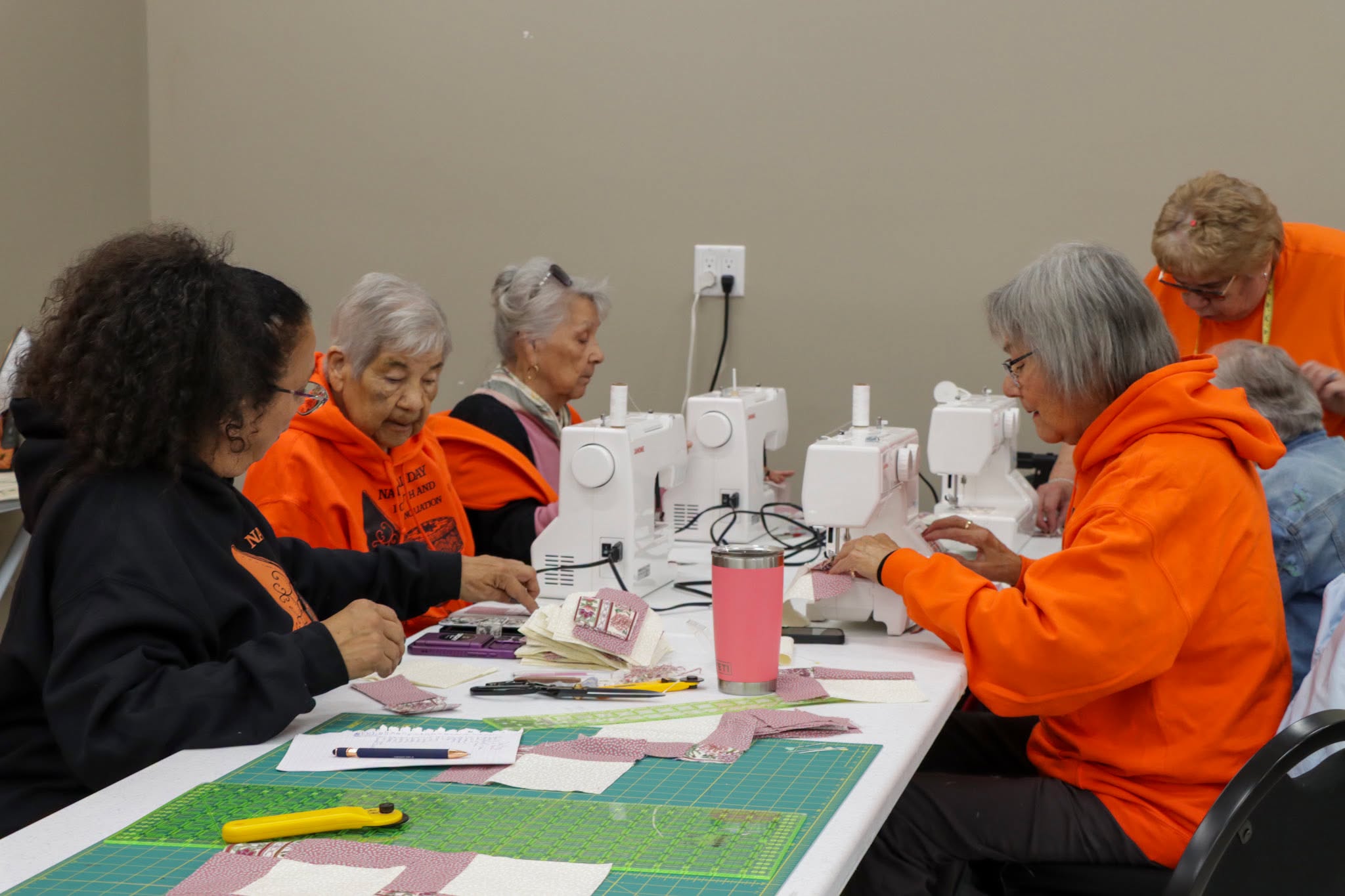
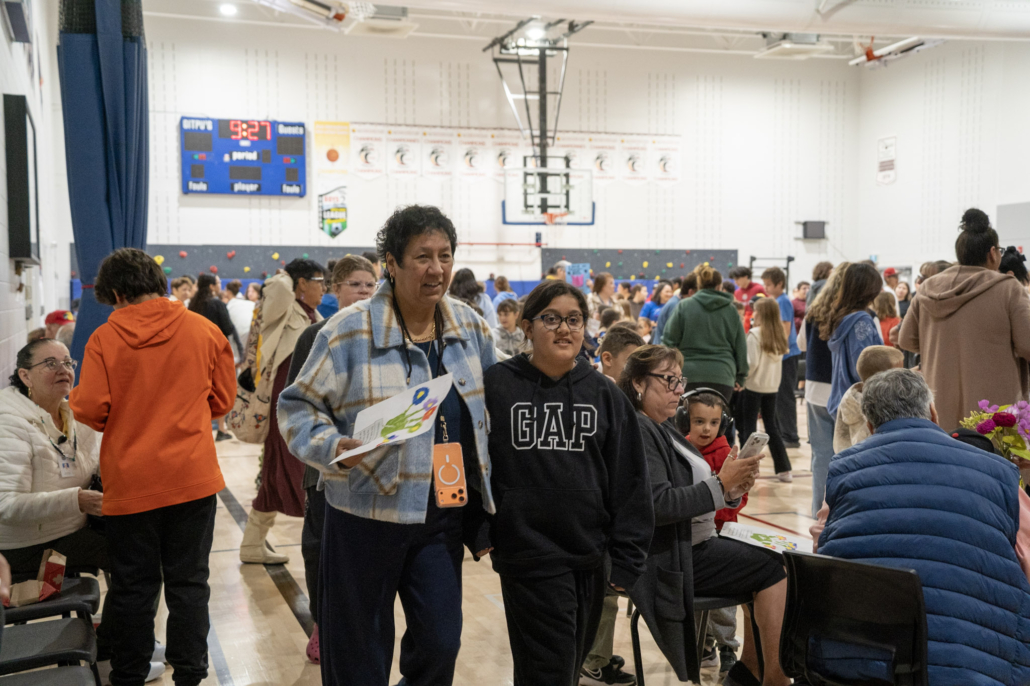
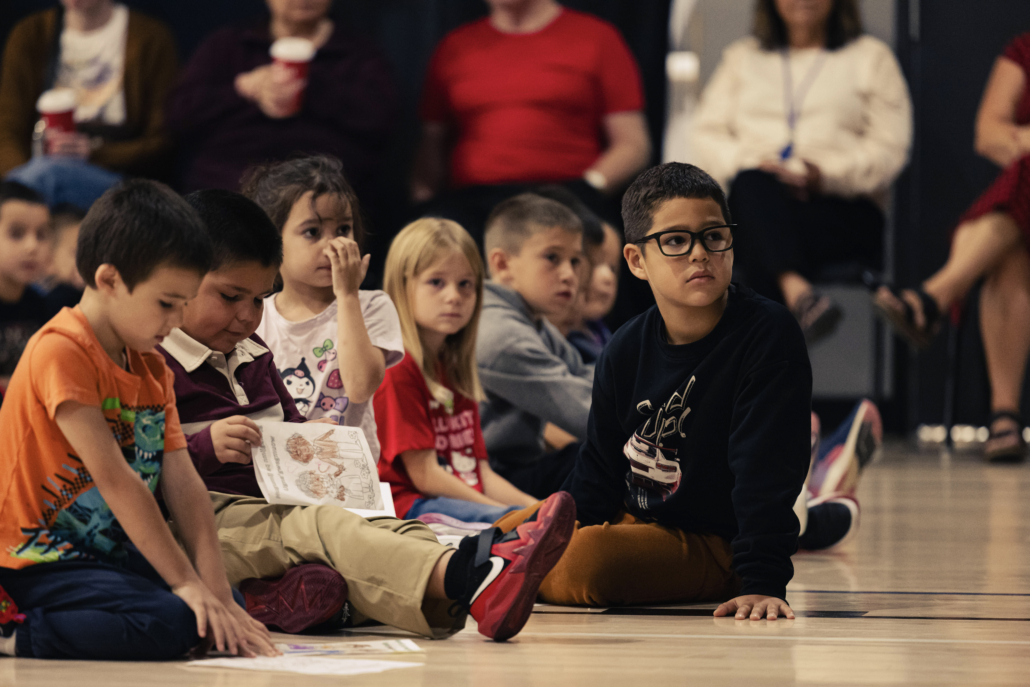
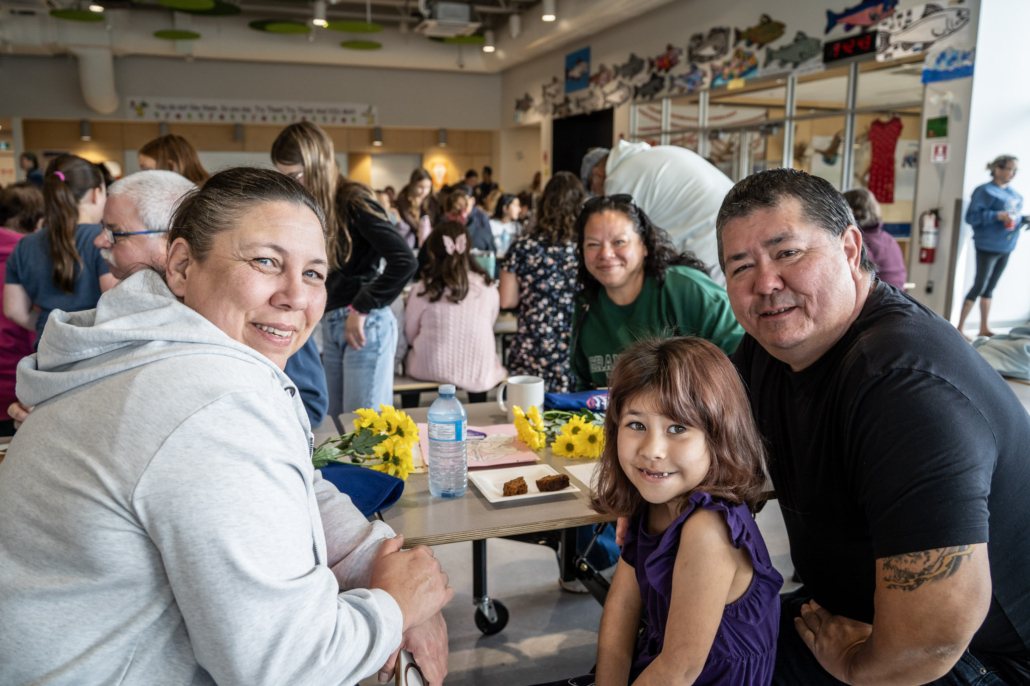
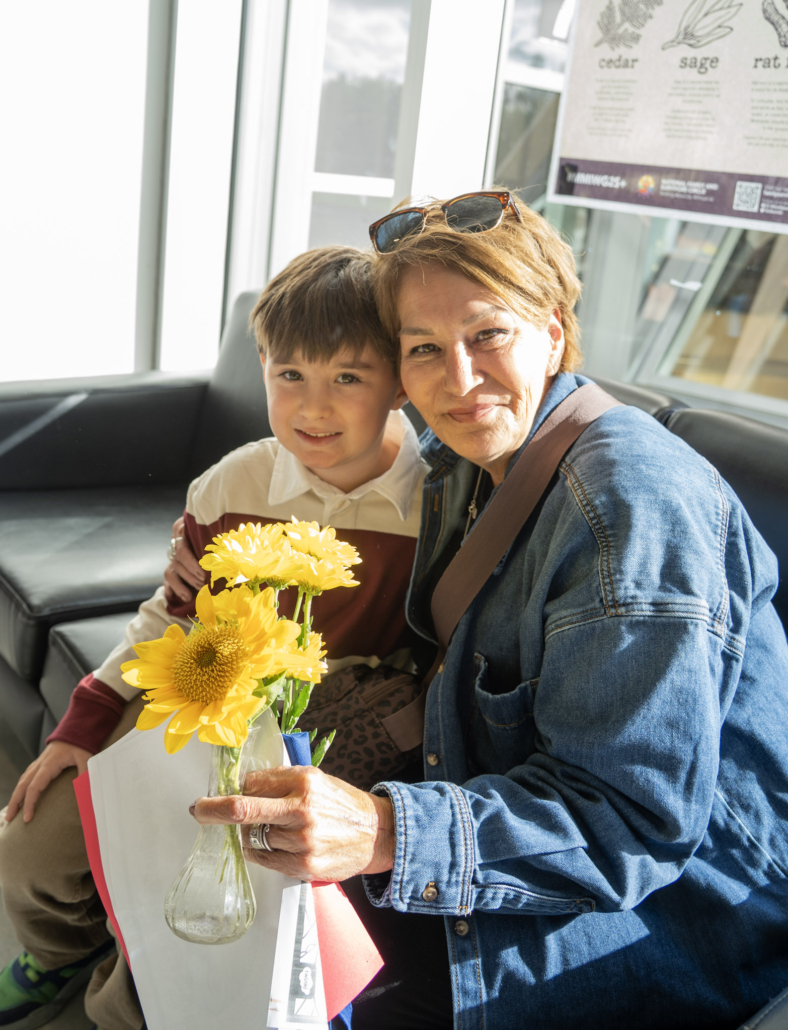
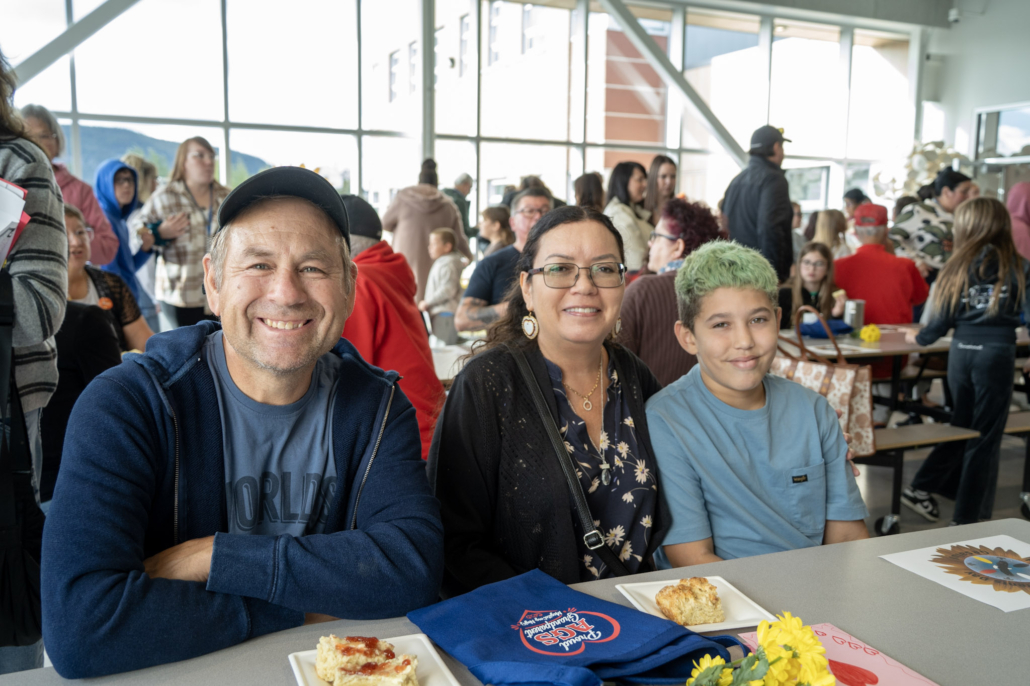
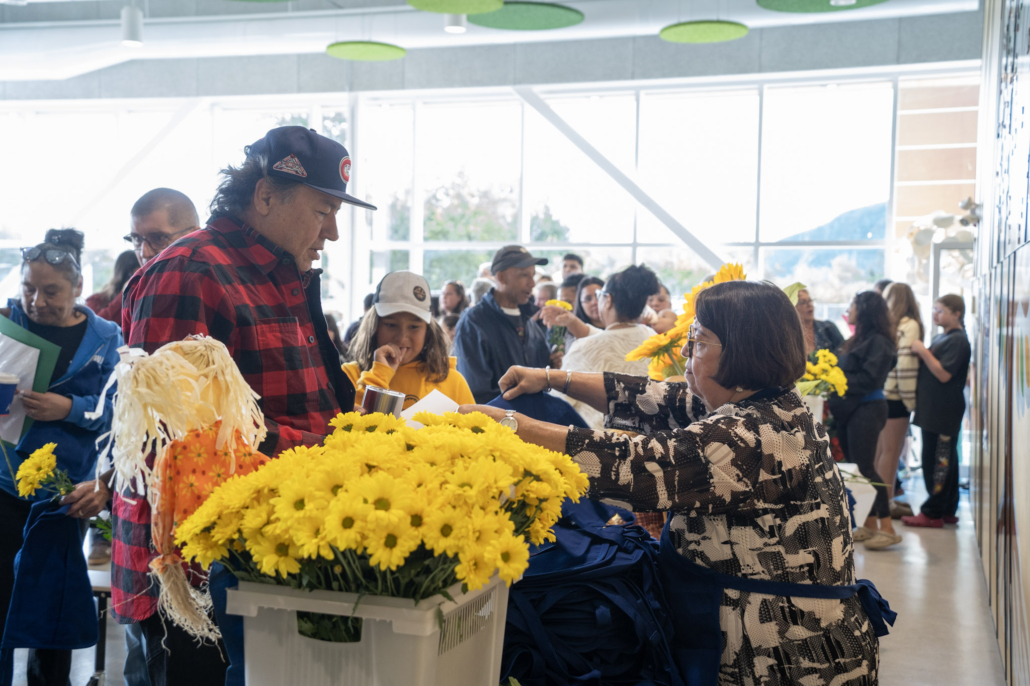
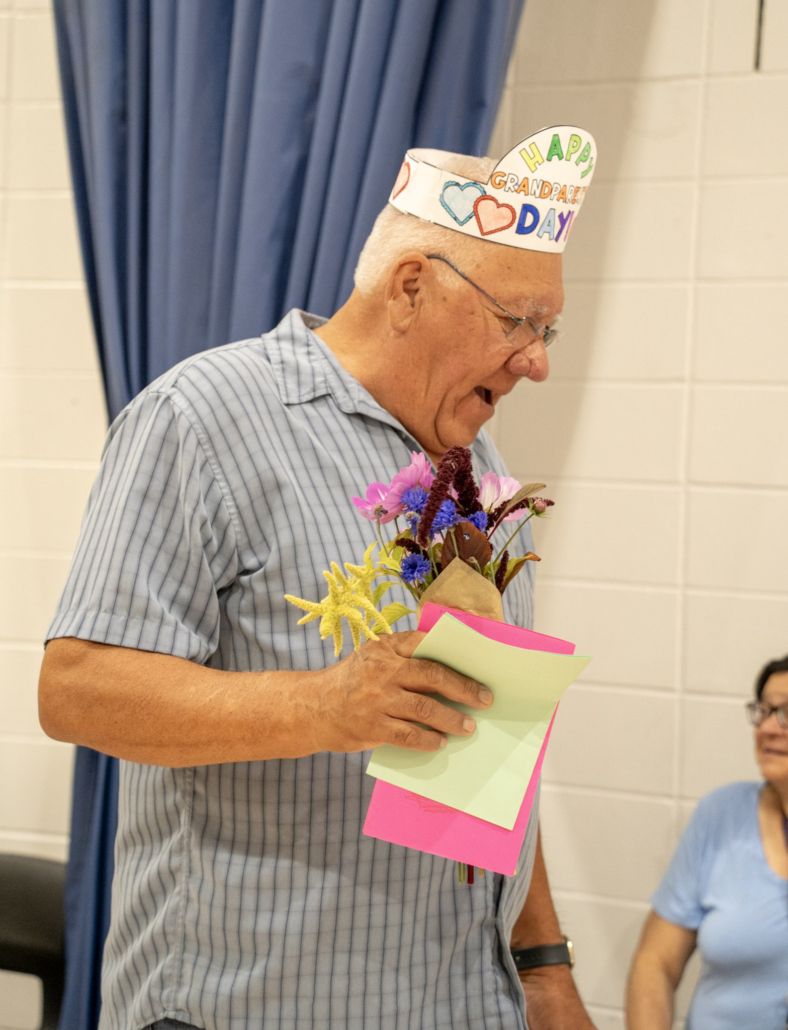
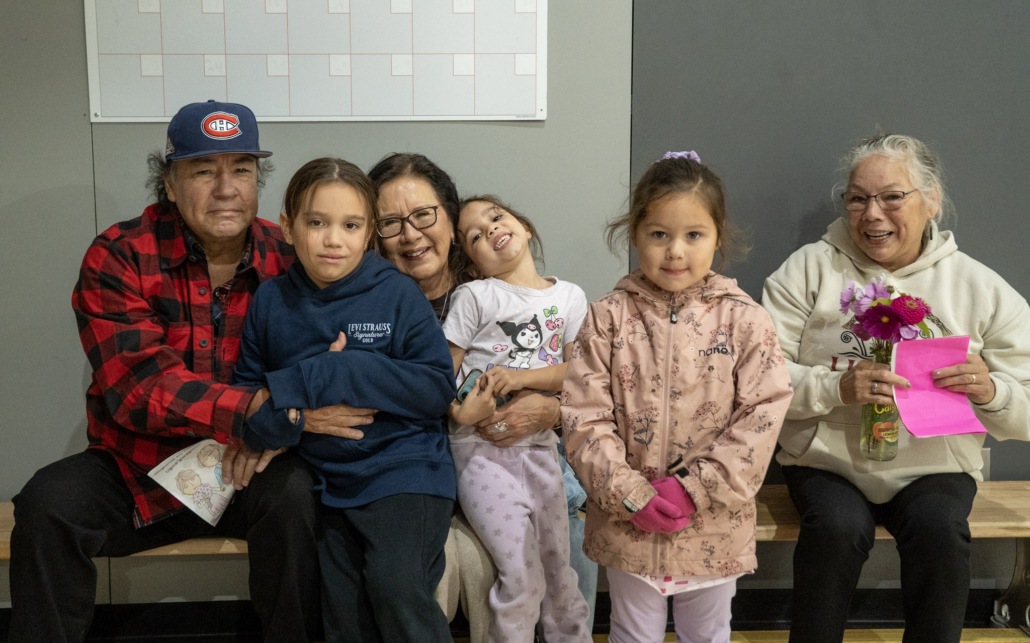
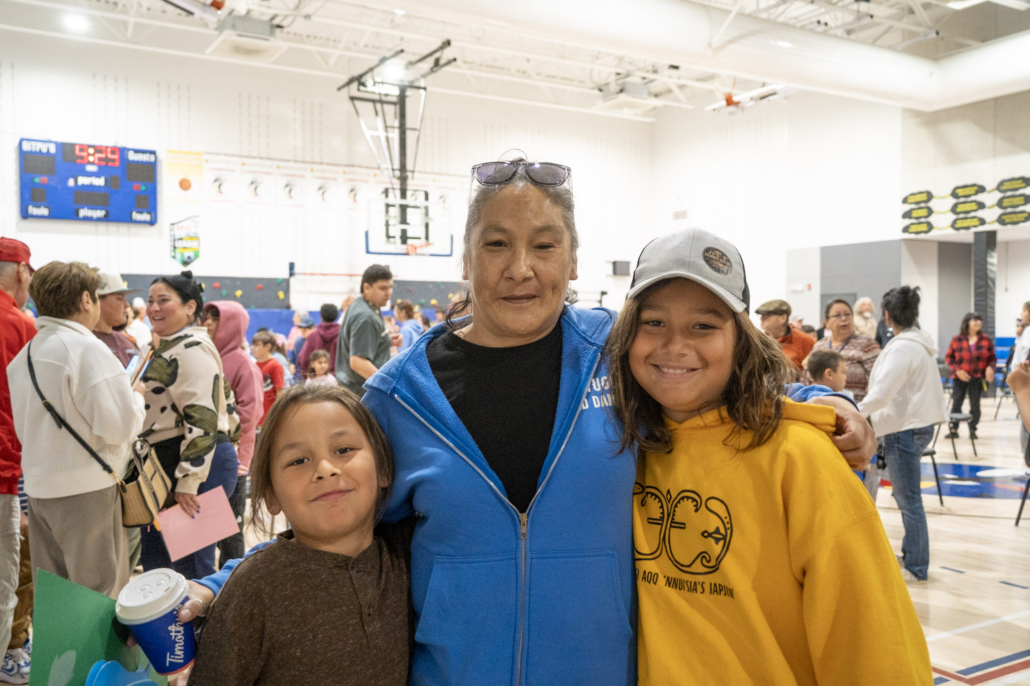
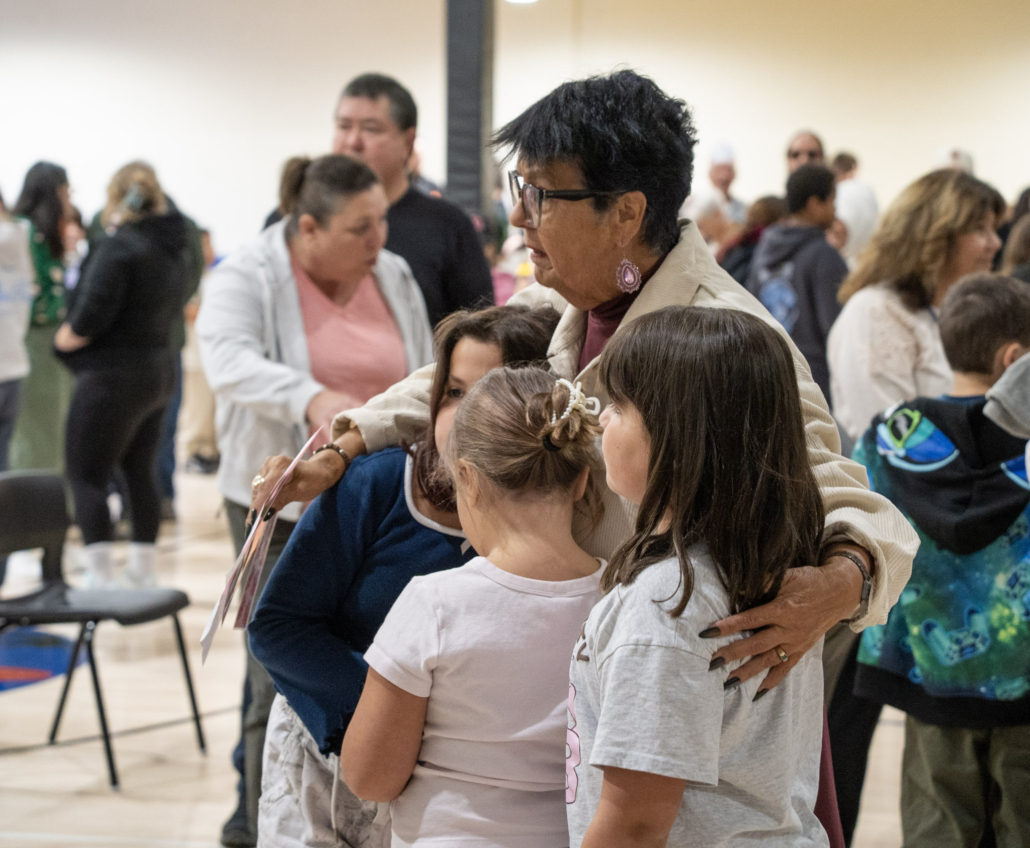
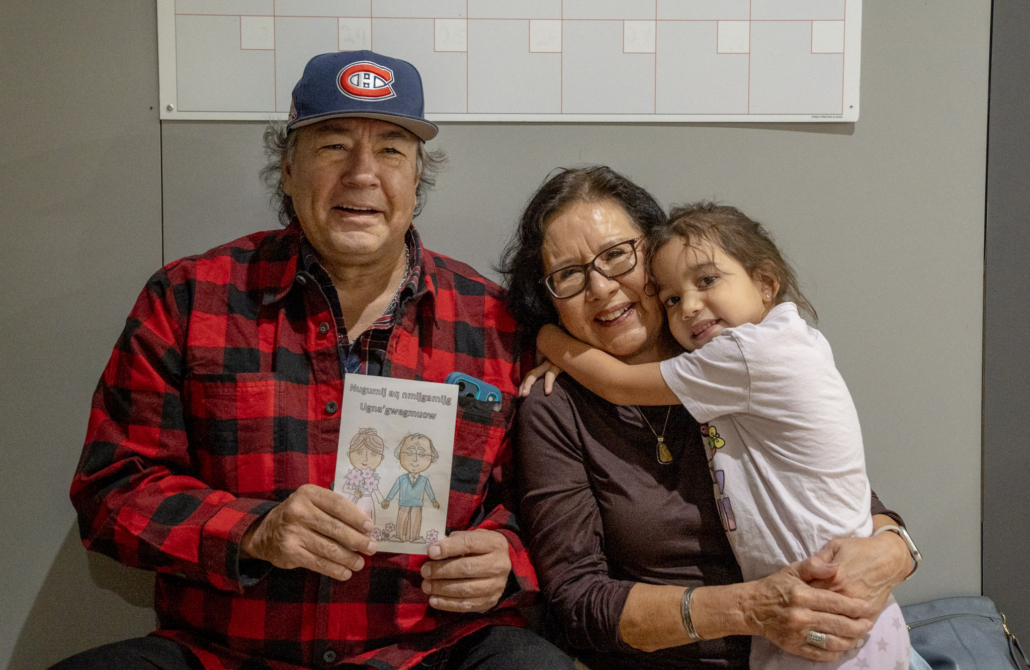
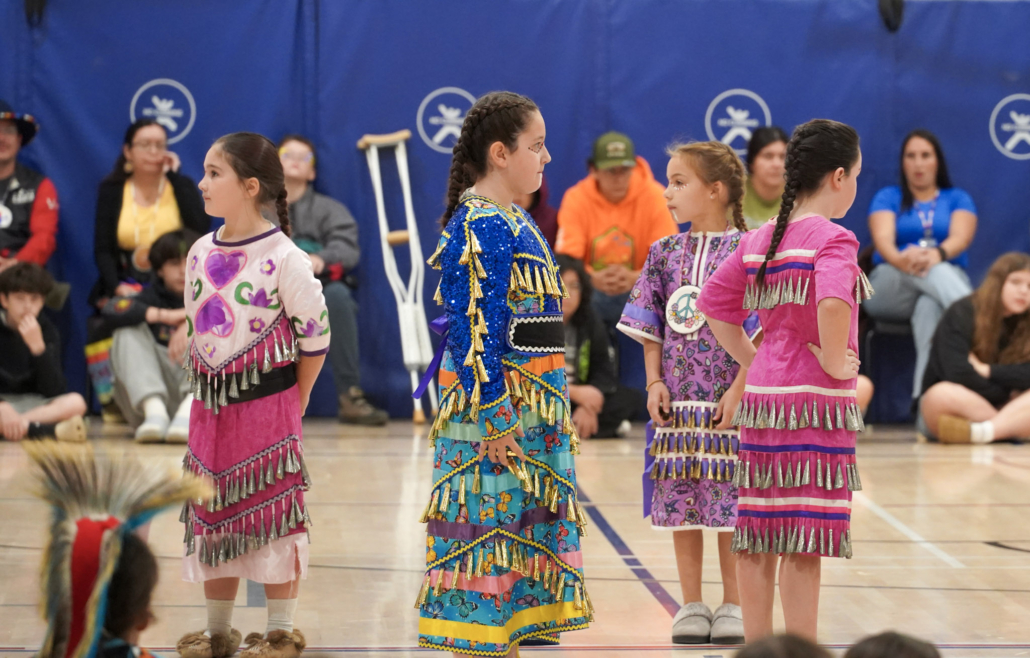
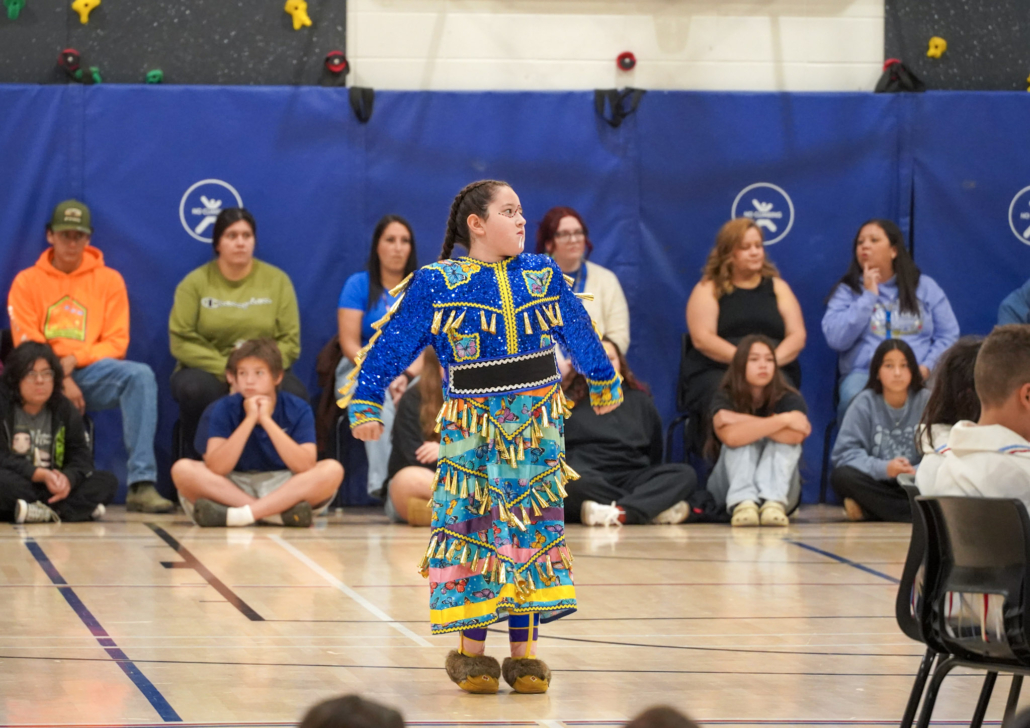
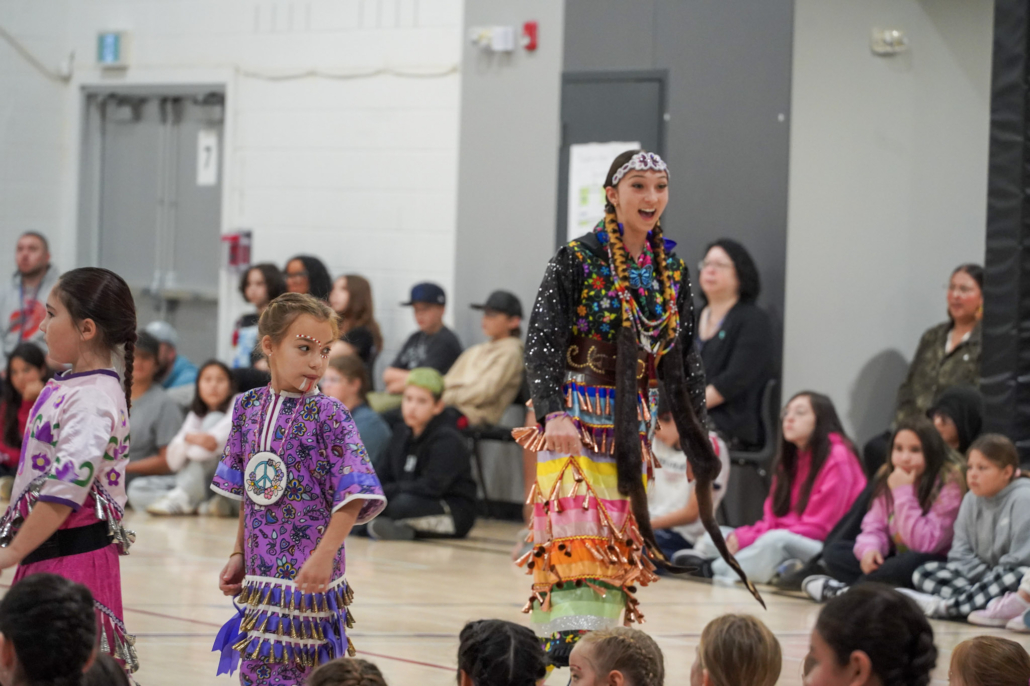
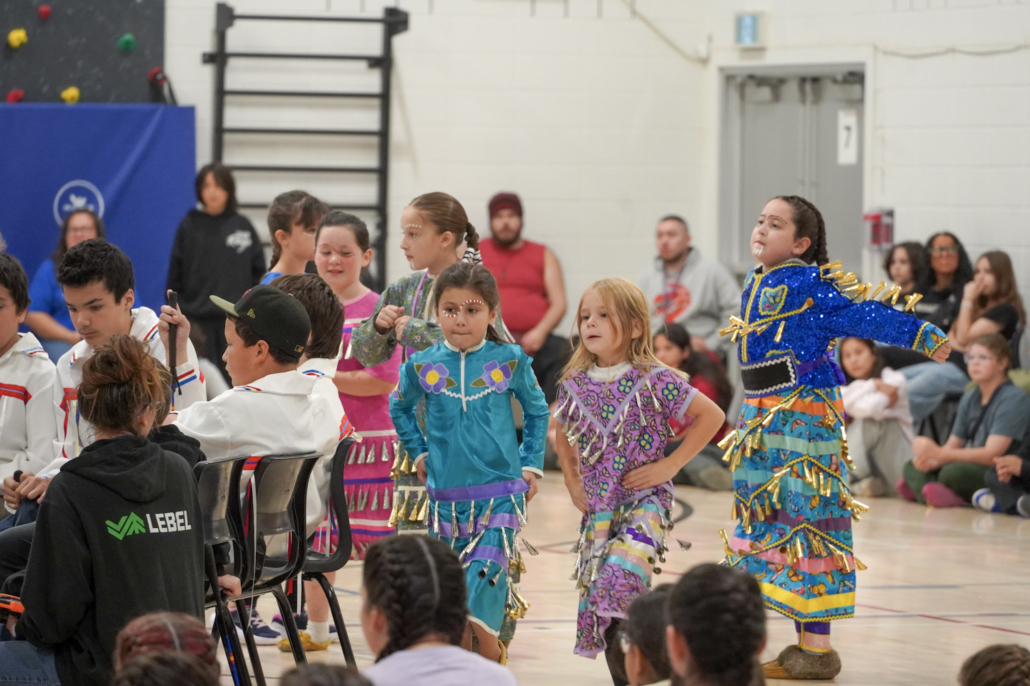
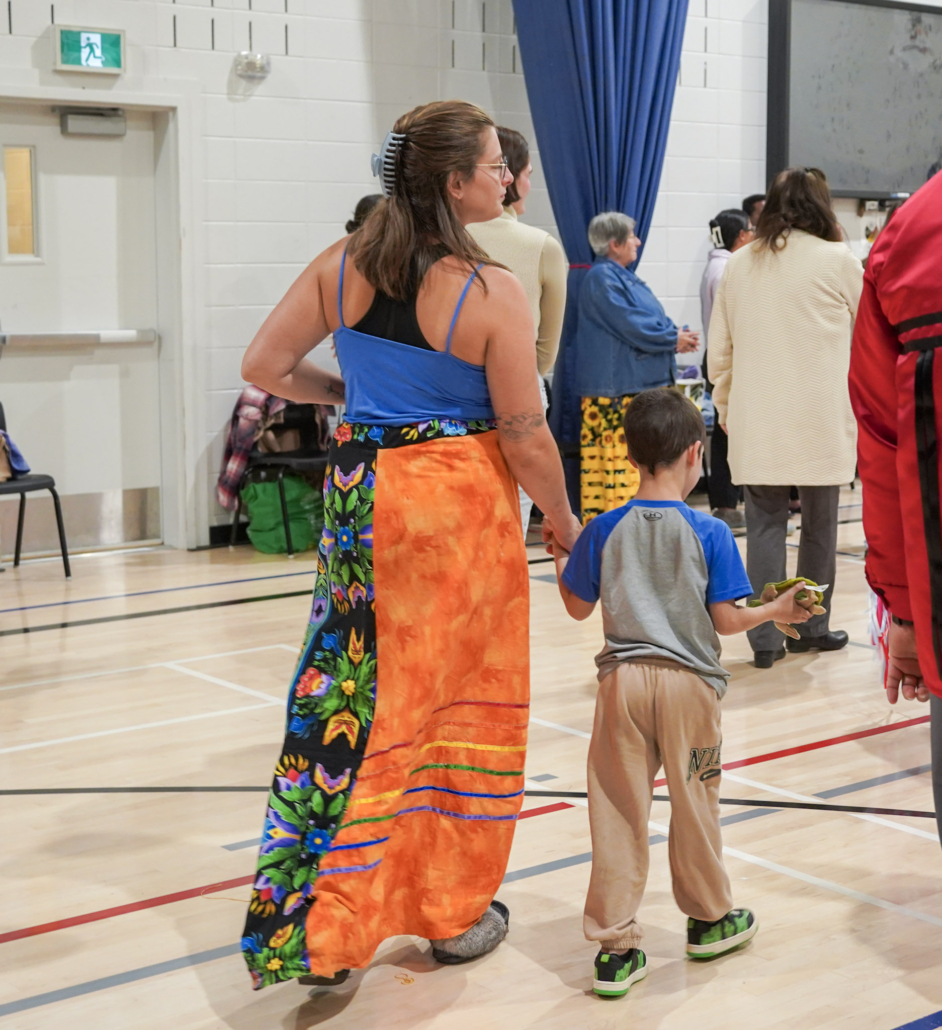
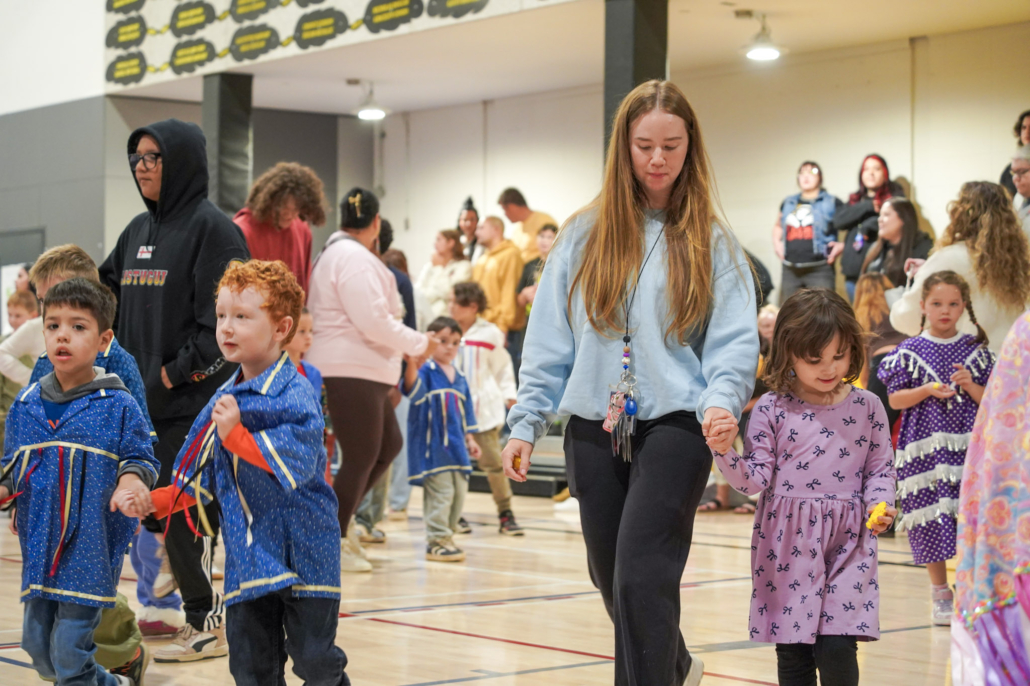
Grandparents Day

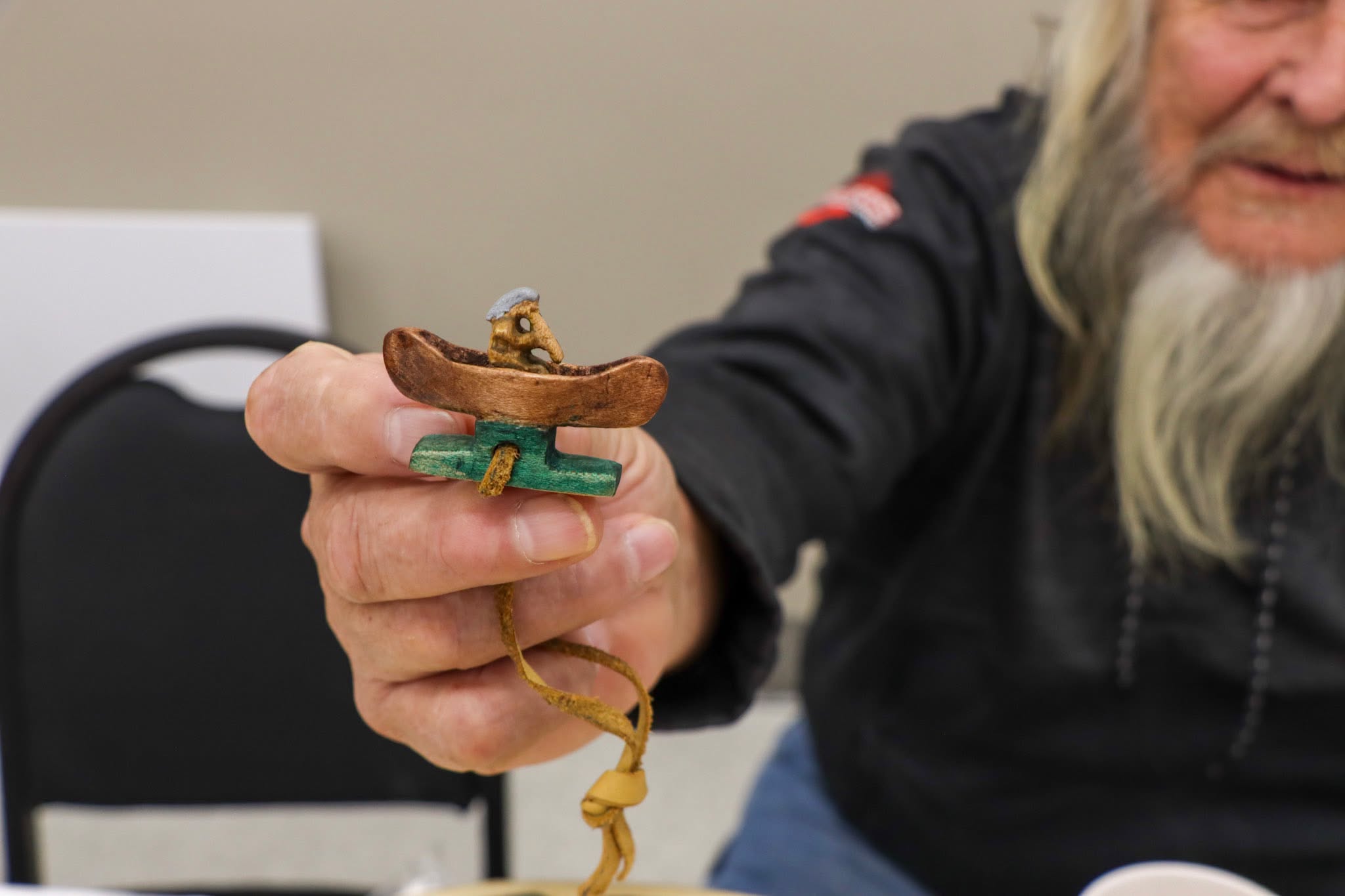
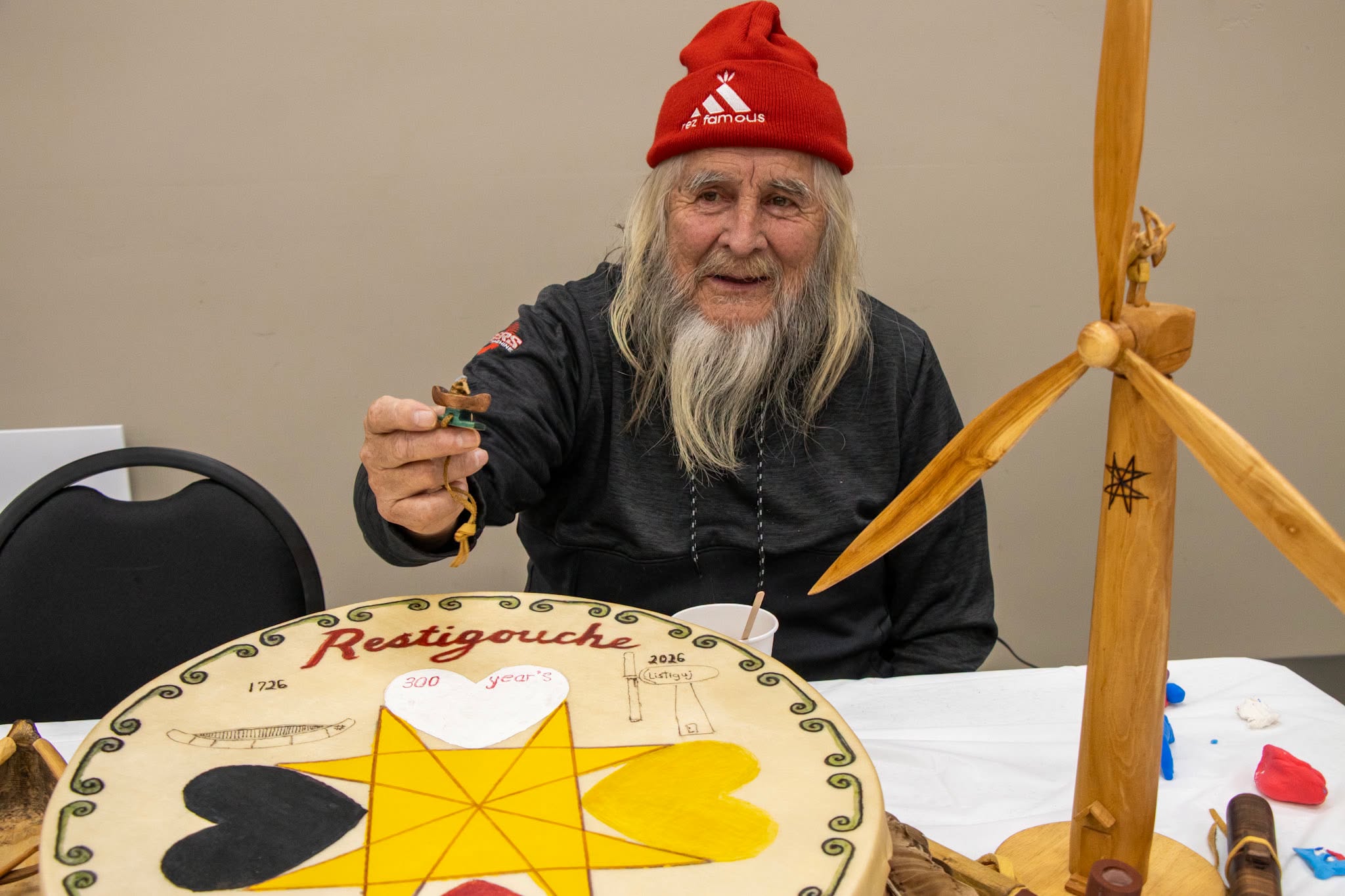
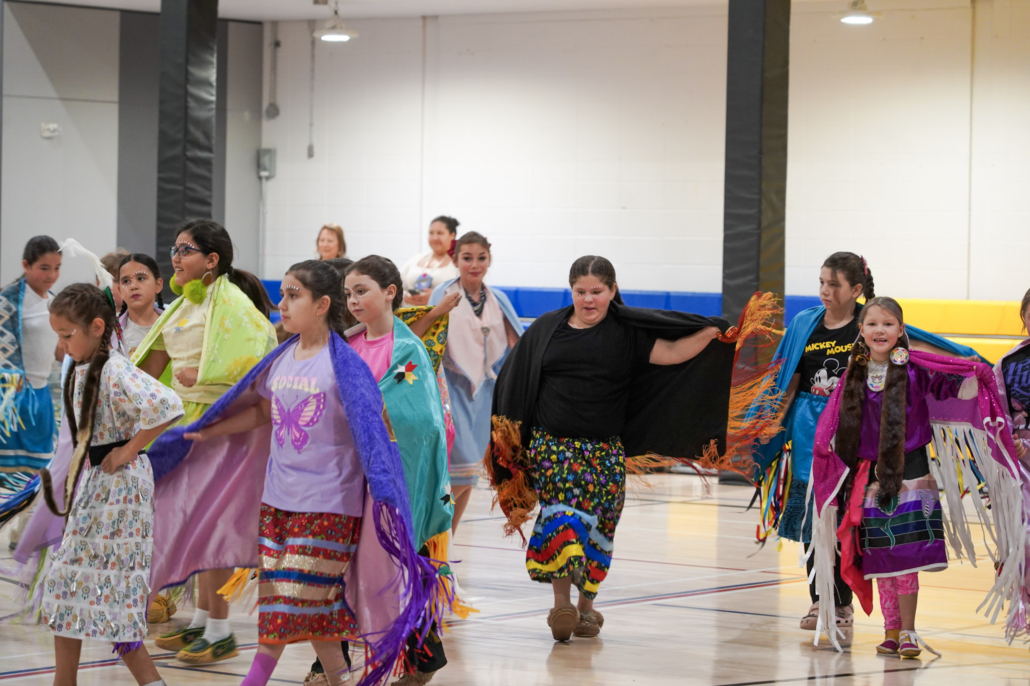
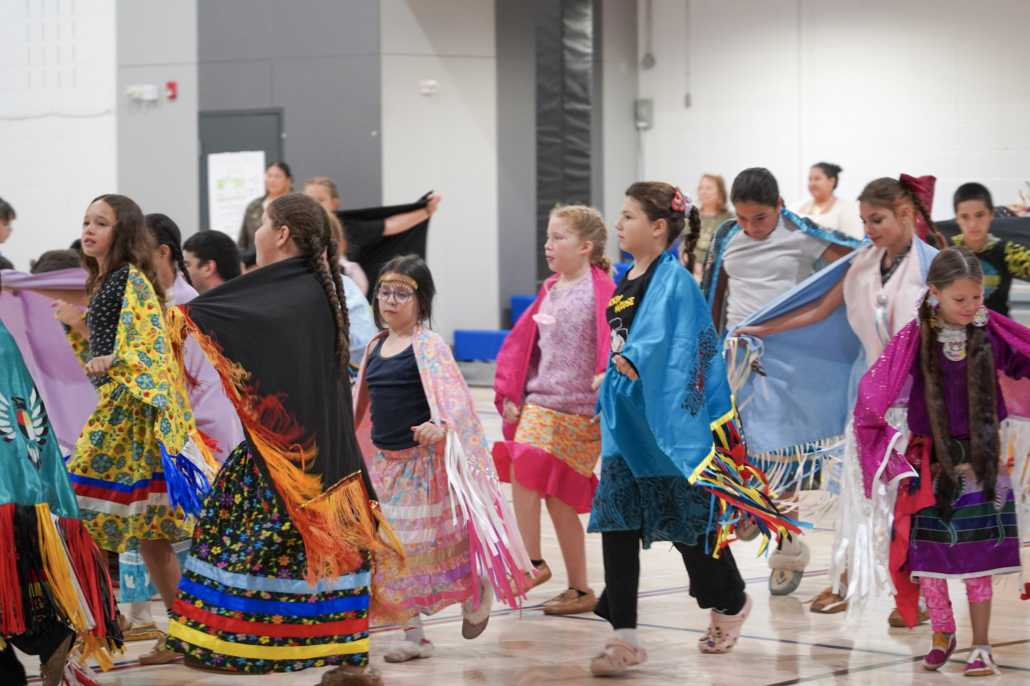
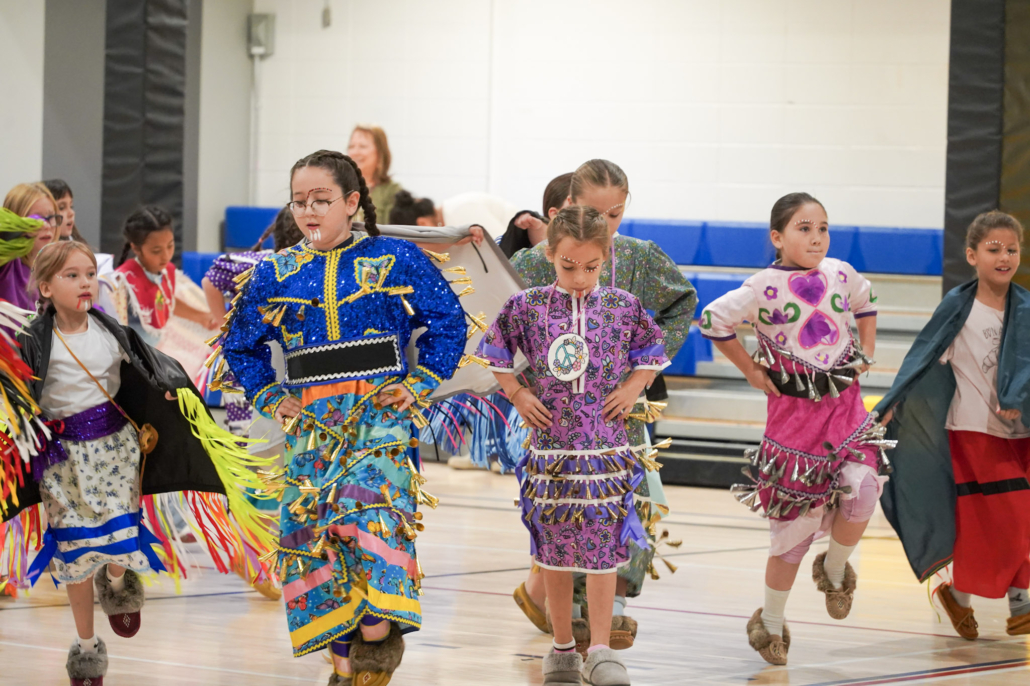
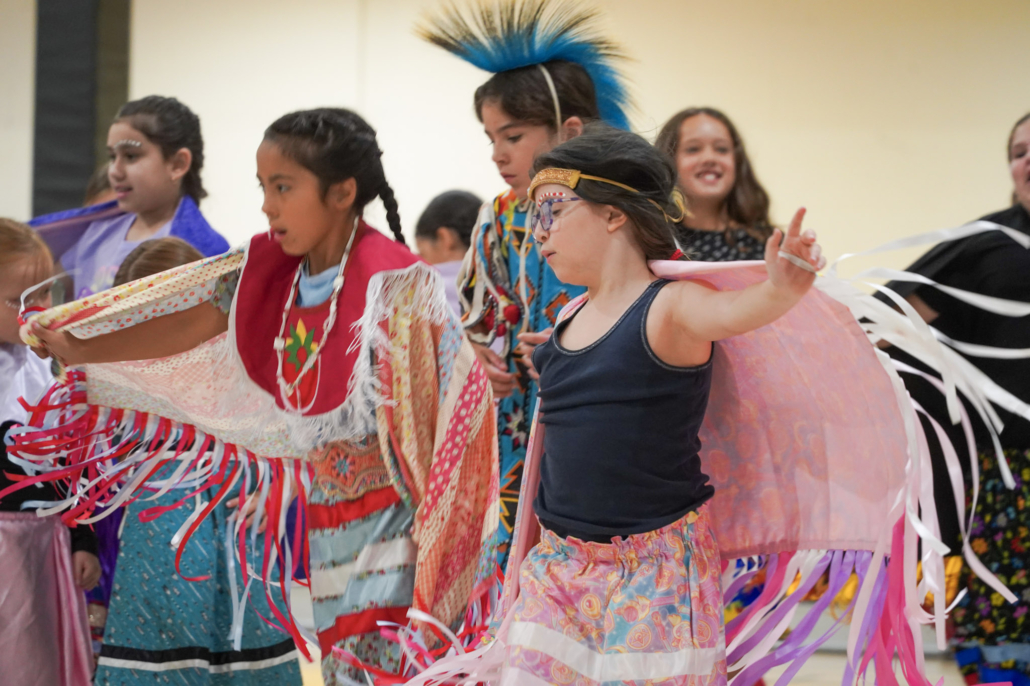
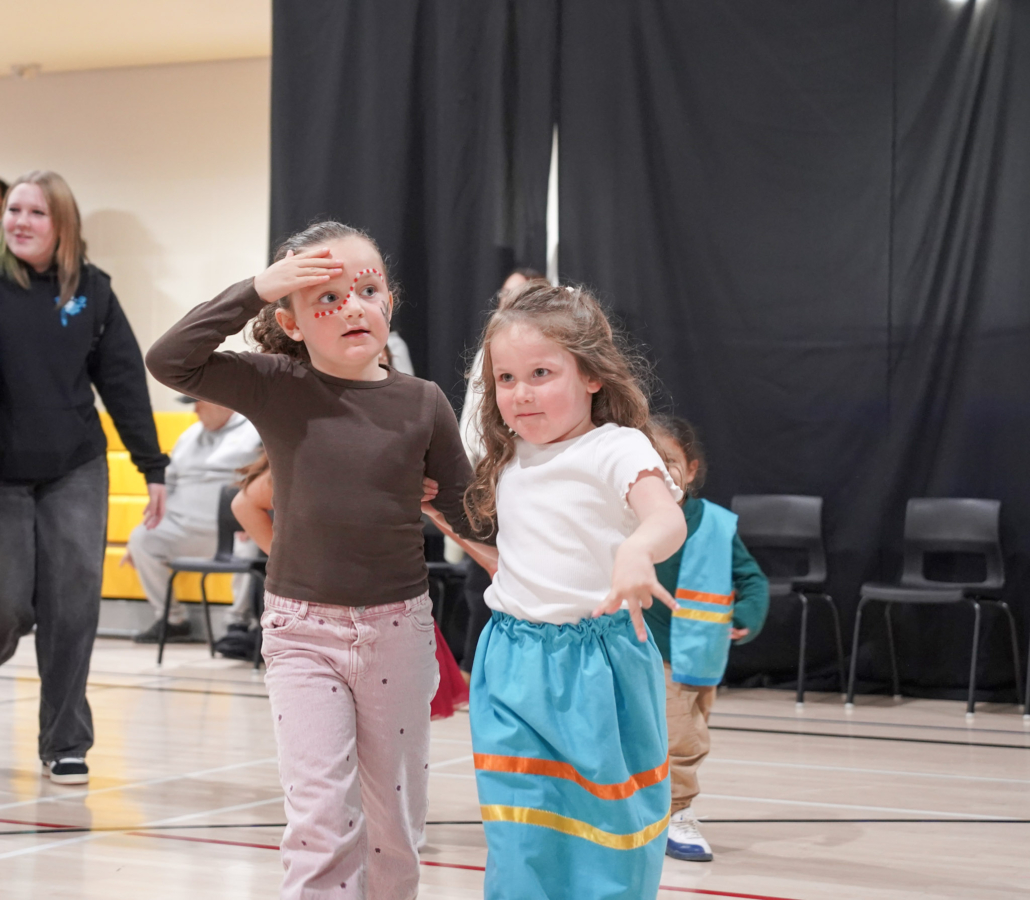
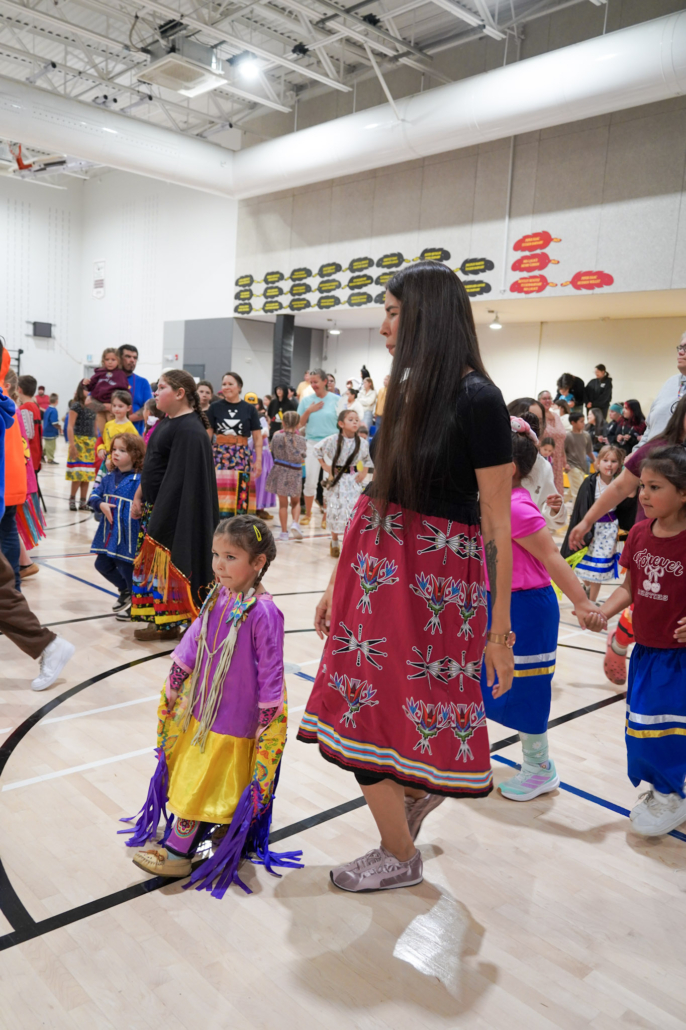
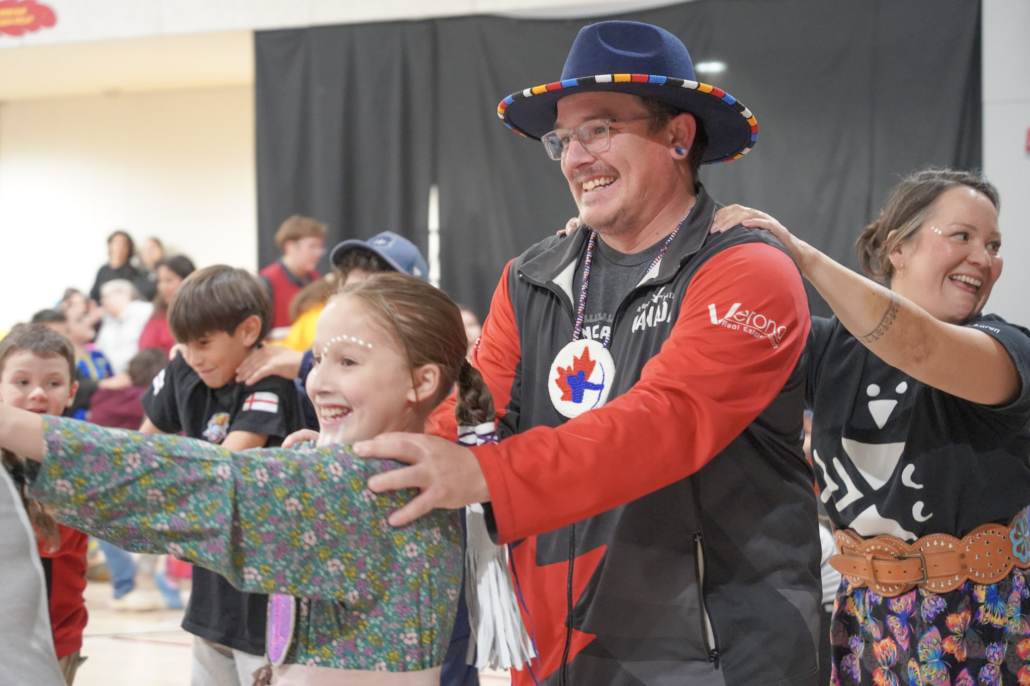
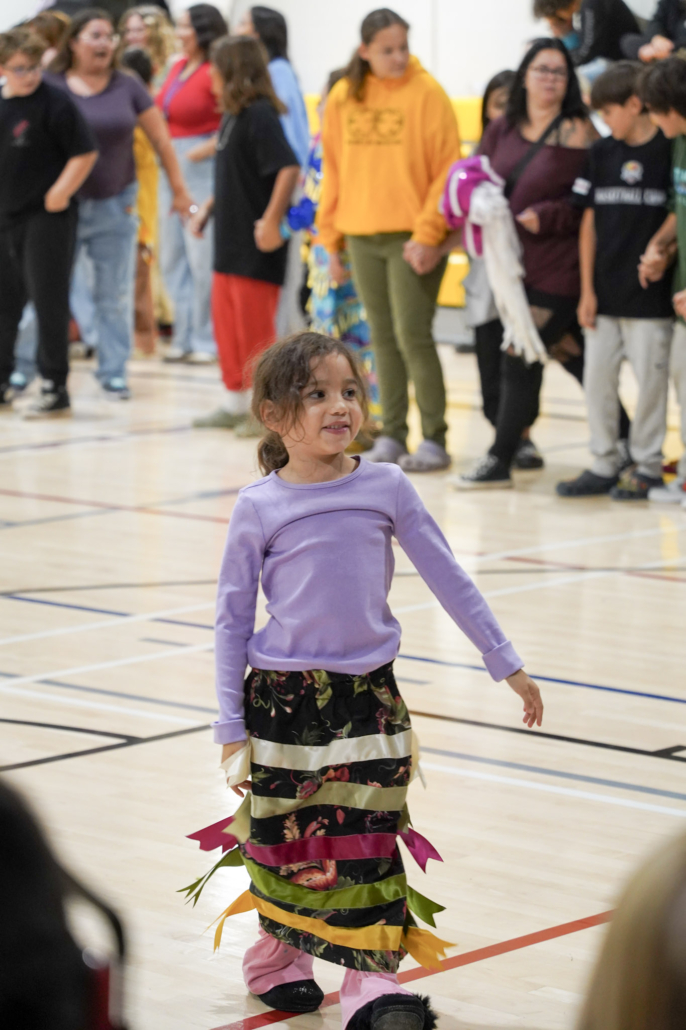
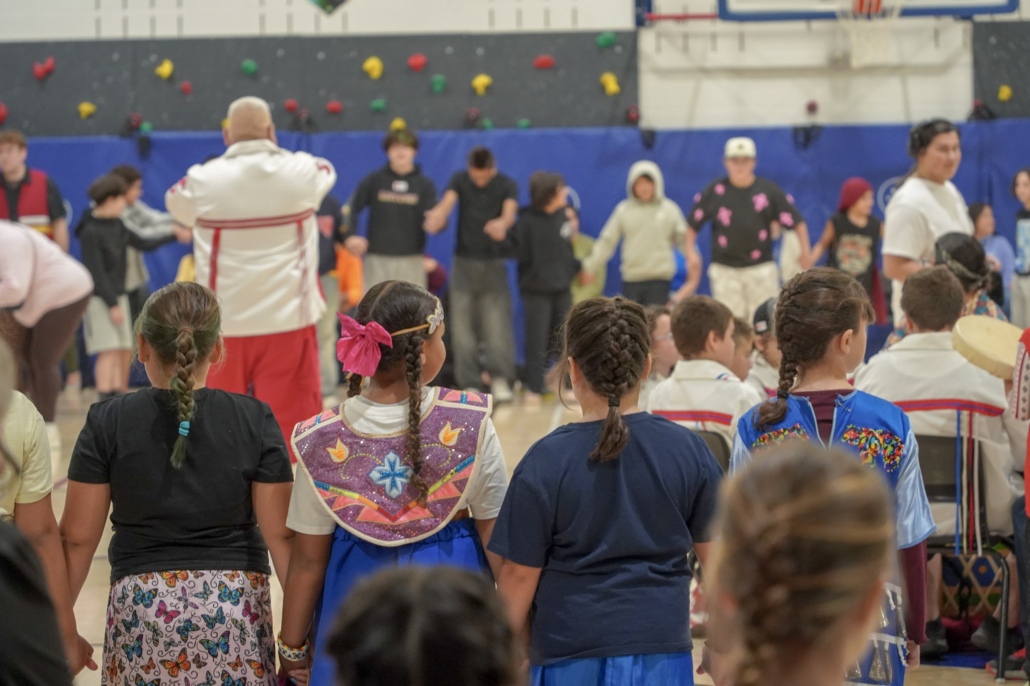
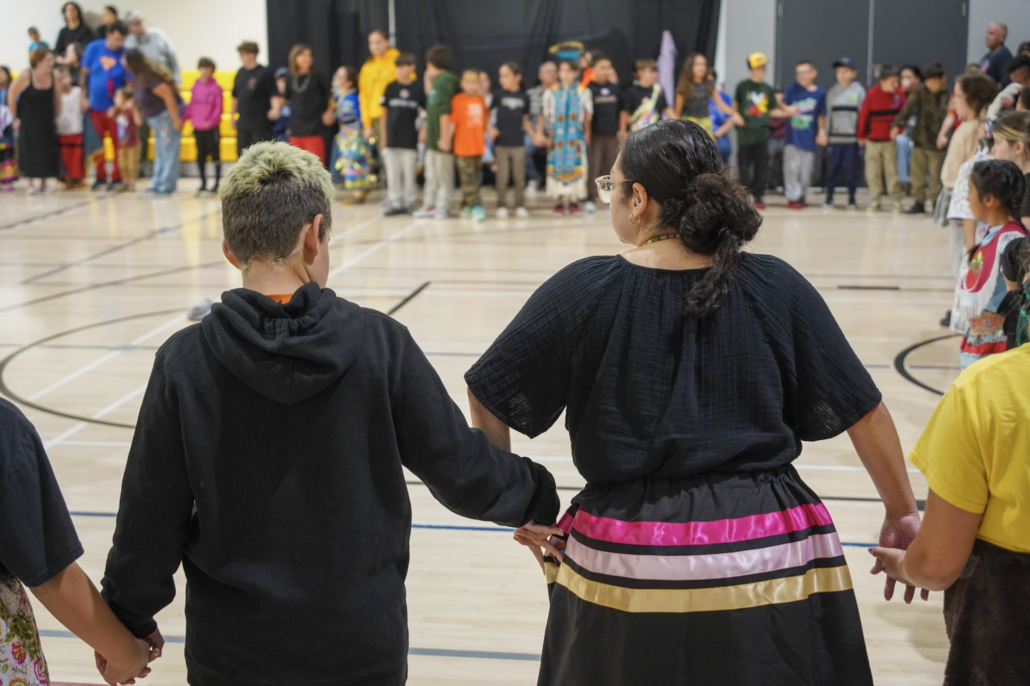
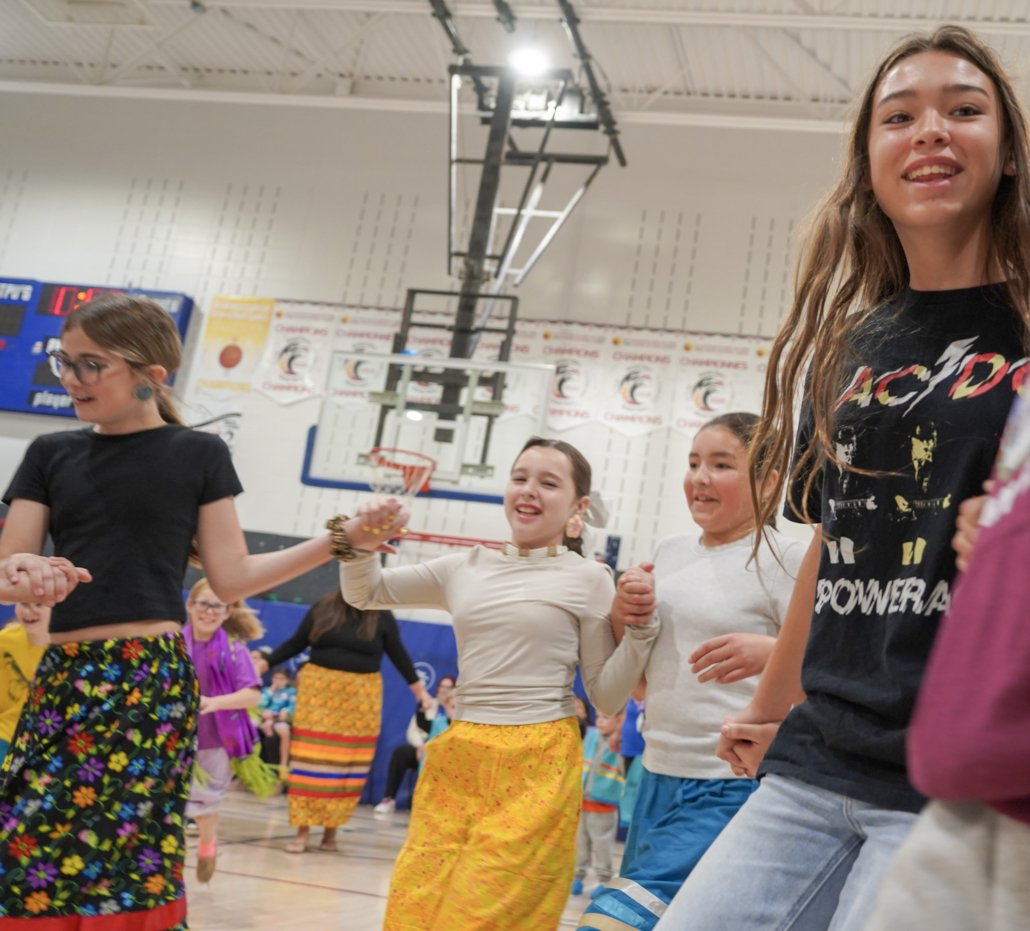
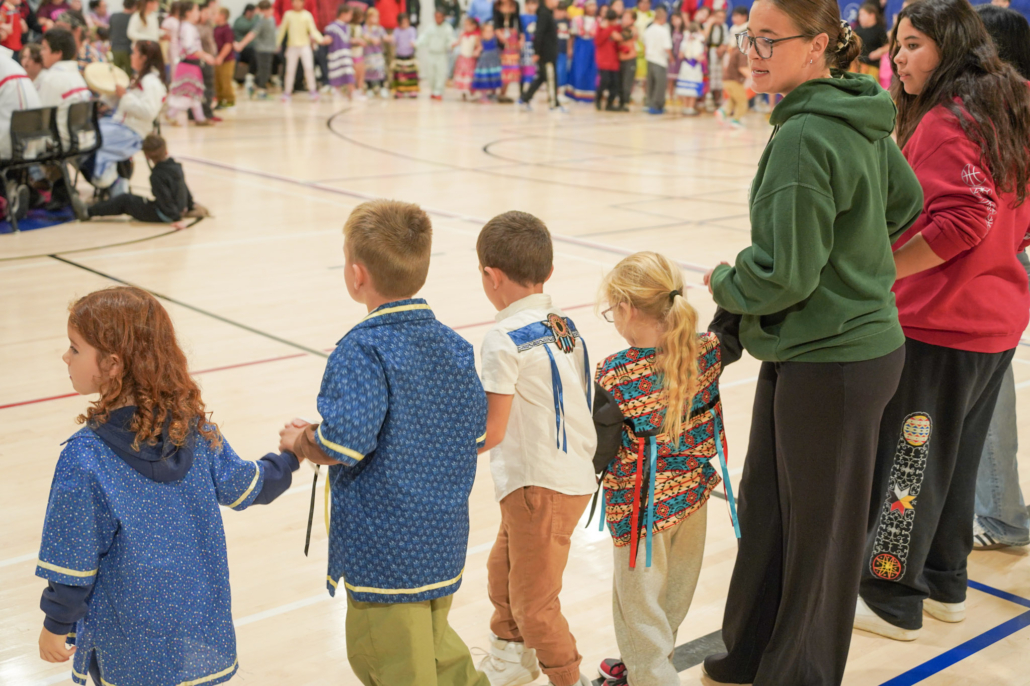
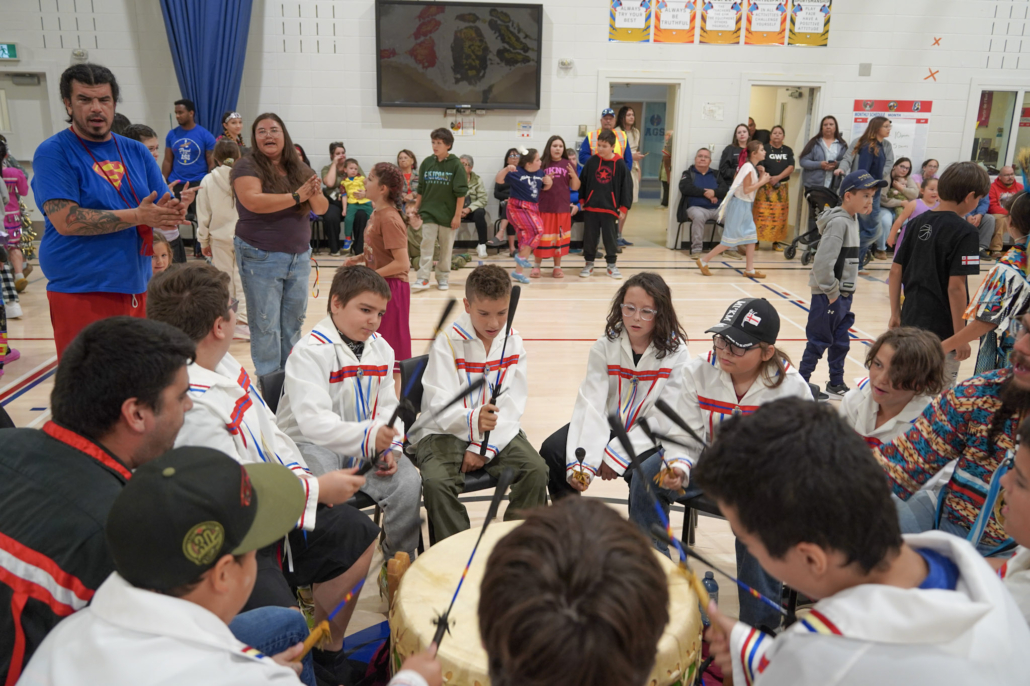
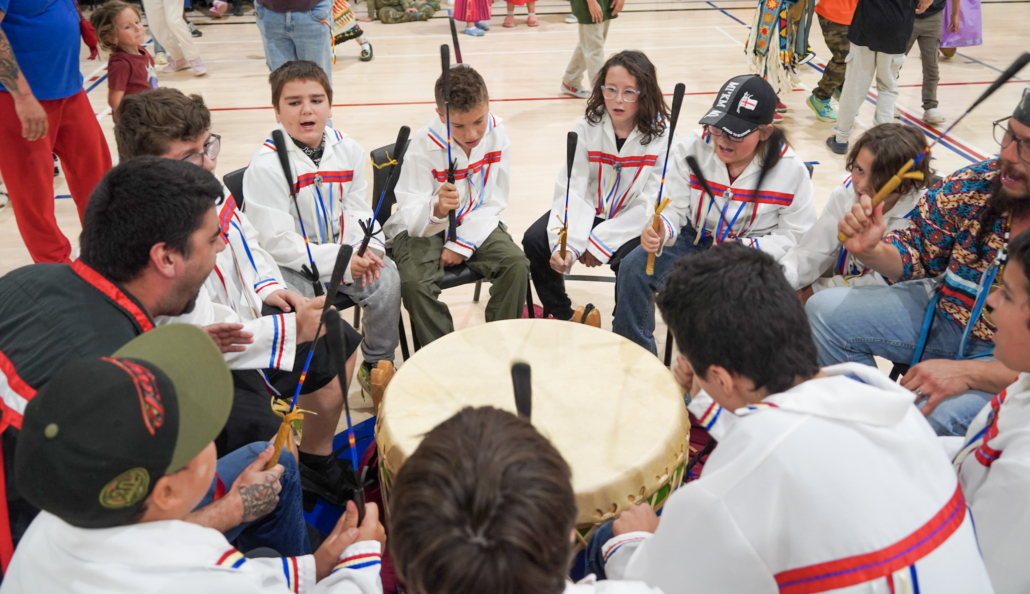
Towa’q Culture Day 2026

REZ D.A.W.G.S

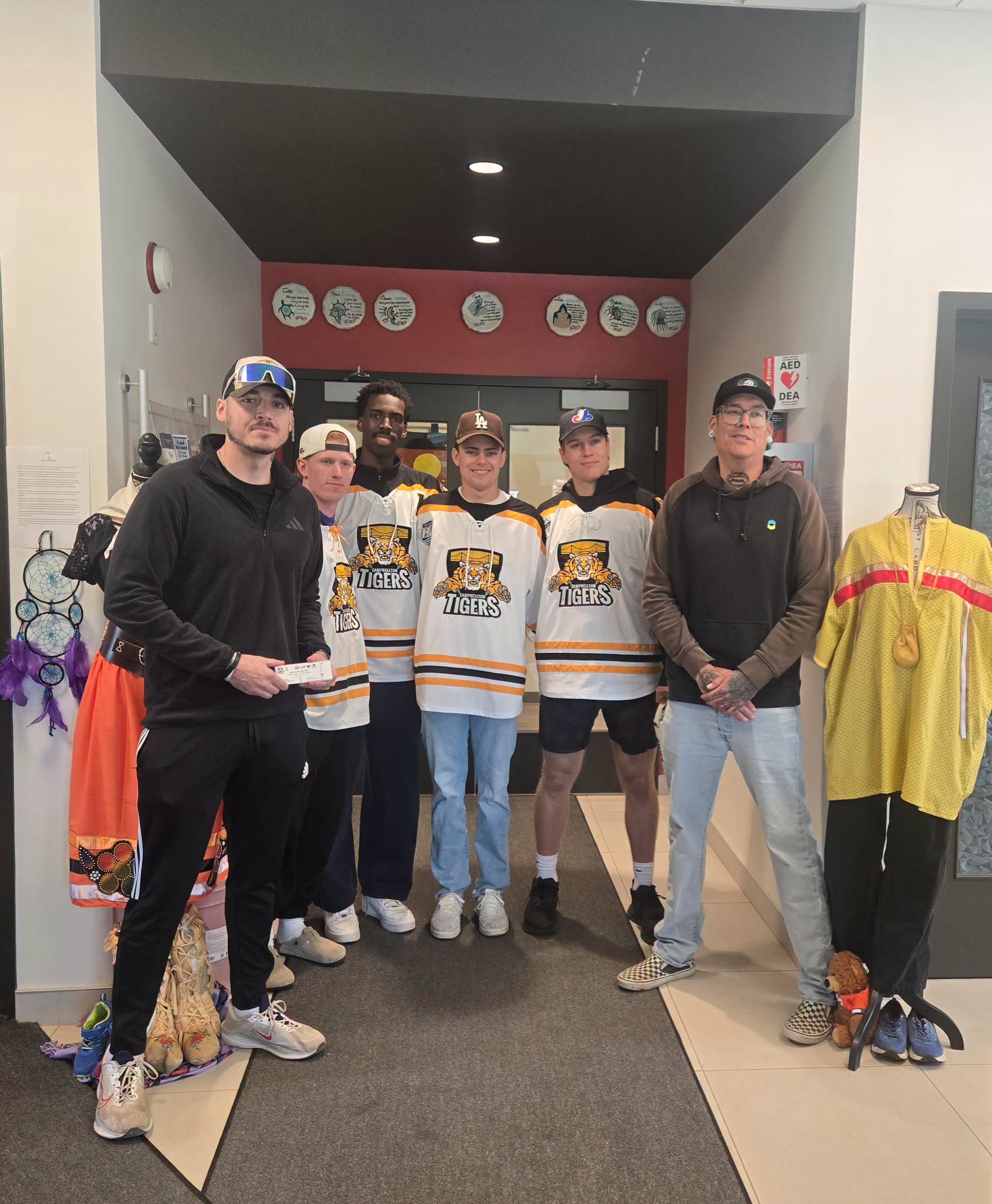
Alex Isaac and Dylan Dedam are the new Cultural Educators/ Male Mentors with Families First at the Listuguj Community Social Services Directorate. They aim to share and support boys and teens, ages eight to fifteen, in their Rez D.A.W.G.S. program. D.A.W.G.S. stands for Developing Awareness, Wisdom, Growth, and Strength. Aiming for once a week the group meets to explore on the land learning, different activities, talking circles, and cultural teachings.

Giving the boys a consistent and safe space to share positivity and find identity and a sense of belonging that they can sometimes lack. At first, the group discussed rules, and while Isaac and Dedam had their own, the group added to the list together. Some of the rules the youth had come up with were “always be respectful, don’t be afraid to be yourself, and no man gets left behind.” As the program is just beginning, there’s still plenty of space for growth and learning to do along the way, but with a focus on always supporting the youth.

“We would like to extend a sincere thank you to Mike O’Toole, Todd Williams, and the entire Campbellton Tigers organization for their donation of tickets to our program in support of helping us give our youth all of the opportunities that we can to enjoy positive experiences in their lives. The Campbellton Tigers and Listuguj Rez D.A.W.G.S. will be working in collaboration on future ideas to keep bringing new pathways to life for our youth.”

By: Ivy Grenier