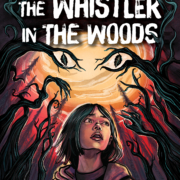
The Whistler in the Woods

“Dani’s lived her whole life in Salmon River First Nation. All the rez kids know there’s one rule to follow: never go into the woods at night—or the Whistler will get you. When Dani brings home an old arrowhead she finds in the woods, she accidentally invites the legend into her life in a terrifyingly real way. Soon, a crying ghost starts haunting Dani’s bedroom, and only her best friend Sam believes her. Dani has never used a spirit board before, but she and Sam are determined to talk to the ghost girl. Is she in danger? What does she want from Dani? Or are the answers hidden deep in the woods, where the Whistler waits after dark?” From Jodie Callaghan’s newest book, The Whistler in the Woods. 

Jodie (Barnaby) Callaghan has always been a lover of horror novels and the supernatural. With a love for reading and writing, Callaghan began writing short stories when she was just eight years old. Along the way, she had several supportive mentors who uplifted her by helping her find her voice, encouraging her to read, and sharing her stories with the class. Since then, she has been nonstop learning, from being a student to a journalist, a teacher, and now a program developer at  Elawsimgewei Gina’muo’guom. 

While living in Scotland, Callaghan was inspired by haunted tours around the city. She viewed sites where some of her favorite authors had been inspired, hoping for a story to emerge. When a tour guide warned the group not to bring home any items from the site, out of fear of bringing a ghost home with them, everything clicked. This warning sparked instant ideas for Callaghan that she couldn’t get out of her head for years. It soon inspired what would become The Whistler in the Woods.  

When pitching the book, Callaghan thought of a Mi’kmaq-inspired Goosebumps, inspired by the books she read as a kid from R.L. Stine. Drawing from her lived experiences, Callaghan uses parts of Listuguj to set the scene of her book. “I think the characters, the two main girls, Dani and Sam, are really me and my friends when we were that age. Not exactly, but pieces of us. The grandmother character in the book is very heavily modeled after my grandmother, who had passed. I even gave her the same name as my grandmother as a tribute.” Explain Callaghan. “Of course, the community itself, Salmon River, that’s obviously what our river is known for. I felt when I was writing the book like I was picturing the characters here. I changed names of things and location names are changed. I moved some things around, but ultimately it is heavily inspired by our community. The people that I grew up with and the people that I know.” 

Callaghan is quickly becoming a prominent voice as an Indigenous author. Her previous children’s book, The Train, jump-started her love for writing books. Callaghan’s writing process takes on different forms, from thinking about the world within the book to the number of scares needed, to always taking notes of any ideas she has. “ I’m an outliner. And I think that I’ve had to teach myself how to write. To sit back and think about pace. It’s a horror novel, so you need to have scary scenes.  Where are they fitting in? We’ve had three chapters, no scares. We need to work a scare in.  And I think a lot of that came from teaching English for so many years.  And really dissecting literature and dissecting stories.” 

This won’t be the last we see from the town of Salmon River, as Callaghan confirmed a series is in the works. The Salmon River Shivers Series will continue to expand the town’s supernatural entities and lore. “I‘d like to explore the land in the books and deepen the lore of the area and find out why all this is happening. And why all of a sudden this is happening to the community.”  

You can now preorder a copy of The Whistler in the Woods from Second Story Press, Amazon, with the book’s official release on March 9th, 2027.  

By Ivy Grenier
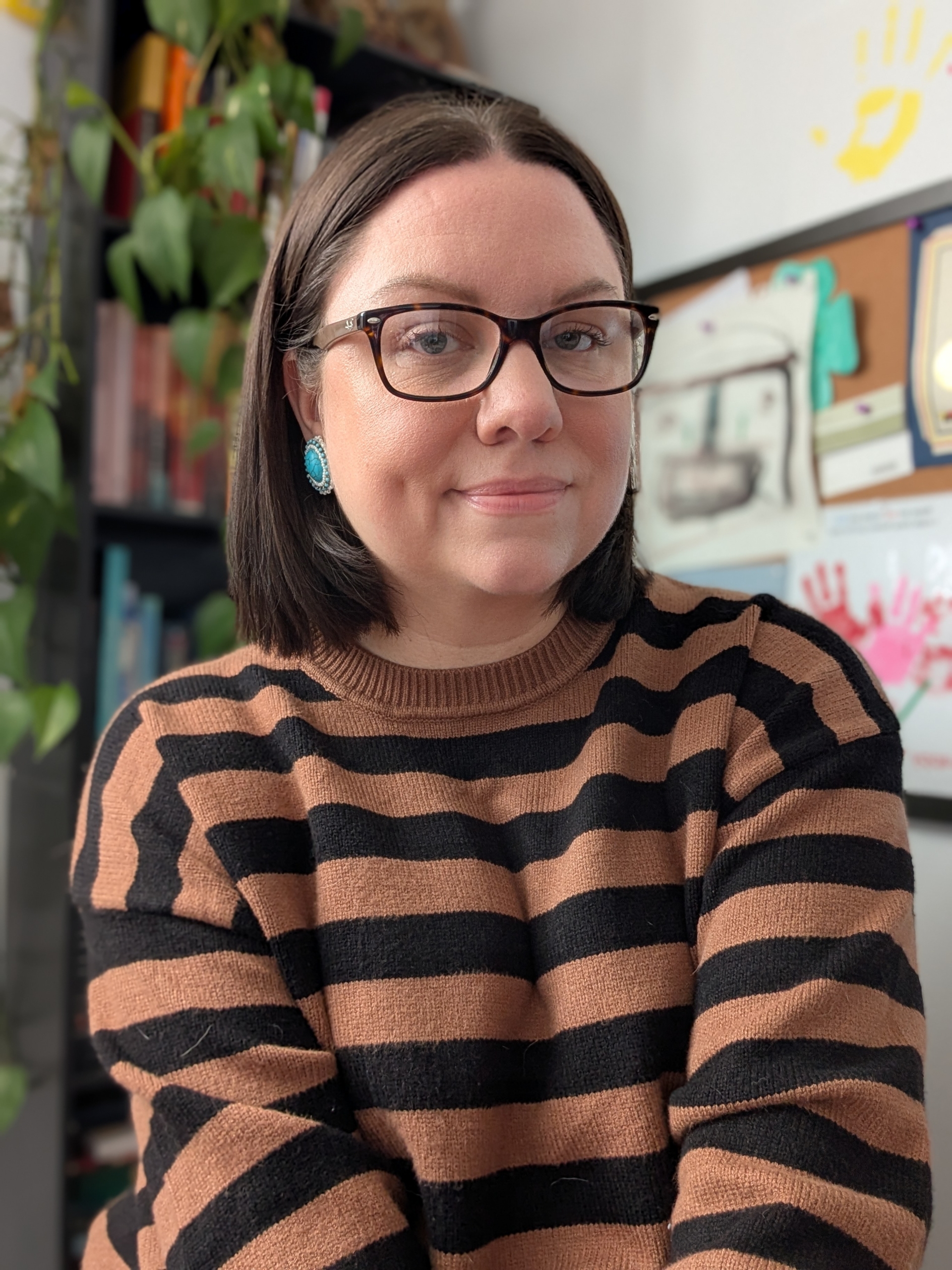
 

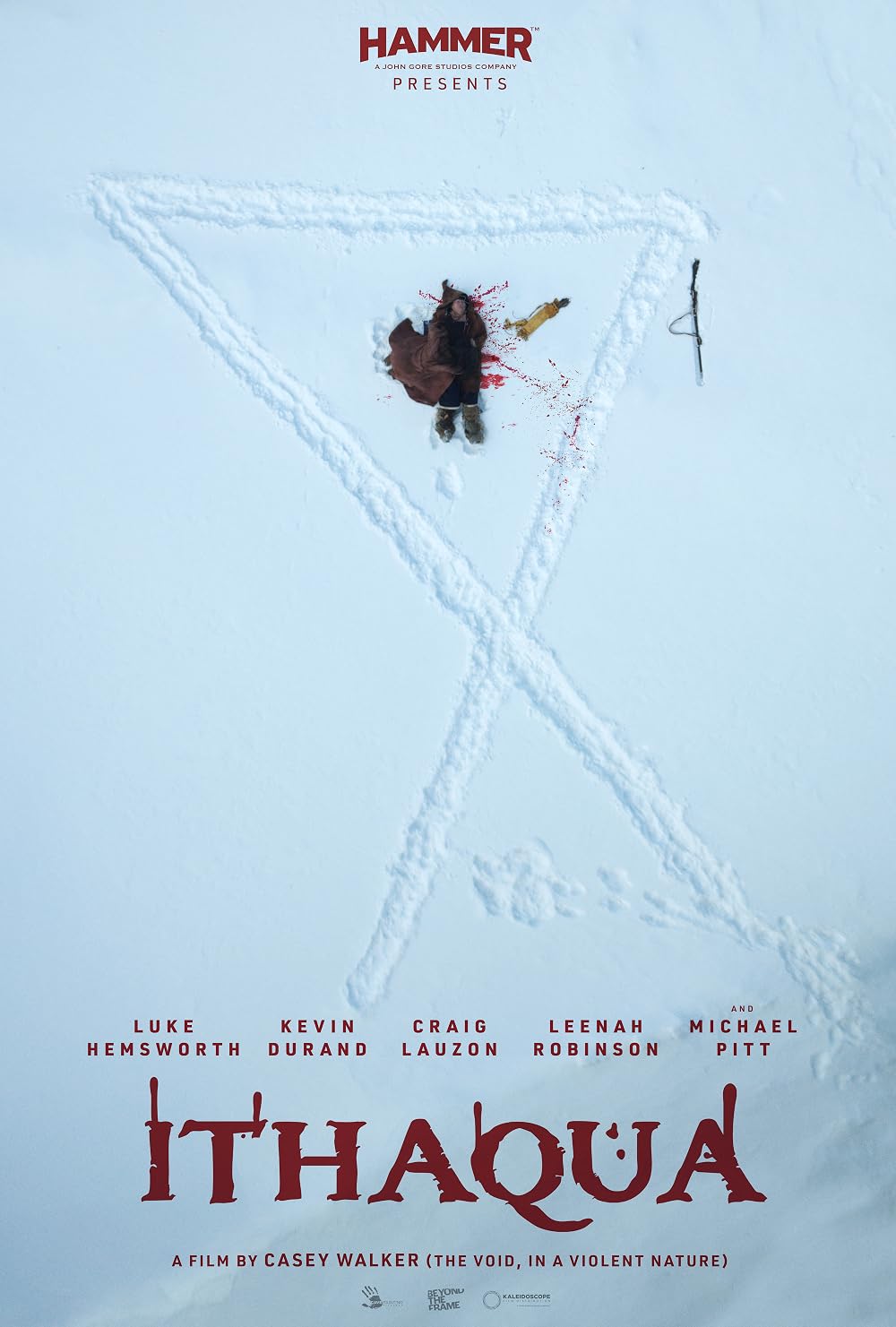
ITHAQUA: Peter Vicaire’s Decade-Long Journey

“ITHAQUA is a period horror movie. In 1821, during the decline of the fur trade, an American mercenary struggles to unite the frozen survivors of a famine-stricken outpost plagued by a dark force that leaves its victims with an insatiable hunger.” 

Peter Vicaire takes on the horror genre with the newest film, ITHAQUA. Taking on the roles of co-writer and producer on the latest film, first had its premiere at Fright Fest in London, England, in August. What started as a project in 2014, became an over ten-year-long journey to begin filming, has now been taken around the world. From France to Spain, to Vancouver, and on its way to Finland and the Bahamas, ITHAQUA has been well received globally, bringing thoughts of a future sequel.  

Vicaire shares how ITHAQUA came to be. 

“Pascal Trottier, my (sometimes) writing partner, and I had written a different period horror film called WARPATHS (1600s fur trappers hunted by giants of Iroquois mythology) but with a much larger budget in mind. We had sent that script to a producer in Toronto who liked it but thought the budget was too high. However, he knew Casey Walker, a director/producer out of Toronto, was looking for a writer to rewrite his wendigo script, so we connected that way and were brought on board the project. 

Casey’s story was based on the Ojibwe wendigo myth, a cannibalistic beast that dwells in the icy north. We Mi’gmaq have our own version of the wendigo called the Jenu. There have been several wendigo movies out there already, so for ITHAQUA we were looking for a fresh twist. We did this by incorporating the mythos of pulp-horror writer H.P. Lovecraft into the story, melding the two.”  

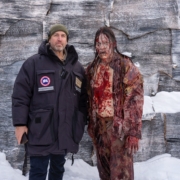
Vicaire spent the entire twenty-seven filming days on set in Thunder Bay, Ontario, in January of last year. Filming was predominantly done outside and at night, facing sometimes up to negative forty-five-degree temperatures. “Potentially dangerous? Yeah. Still super fun? Yeah. When you see the movie, you’ll see this isn’t some Hollywood CGI cold; it’s the real deal,” stated Vicaire.  

While taking on the producing role on set, Vicaire ensured that Indigenous voices were represented fairly, ensuring accuracy and respect for the culture. The film dialogue includes English, French, and Ojibwe; much care and effort was put into accurate pronunciations. “We had speakers record dialogue for the actors to reference and use. We also had big poster boards with phonetic spellings behind the camera while shooting incase they needed a little help remembering. We also sent the script to an Ojibwe academic professor to see if we were on the right track on how we presented his people.” Vicaire shows great care for not only the writing aspects but also Indigenous representation in the film.  

Vicaire has a large library of available scripts. “Other than the ITHAQUA sequel, I’m most excited about the last script I wrote, THE STUMP WITCH. It’s a Mi’gmaw horror film, based on our own skite’gmuj – spirit. It flips the script on the old “Indian burial ground” cliché because the burial ground is on the reserve and the people being haunted are Mi’gmaw. When a young Mi’gmaw woman moves from the city to her reserve for the first time, a vengeful spirit terrorizes her family when they can’t communicate in Mi’gmaw.” 

The distributor of the film currently determines where the film gets played. Vicaire hopes to bring it to North Shore Cinema in Campbellton for the community. “I just hope people have a good time, appreciate the build-up, tension, scares and the beautiful scenery we were able to capture. If it leads them to digging deeper into the wendigo (Jenu) creature myths and perhaps even the literature of the H.P. Lovecraft mythos, then even better!” 

By Ivy Grenier

DJ Pipnaqan

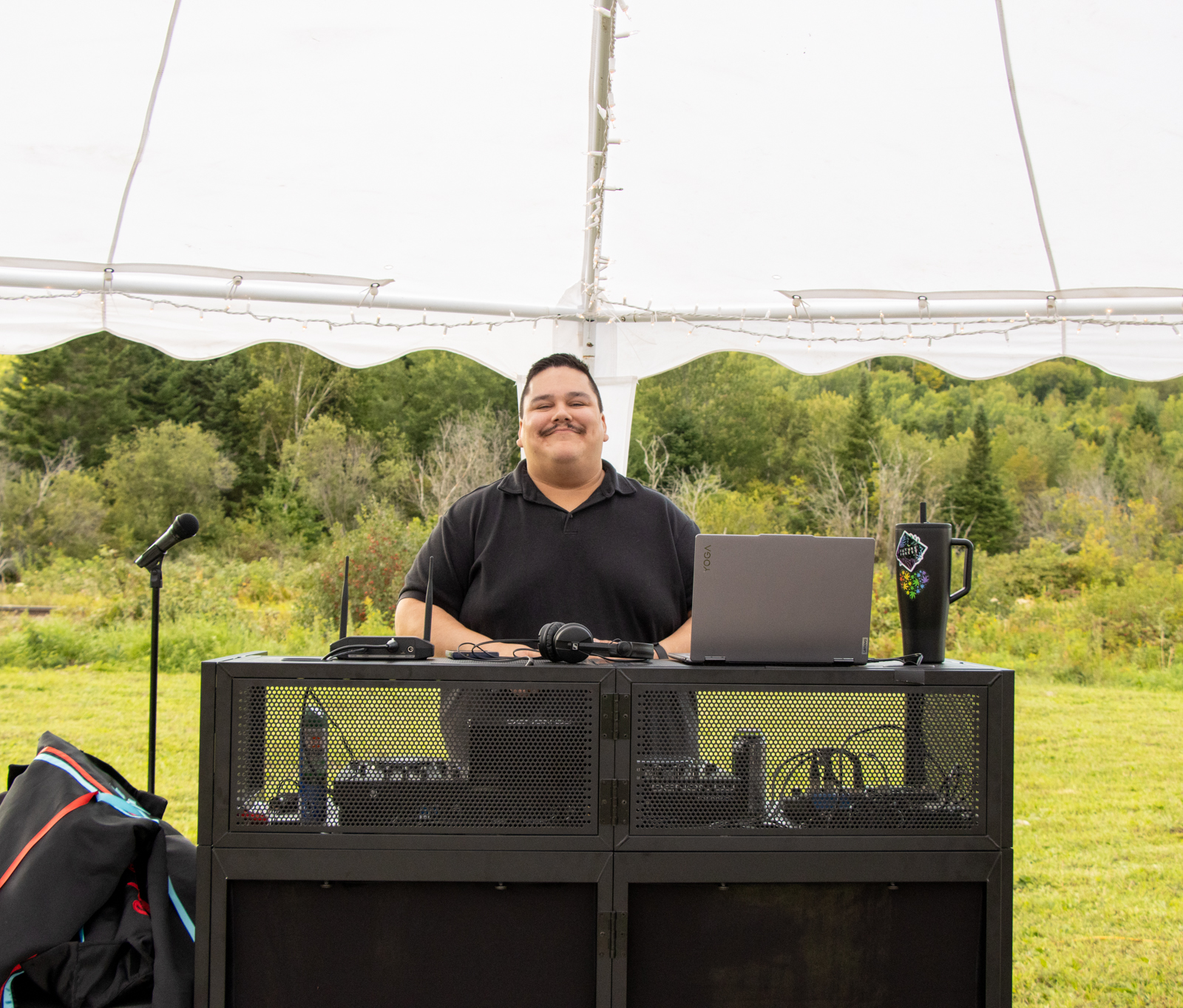
By day, Tyler Morrison is the Communications Coordinator for Mi’gmawei Mawio’mi Secretariat, but by night or on the weekends, you can catch him as DJ Pipnaqan at community events, weddings, and birthday parties. With a passion for music, tech, and community connection, Morrison has built a career reflecting creativity and engagement.  

Morrison pursued Digital Video Production at Durham College in Oshawa, Ontario. The program not only focused on video production, but also on audio engineering, photography, and small business management. “The skills translated directly into both professional and entrepreneurial environments,” he explains. “It wasn’t just learning how to create content. It was learning discipline, project management, and how to operate in a professional setting.” 

When COVID struck, and Morrison was stuck inside, he kept returning to his love for house music. Watching other creators stream their DJ sets from home, or watching playlist set compilations, became a highlight in a difficult time. Morrison had rented some equipment for his own wedding to play music and knew he wanted to continue. He quickly started building up his equipment and practicing. Morrison came up with the name “Pipnaqan” meaning bread in Mi’gmaq, the day of an event, going over ideas but never landing on one. Until his wife brought out fresh loaves of bread from the oven and he knew instantly. “I thought back in 2021 being inside all the time; there was no way for connecting at that time and juxtaposed to just this year. The last month or two, where you have social settings, you have people dancing together, laughing together, enjoying very special times.” 

Morrison draws musical inspiration from the people around him. He got his love of the classics from his parents, a new appreciation for country from his wife, and from tuning in to CHRQ’s Friday night country radio show. Morrison is always finding new sounds and music to incorporate into his work. When booked for an event, Morrison always takes the necessary steps to get to know what type of crowd will be attending. Attempting to mix modern hits with nostalgic throwbacks. For anniversaries or weddings, he will often draw from the time the couple met and builds mixes of that time while including their favorite songs. “I love seeing people have some of the best times of their lives. For some families, weddings are one of the few times everyone gathers together. If I can help make that night special, that’s enough for me.” In the moment, you can find Morrison gauging the crowd’s reaction to what he’s playing while queuing the next songs and seamlessly blending the two, strategically curating as the event flows. “It’s all about reading the room,” he says. “Music changes throughout the night, and your job is to evolve with the crowd.” 

If you need good music and great vibes for an event, you can contact “Pipnaqan” on Facebook to book.  

By Ivy Grenier 
 

Wela’lin

2026’s Fall Lobster Fisheries Distribution has officially come to an end! Thank you to the hard-working fishers who worked tirelessly to provide the community with this lobster.

We’d also like to thank the dedicated Scientific Research Team at Natural Resources for distributing lobster to the community at the Natural Resources garage or delivering to Elders and those with disabilities.

Scientific Research Team from Left to Right:
Kheya Isaac, Pam Isaac, Denise Barnaby, Sylvia Barnaby, Lisa Metallic and Dustin Barnaby.
Missing from Photo:
James Beardy, Chase Metallic, Christine Sorbey and Dora Barnaby.

Wela’lieg!

Wigmaq Centered Circle

You Don’t Have to Figure It All Out Alone 

Wigmaq Centered Circle – Support begins with a conversation 

Sometimes life feels overwhelming. You may be worried about someone you love, facing challenges at home, or unsure where to turn. Reaching out can feel difficult, especially when you don’t know what to expect. 

Wigmaq Centered Circle (WCC), within the Listuguj Community Social Services Directorate, offers a voluntary space to be heard, recognize your strengths, and explore a way forward with people you trust. 

Your voice guides the conversation. We work with you to identify your concerns, decide who you would like involved, and bring together supports to create a practical plan that reflects your needs and priorities. Your circle may include family, friends, Elders, Knowledge Keepers, or service providers with your involvement and consent. 

Whether you are navigating parenting, family relationships, mental health or substance use concerns, supporting a neurodivergent loved one, or caring for an adult or Elder, a circle can help you explore options and share responsibilities. 

You do not need an open youth protection file to reach out, and you do not have to wait until a concern becomes a crisis. You can simply start by asking questions. 

Through cultural workshops and community activities ( ex: Community Cook Book), WCC also creates opportunities to connect, share teachings, and strengthen the relationships that help us care for one another. 

Wondering whether WCC could help you or someone you care about?  Contact Lee Barnaby or Sherise Swasson at 418-788-3039 to learn more. 

You bring your story, your strengths, and your voice. Together we can explore and plan the next steps. 

By Wigmaq Centred Circle 

REZ D.A.W.G.S

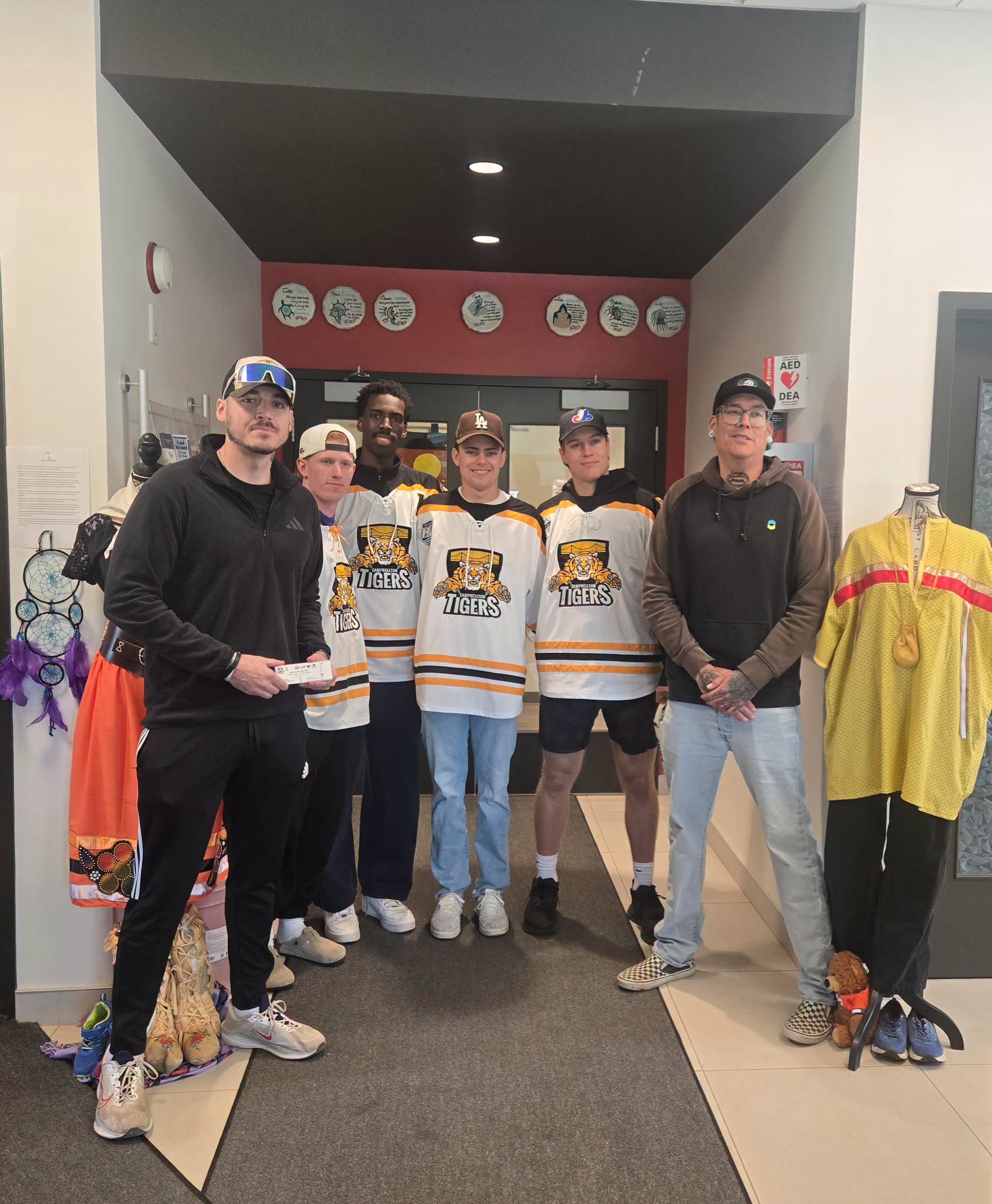
Alex Isaac and Dylan Dedam are the new Cultural Educators/ Male Mentors with Families First at the Listuguj Community Social Services Directorate. They aim to share and support boys and teens, ages eight to fifteen, in their Rez D.A.W.G.S. program. D.A.W.G.S. stands for Developing Awareness, Wisdom, Growth, and Strength. Aiming for once a week the group meets to explore on the land learning, different activities, talking circles, and cultural teachings.

Giving the boys a consistent and safe space to share positivity and find identity and a sense of belonging that they can sometimes lack. At first, the group discussed rules, and while Isaac and Dedam had their own, the group added to the list together. Some of the rules the youth had come up with were “always be respectful, don’t be afraid to be yourself, and no man gets left behind.” As the program is just beginning, there’s still plenty of space for growth and learning to do along the way, but with a focus on always supporting the youth.

“We would like to extend a sincere thank you to Mike O’Toole, Todd Williams, and the entire Campbellton Tigers organization for their donation of tickets to our program in support of helping us give our youth all of the opportunities that we can to enjoy positive experiences in their lives. The Campbellton Tigers and Listuguj Rez D.A.W.G.S. will be working in collaboration on future ideas to keep bringing new pathways to life for our youth.”

By: Ivy Grenier

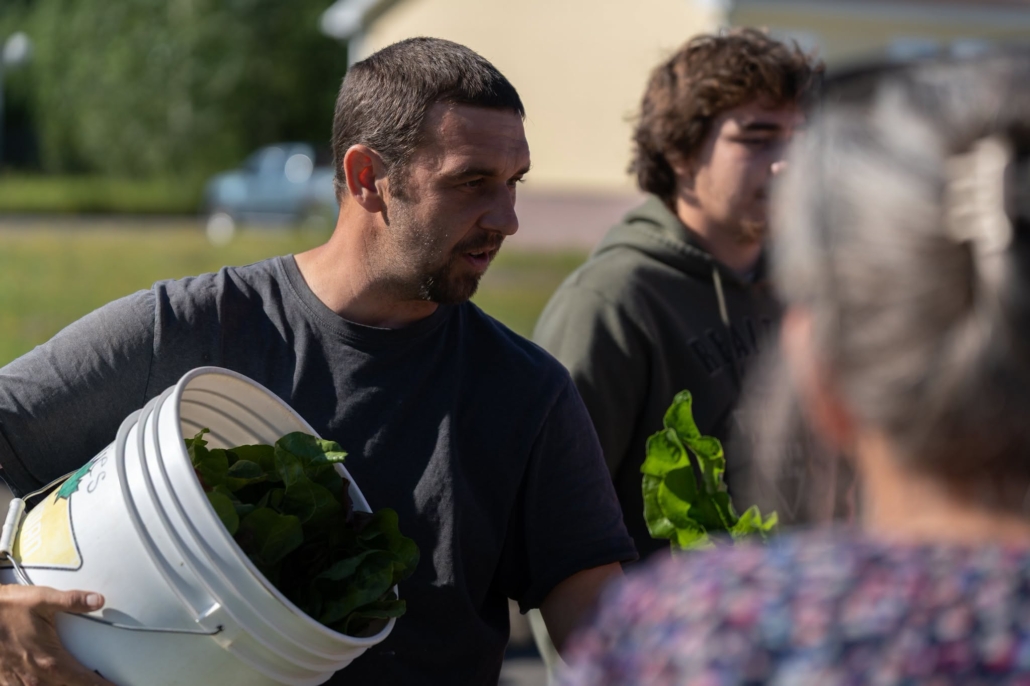
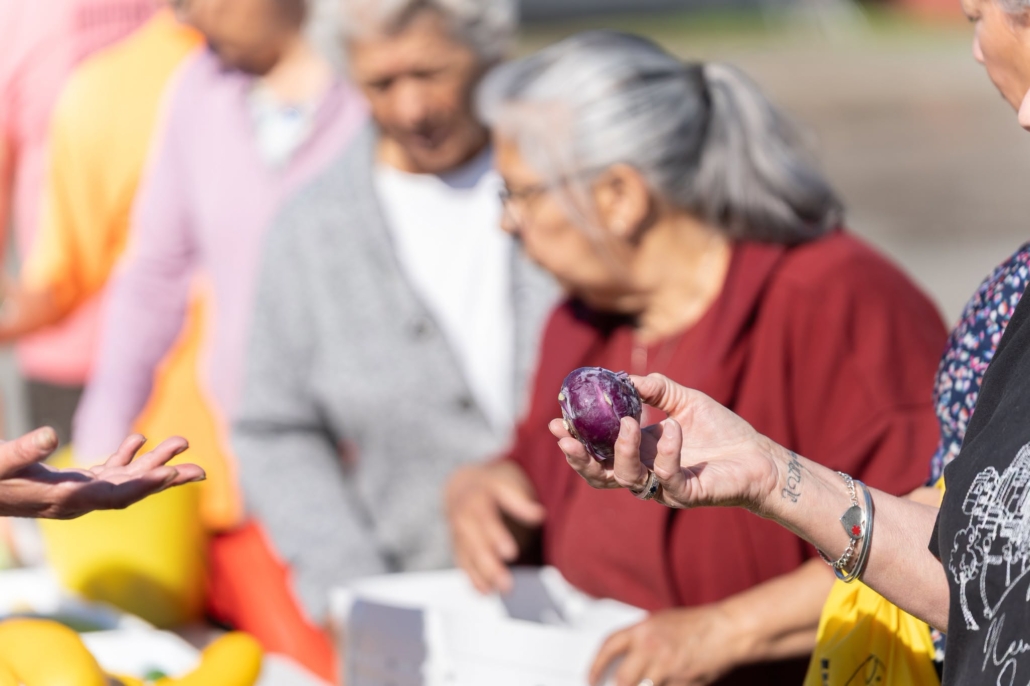
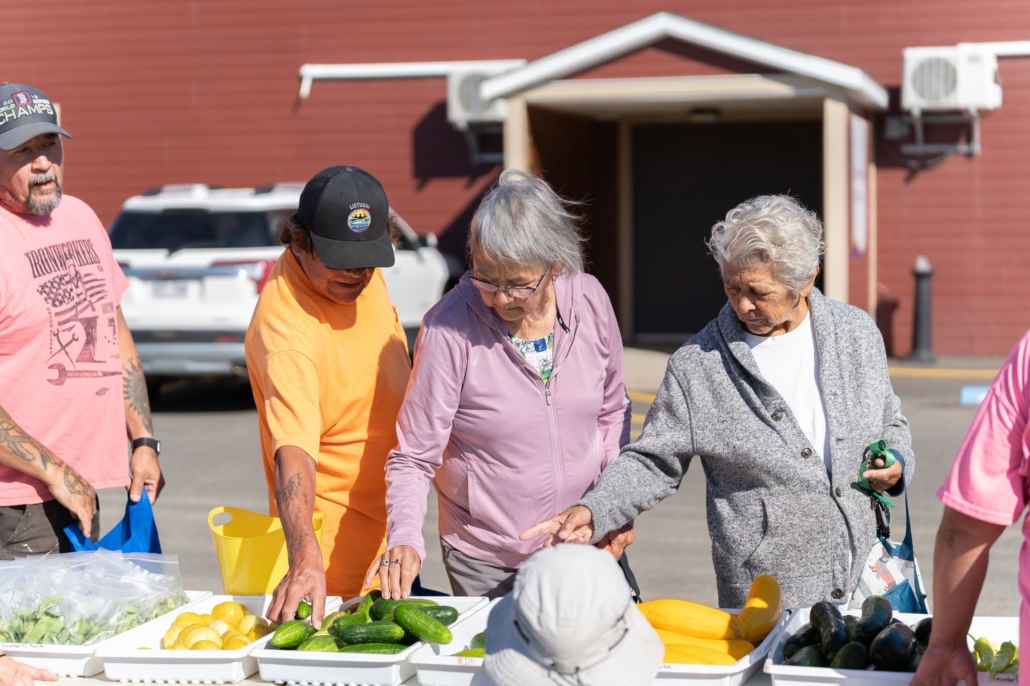
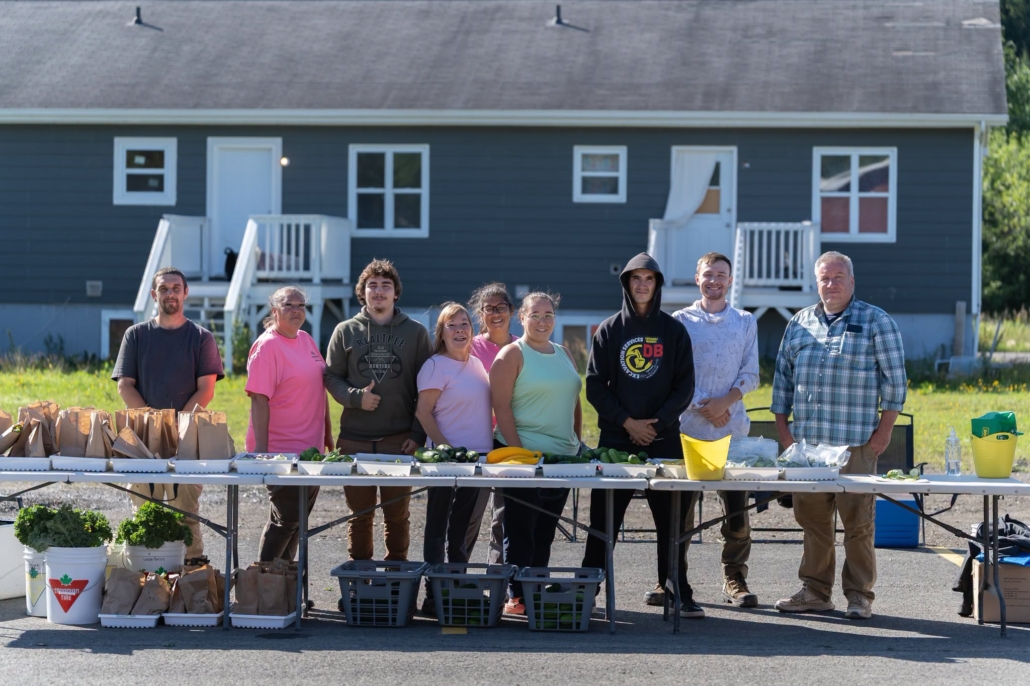
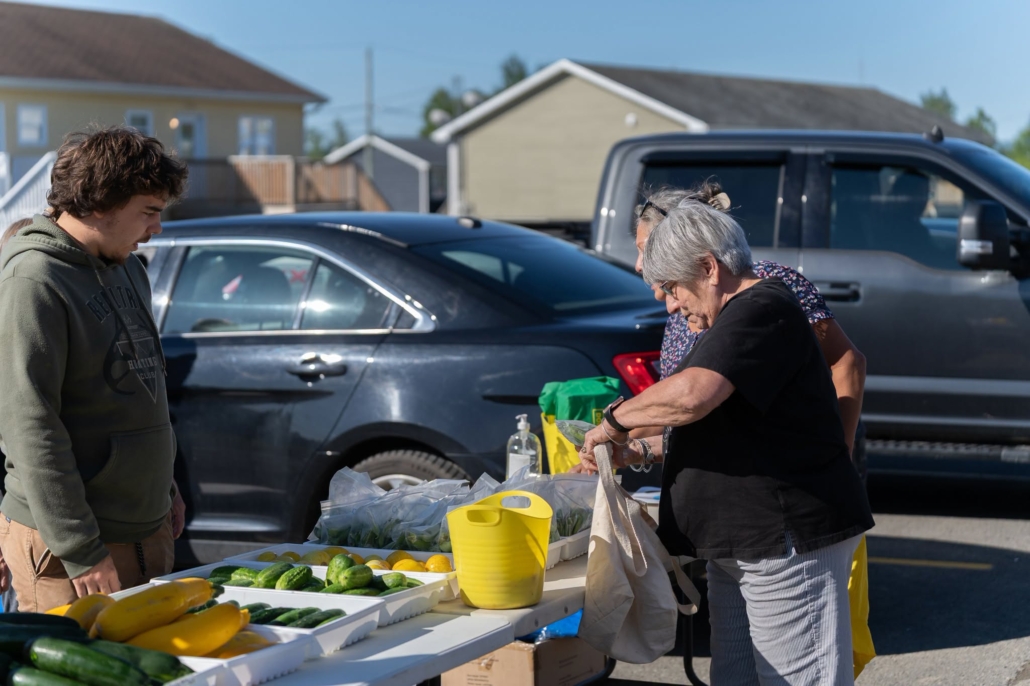
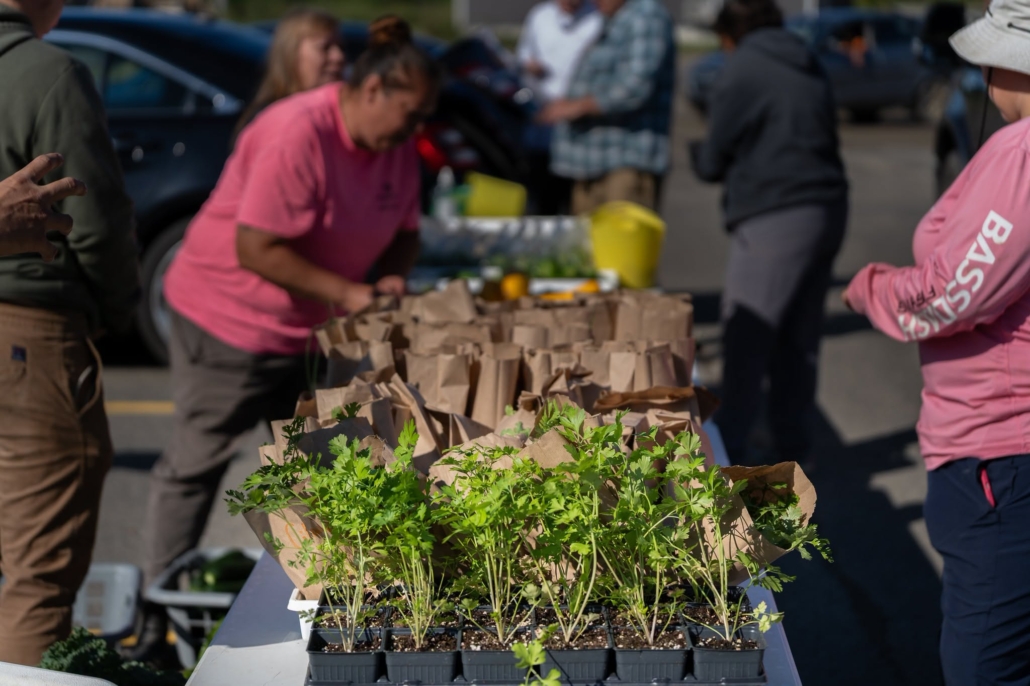
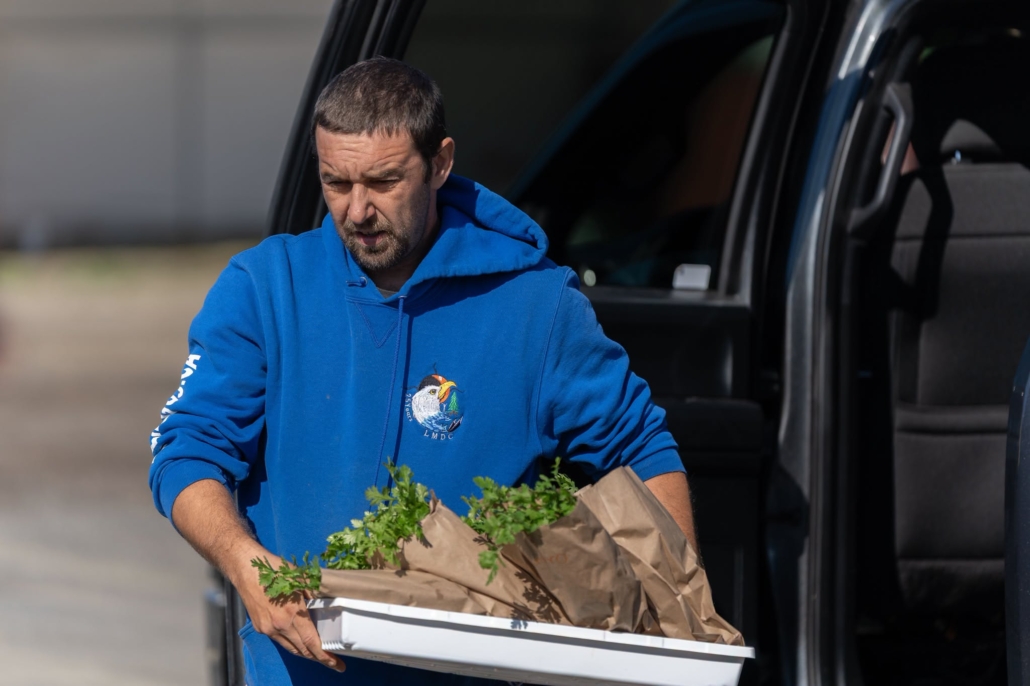
Thank you to Garden Staff

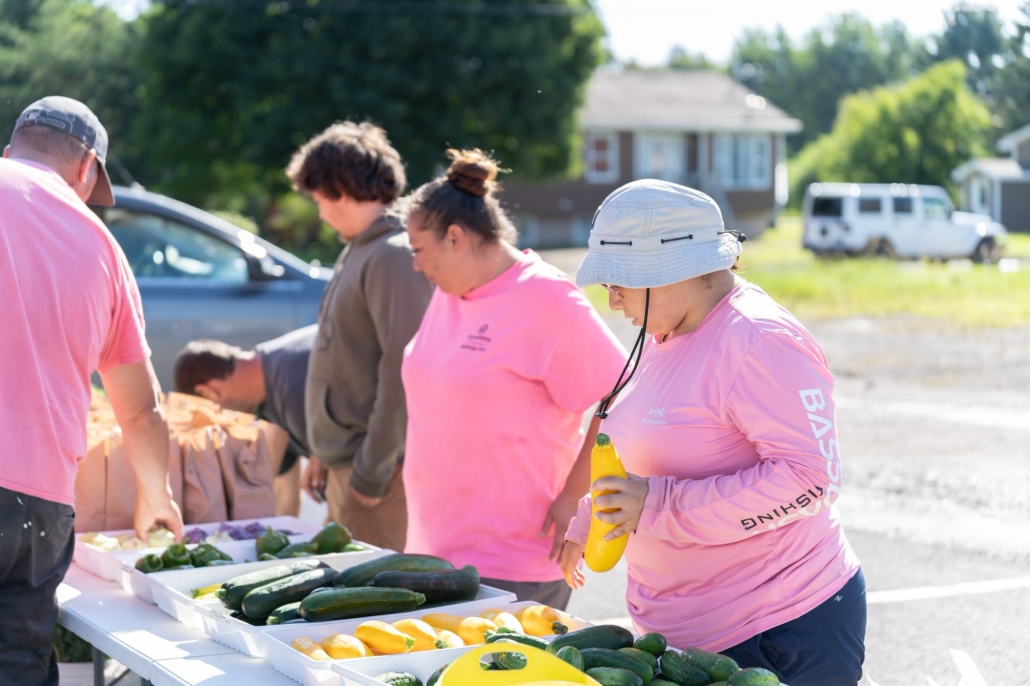
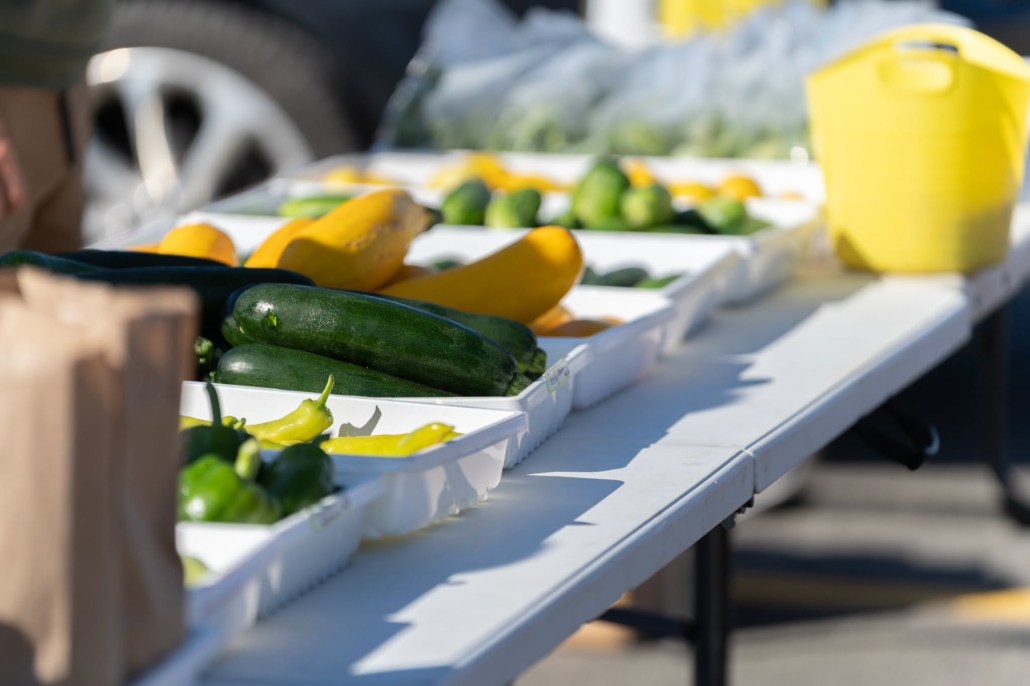
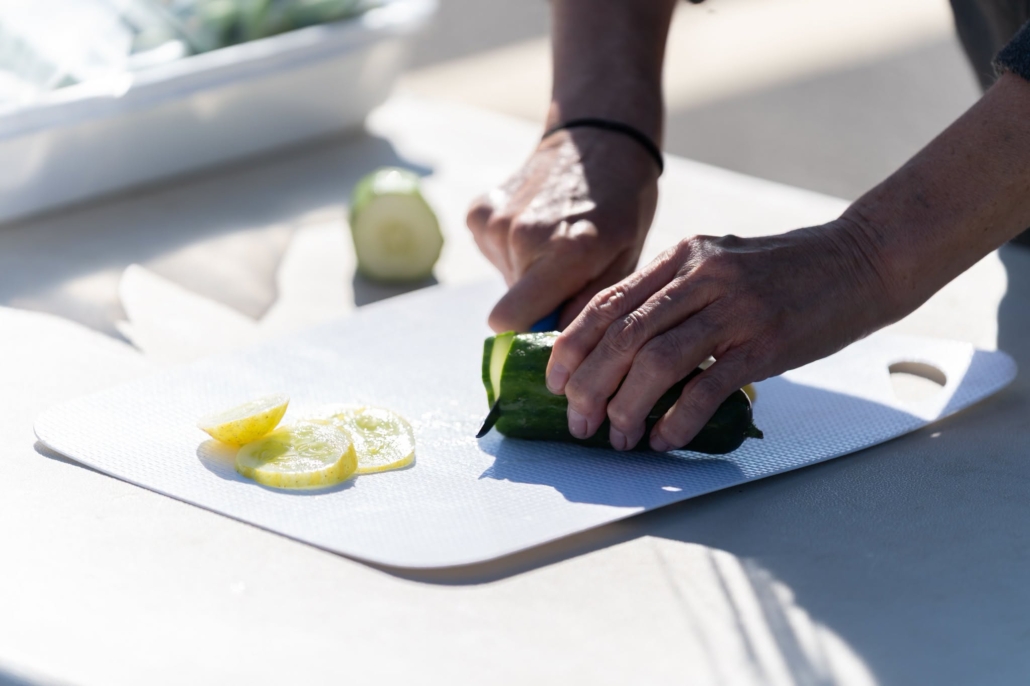
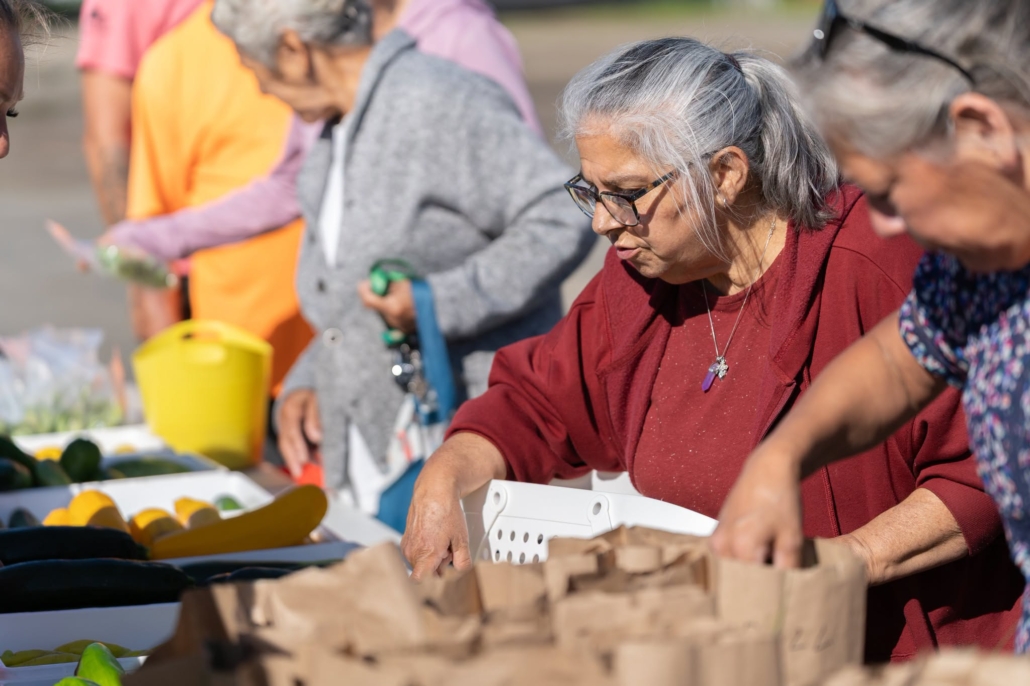
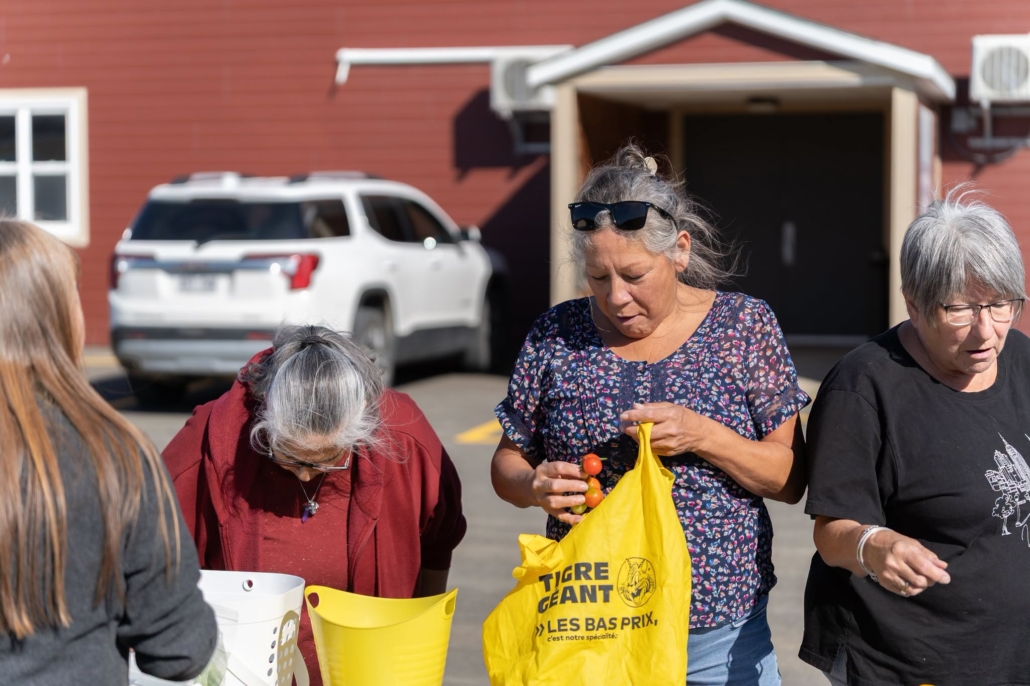
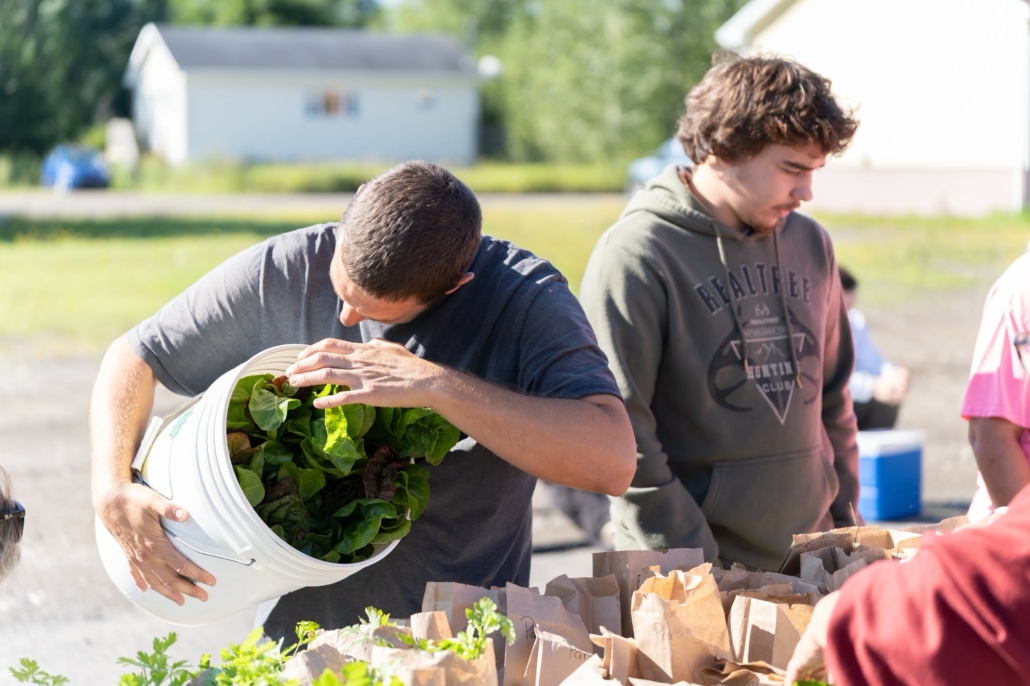
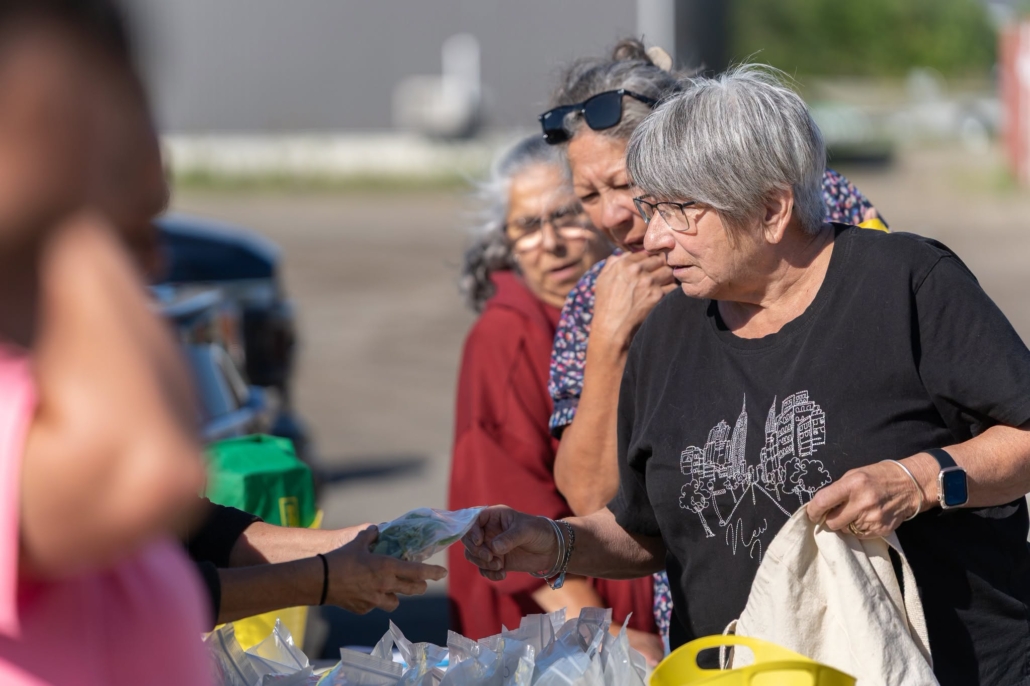
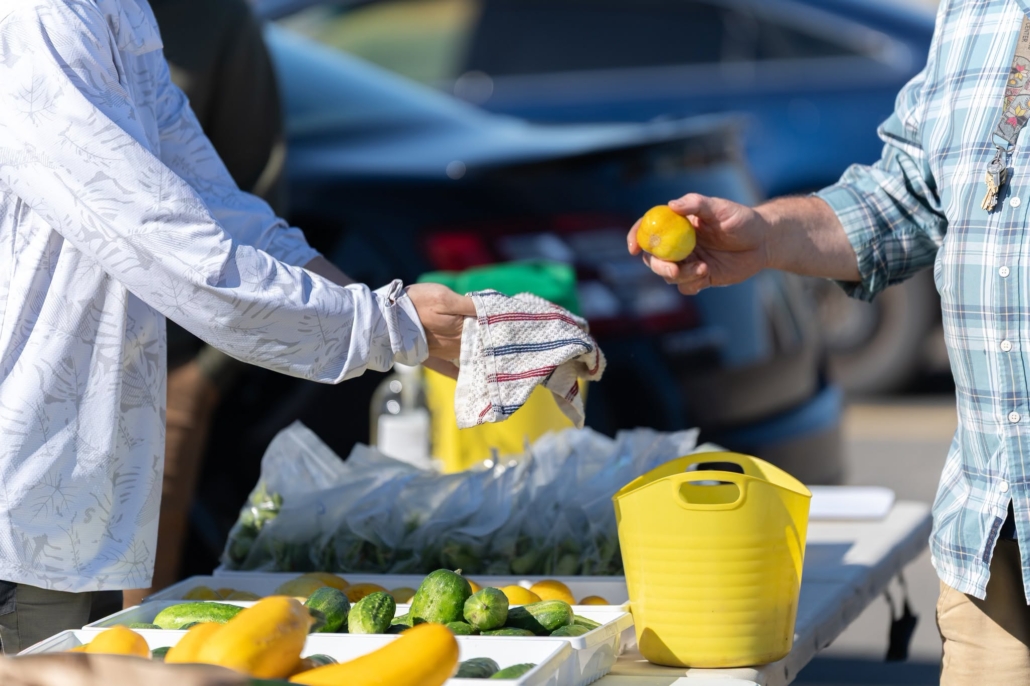
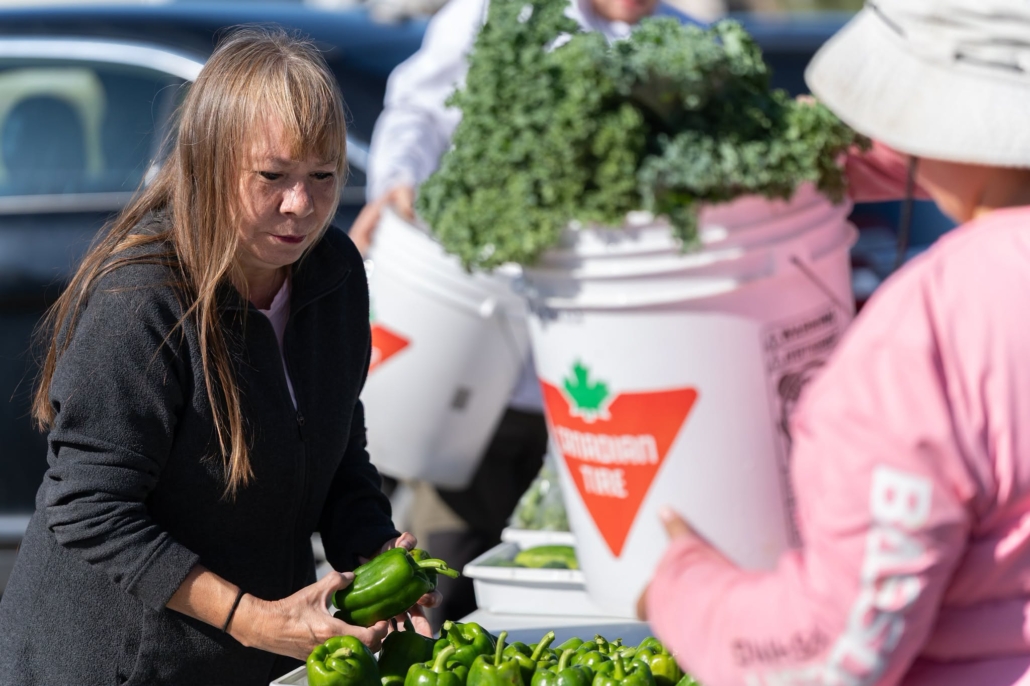
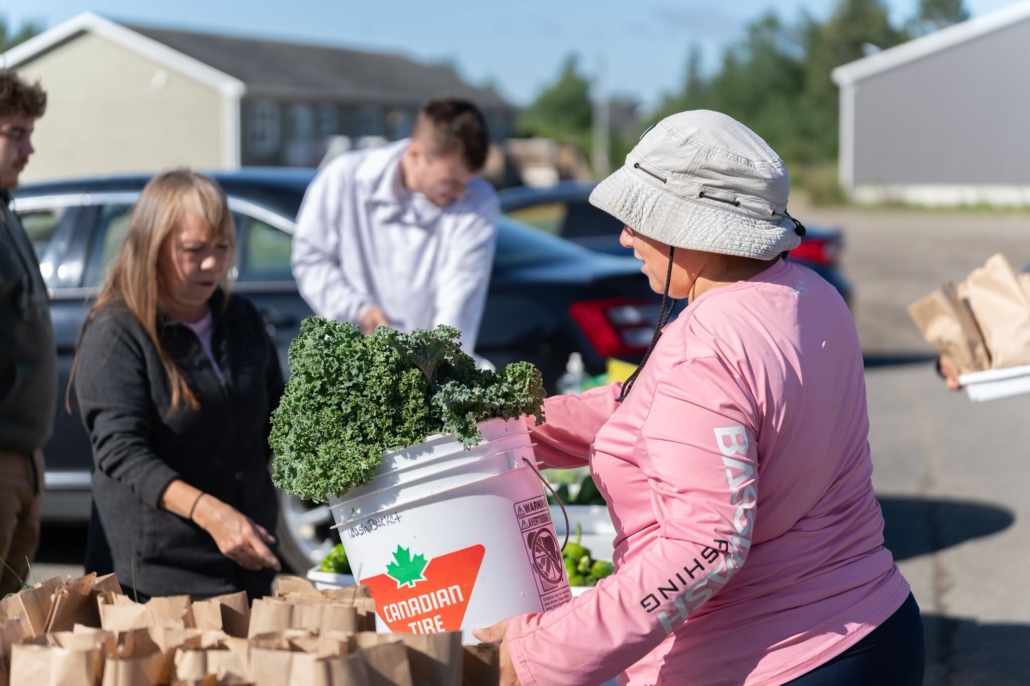
The Listuguj Mi’gmaq Government would like to thank our dedicated staff at the Listuguj Garden for their tremendous work in increasing the food sovereignty and healthy choices for our community. Through all different kinds of rugged weather our staff go above and beyond to ensure our community has access to fresh Listuguj produce! Your hard work does not go unnoticed!
LMG Garden Staff: -Sue Clement -Thomas Martin -Clorissa Mitchell -Jeremiah Clement -Kim Norton -Agatha Isaac -David Mitchell Jr. -Logan Jerome -Blake Clement

Community Safety Officers

The Listuguj Police Department (LPD) is working with the Listuguj Community Social Services Directorate (LCSSD) to bring in Community Safety Officers (CSO). “Community Safety Officers are civilian members of the community whose role is to assist with community safety, visibility, prevention, and other non-police related matters. Our Community Safety Officers work closely with the Listuguj Police Department and provide an additional safety presence throughout the community.”

CSOs will be on duty daily from 6:00 p.m. to 5:00 a.m. Their patrols will include playgrounds, construction sites, LMG buildings, Gospem, Sipu’g, and other assigned areas throughout the community. As part of their duties will include monitoring these areas and maintaining a safe and visible presence. They will work to prevent and report concerns such as theft, vandalism, unauthorized access, bullying, fighting, and other unsafe activities. CSOs will also monitor playgrounds, ensure that they are closed every evening at 9:00 p.m., and address situations involving intoxicated individuals or other activities that may pose a safety concern. Community Safety Officers will report any suspected criminal activity or incidents requiring police intervention to the Listuguj Police Department.

We would like to remind everyone that Community Safety Officers are not police officers and do not replace police services. For any police-related matter, criminal activity, emergency, or situation requiring police assistance, please continue to contact LPD directly.


Emergency – 911 or 418-788-2003

Non-Emergency – 418-788-2334

Anonymous tip line – 506-987-3654 or by email lpd.tips@listuguj.ca


The Listuguj Police Department welcomes the Community Safety Officers into their new roles and looks forward to working alongside them. Their added presence and support will help strengthen community safety and contribute to a safer environment for everyone in Listuguj.

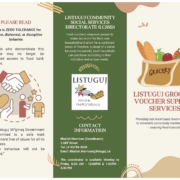
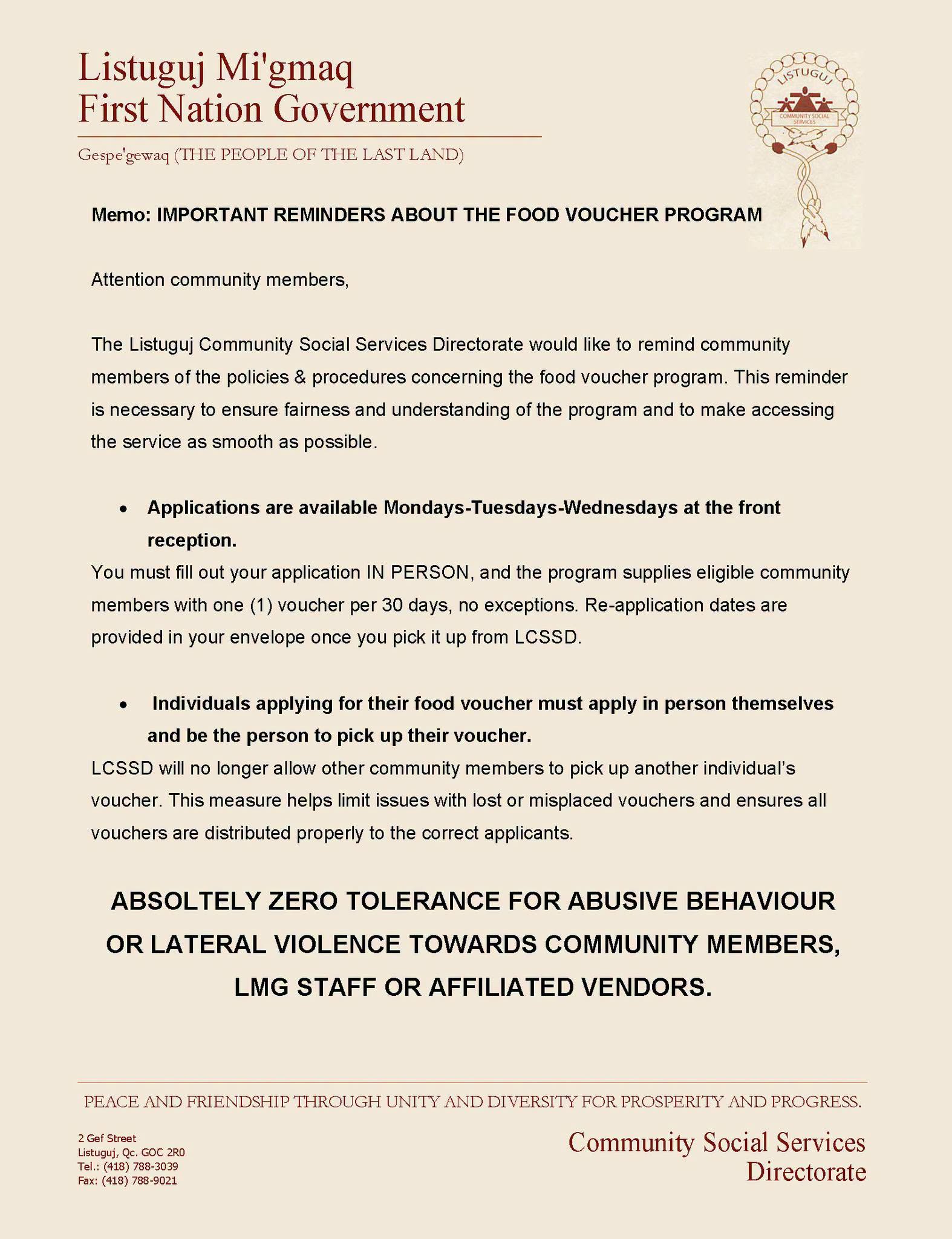
Listuguj Grocery Voucher Support Services

Listuguj Grocery Voucher Support Services
Providing last-resort basic food necessities to vulnerable community members in need, aiding in reducing food insecurity. Food vouchers empower people to make decisions for their own household and allow for a continued sense of freedom. Instead of a ration for every household, each household can purchase according to their individual and unique needs.
Eligibility for vouchers
1. You are on a low-income program
examples include Social Assistance (welfare) Employment Insurance (E.I), QPIP, Old Age Security Pension (OAS) Canadian Pension Plan (CPP), Seasonal Workers based on yearly income, Elders, or a student.

2. You are a registered Listuguj Mi’gmaq Fist Nation band member

3.You are over the age of 18 years old.

4.You must be physically present to complete the application intake and pick up the food voucher.

5.Applications must be filled out monthly to receive a grocery voucher.

6.One voucher per applicant every 30 days. No exception. Please feel free to determine your schedule for when it is best to use your voucher within 30 days of the voucher issue date.

Additional benefits can be added to your voucher for each claimed dependent. Each dependent must be listed in your welfare papers.

The application intake process will be available Monday through Wednesday. Vouchers will be processed on Thursday and distributed on Friday. Applications and distributions are located at Listuguj Community Social Services Directorate (LCSSD), 2 GEF Street.
All vouchers are redeemable only at IGA Extra, at 140 Roseberry Street, Campbellton, New Brunswick. You will be responsible for covering the balance if you spend more than the allotted amount. Under no circumstances will the voucher be redeemable for cash, gift cards, gas, alcohol, tobacco products, or lottery/scratch ticket items.


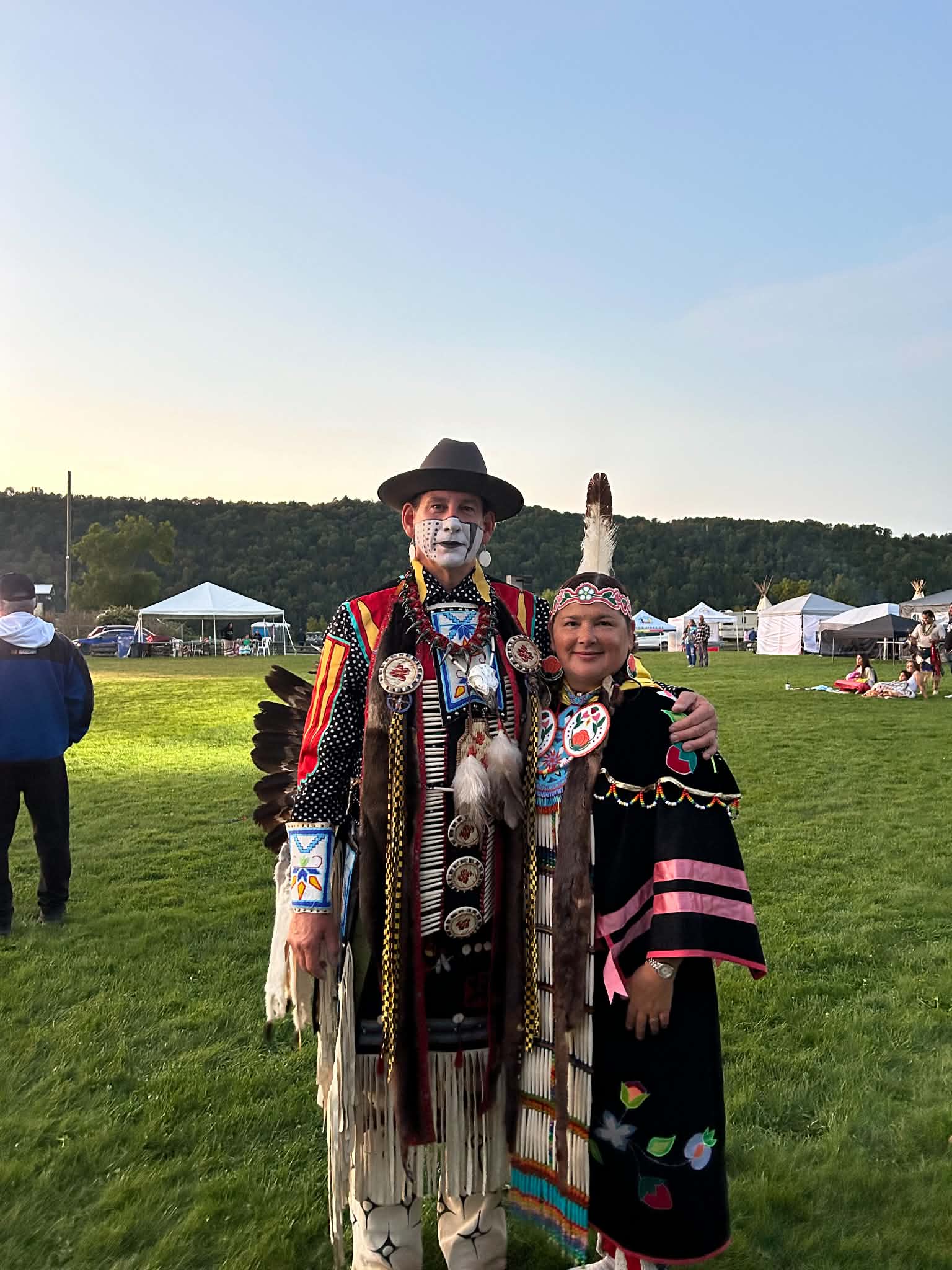
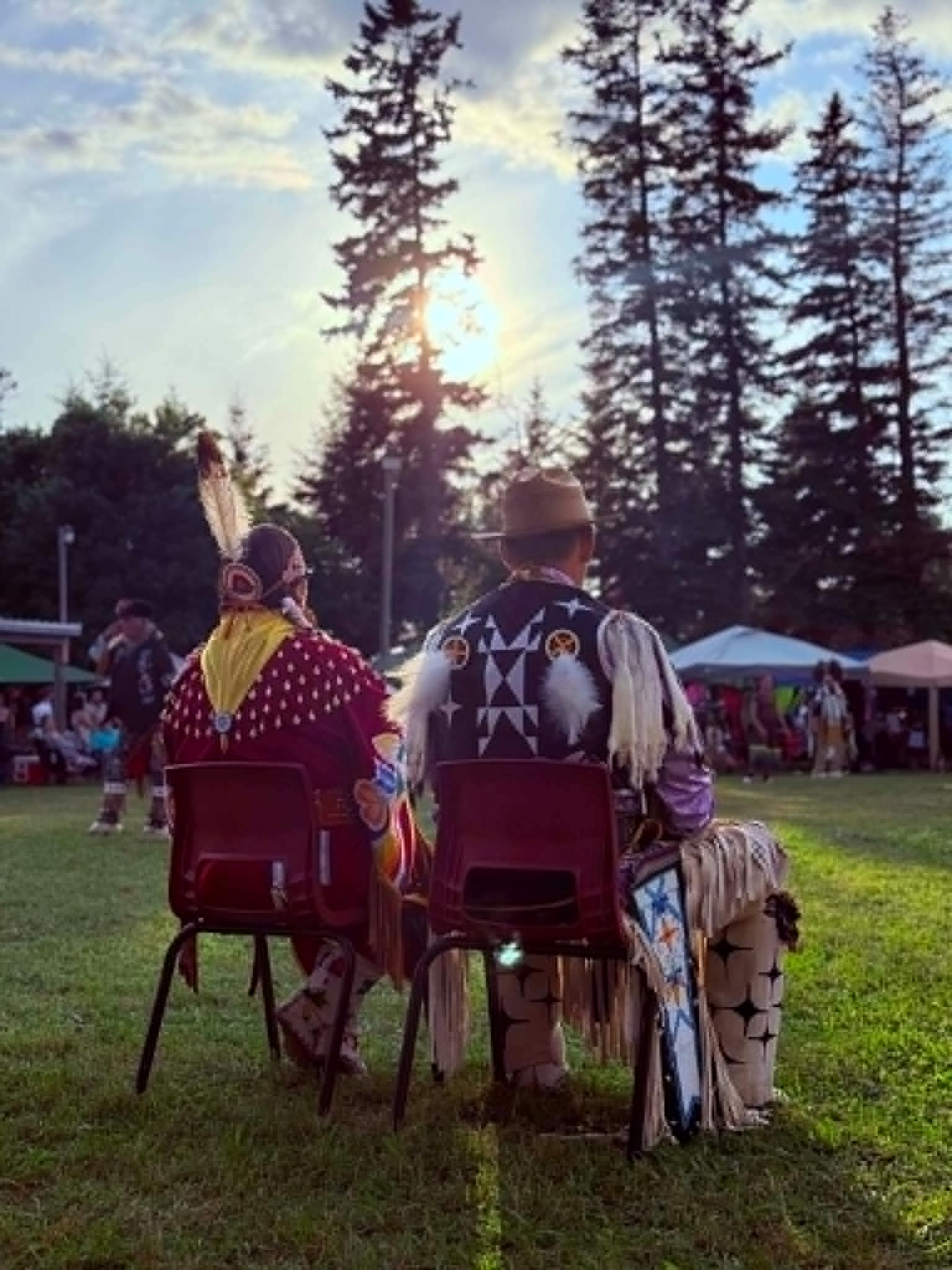
In The Circle Together: Bobbi Madahbee and Derek Barnaby, Golden Age Head Dancers

For Bobbi Madahbee and Derek Barnaby, dancing is more than a tradition. It is a lifelong journey of learning, sharing, and connecting with culture. This year, the couple took on the title of Golden Age Head Dancers together at Listuguj’s 34th Annual Powwow, marking another chapter in their decades of dancing.

Bobbbi Madahbee, originally from Aundeck Omni Kaning, First Nation has been a Women’s Traditional Dancer for the past twenty-nine years. As a child, she regularly attended powwows and would dance for fun, often following her cousin around the grounds. It was later, in her early twenties, when she entered the Miss Indian World Pageant that Mahdabee received her first full regalia and began dancing more seriously.

Through the guidance of her cousin and mentor, Dawn Madahbee, Bobbi learned the fundamentals of traditional dancing. “She not only taught me to dance, but she taught me about the teachings in dancing, the protocols. It’s not just dancing. There’s teachings that go along with it.” Throughout her dancing career, she has remained a Women’s Traditional dancer. Being asked to be head dancer of the Golden Age category is an honor she accepts with humility. “I was a little taken aback when I was asked to be Golden Age, not realizing how old you’re getting,” she said with a laugh. “But I’m very honored to accept that role. It’s a duty I take very seriously as a humble position in the powwow.”

Derek Barnaby from Listuguj has been a men’s Traditional Dancer for the past thirty-six years, beginning his journey when he was twenty-one. Over the years, he has learned from dancers and teachers throughout North America, including his first mentor, Irving Hill. Barnaby explored other styles of dance, including hoop dancing. His interest in hoop dancing lasted for several years, as he learned not only the movements but also the stories and teachings connected to the style of dance. Eventually, he returned to his true passion for Men’s Traditional dance and continued with it throughout his dancing career.

At fifty-five, Barnaby now finds himself among the longest-running dancers in the community. “Thirty-six years of dancing, and now you’re in a category where you’re with all these other men who have been dancing forever. I’ve never stopped. I’ve maintained it. I’ve always been interested in more stories and more history, just understanding every part about it.”
For Barnaby, becoming a Golden Age dancer is not simply about how long he has danced. It is about what comes with those years of experience: knowledge, responsibility, and the opportunity to help others. “I’m not an elder, but I have knowledge. The way I was taught was about protocol, about following the guidelines, making sure that you’re doing things
respectfully, and passing that knowledge on.” That responsibility for sharing knowledge is something both dancers take seriously, particularly when it comes to youth.

Madahbee believes sharing teachings is one of the ways traditions remain alive. Through her work in education, she has opportunities to share with the youth. “That’s how we still have our teachings—it’s all about sharing. That’s the way we keep it alive and keep the pride and share and hope to build youth pride and identity and become a part of the circle.

Barnaby acknowledges the importance of cultural revitalization. He speaks about the generations in which language, culture, traditions, values, and family structures were restricted or taken away. Over the past thirty-six years, his journey has involved re-learning ceremonies and traditional practices. “Now we’re starting to regrow it. You see it a lot with the younger generation that are picking up dance.” Barnaby shares that cultural knowledge should be shared freely with those who want to learn. “There’s no price tag on it. If someone really wants to do it, and they come over and ask me to share something, I’m more than happy and more than proud to share that experience.”
Being named Golden Age Head Dancers together makes this year’s powwow particularly meaningful. Barnaby shares his passion for this momentous occasion for their family: “It’s really awesome that we get to do this as a family. Our kids are here as well. It’s Bobbi’s first time actually being a head dancer. At a Golden Age, she’s gone through so many things, and I’ve gone through so many things. We’ve gone through so many things together for us to be here sharing that experience, being in front of the community, in front of our families and friends it’s incredible.” Madahbee adds, “It’s an honor. I’ve earned my stripes.”

Madahbee hopes their family’s example will encourage others to find their own place within the Powwow circle. “Another thing is to hopefully inspire others to want to come out, to join the circle, and to want to dance and share.”
For Bobbi and Derek, the Golden Age role represents more than the decades they spent dancing. It represents the knowledge gathered along the way, the people who taught them, the family they have built around the powwow, and the responsibility to ensure those teachings continue. As they step into this role, they do so not only as experienced dancers, but as teachers, parents, mentors, and members of the community, aiming to help carry traditions and teachings forward for future generations.


By: Ivy Grenier